Project 2 - Book Jackets
Brief -
In this project you will design covers for (or 'repackage') a series of classic children's literature. In addition to providing a suitable introduction to narrative within, your illustrative designs will address 2 requirements.
Aesthetic Cohesion
1. The books you can choose from have no relationship. They are not part of a narrative series, they are not written by the same author, they do not contain the same characters etc. Despite this, your designs must provide the disparate collection with an aesthetic cohesion. Further more, your outcomes should make it clear how other books might be brought into the collection. (Imagine you have been asked to provide a test sample, and if successful, you will win the contract to cover an entire collection of classics).
You are asked to demonstrate a treatment across a minimum of 3 titles, to include a full wrap (front & back cover + spine). You must include:
Title (cover & spine)
Author (cover & spine)
Synopsis (back cover)
barcode & price box (back cover)
You can add any other details that you believe lends your work believability.
Dimensions
20.1 x 13.7 x 2 cm
(spine widths vary from book to book, but in the case of this project we will use 2cm as a standard width)
In this project you will design covers for (or 'repackage') a series of classic children's literature. In addition to providing a suitable introduction to narrative within, your illustrative designs will address 2 requirements.
Aesthetic Cohesion
1. The books you can choose from have no relationship. They are not part of a narrative series, they are not written by the same author, they do not contain the same characters etc. Despite this, your designs must provide the disparate collection with an aesthetic cohesion. Further more, your outcomes should make it clear how other books might be brought into the collection. (Imagine you have been asked to provide a test sample, and if successful, you will win the contract to cover an entire collection of classics).
You are asked to demonstrate a treatment across a minimum of 3 titles, to include a full wrap (front & back cover + spine). You must include:
Title (cover & spine)
Author (cover & spine)
Synopsis (back cover)
barcode & price box (back cover)
You can add any other details that you believe lends your work believability.
Dimensions
20.1 x 13.7 x 2 cm
(spine widths vary from book to book, but in the case of this project we will use 2cm as a standard width)
Book options
The titles available to you are taken from Schoolastic's own list of 'classics' (age 13+) and are as follows:
- 1984, George Orwell
- Northern Lights, Phillip Pullman
- To Kill a Mockingbird, Harper Lee
- Dr Jekyll & Mr Hyde, Robert Louis Stevenson
- Lord of the Flies, William Golding
- The Outsiders, S. E. Hinton
- Death of a Salesman, Arthur Miller
- Endgame, Malorie Blackman
- Jane Eyre, Charlotte Brontë
- The Wolves of Willoughby Chase, Joan Aiken
- Pride & Prejudice, Jane Austen
- The Talented Mr Ripley, Patricia Highsmith
- Of Mice & Men, John Steinbeck
- MacBeth, William Shakespeare
- I am David, Anne Holm
- Romeo and Juliet, William Shakespeare
- The Woman in Black, Susan Hill
- When Hitler Stole Pink Rabbit, Judith Kerr
- Frankenstein, Mary Shelley
- Roll of Thunder Hear my Cry, Mildred D Taylor
Aims
On the surface this is a project about books jackets, but beneath the surface key considerations are:
1. Research
Research FOR illustration.
Each title requires its own research which will help you identify crucial factors, not least of which is, what is the book about?
Research IN illustration
You will need to research approaches and aesthetic values which work successfully across a number of treatments in order to provide the required cohesion.
2. Markets
As the titles have to work across a spectrum of market places, you will need to identify what this means in a practical sense and what effects this has on your illustrative designs?
Formative Assessment
• A record of all work undertaken (photos, video etc) - requires no editing or 'tweaking'.
• A 'best of' presentation where selected work is presented in a professional manner designed to elevate the work.
• Blog post/s of research and reference
Deadline: 10am 18th November
Summative Assessment
• PDF/Web based portfolio of selected final outcomes
• Blog post/s of research and reference
Deadline: 4pm 16th December
Learning Outcomes
1.Plan, manage, produce illustration projects to professional standards using a variety of media
2. Enquire, explore, experiment, play and consider the accidental or unplanned, in the resolution of illustration work
3. Demonstrate an increasingly personal approach to the message, the tone of voice and your use of media, materials and processes.
4. Present and confidently advocate for your work in a variety of forums
Outcome
1. Collection of 3 book jacket treatments
2. Proposal of how the demonstrated approach would be used on other titles
Work presented via dedicated web page. This must include all stages of process
- Research
- Ideas
- Development
- Outcome
|
|
|
I will chose 5 to do, three to develop full and two to have as my proposed approach.
- Lord of the Flies
- MacBeth
- Northern Lights
- Romeo + Juliet
- Jane Eyre
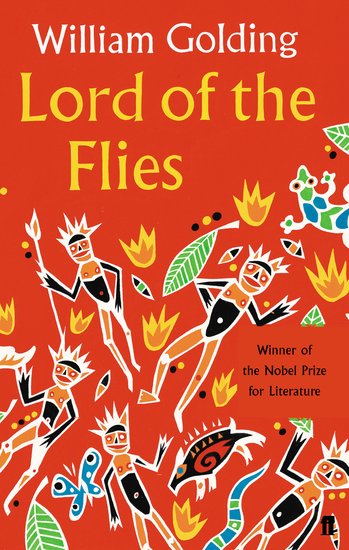
Lord of the Flies - William Golding
|
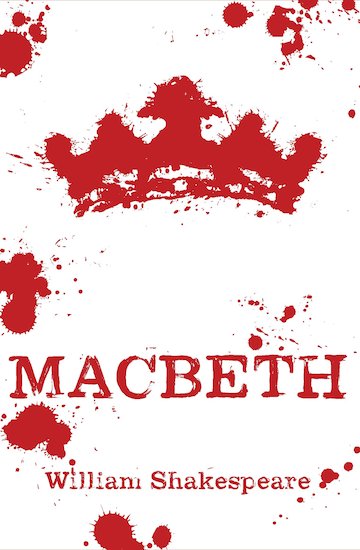
MacBeth - William Shakespeare
|
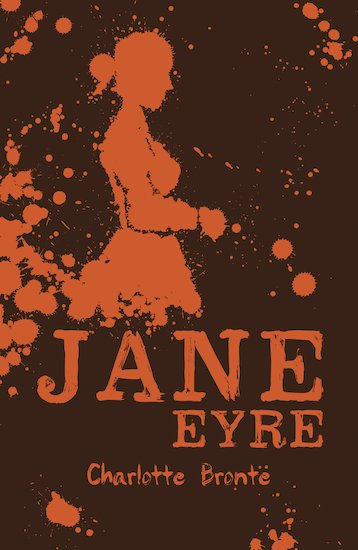
Jane Eyre - Charlotte Bronte
|
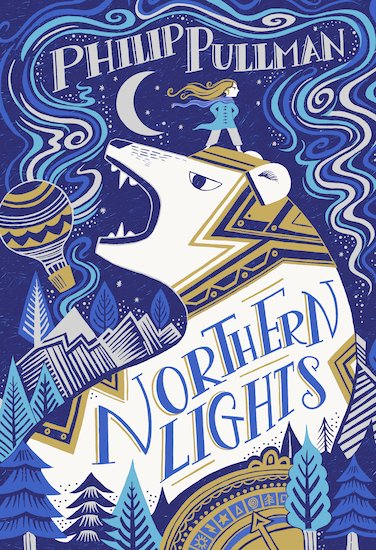
Northern Lights - Phillip Pullman
|
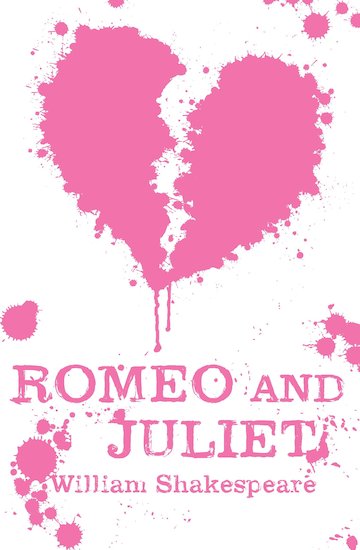
Romeo and Juliet - William Shakespeare
|
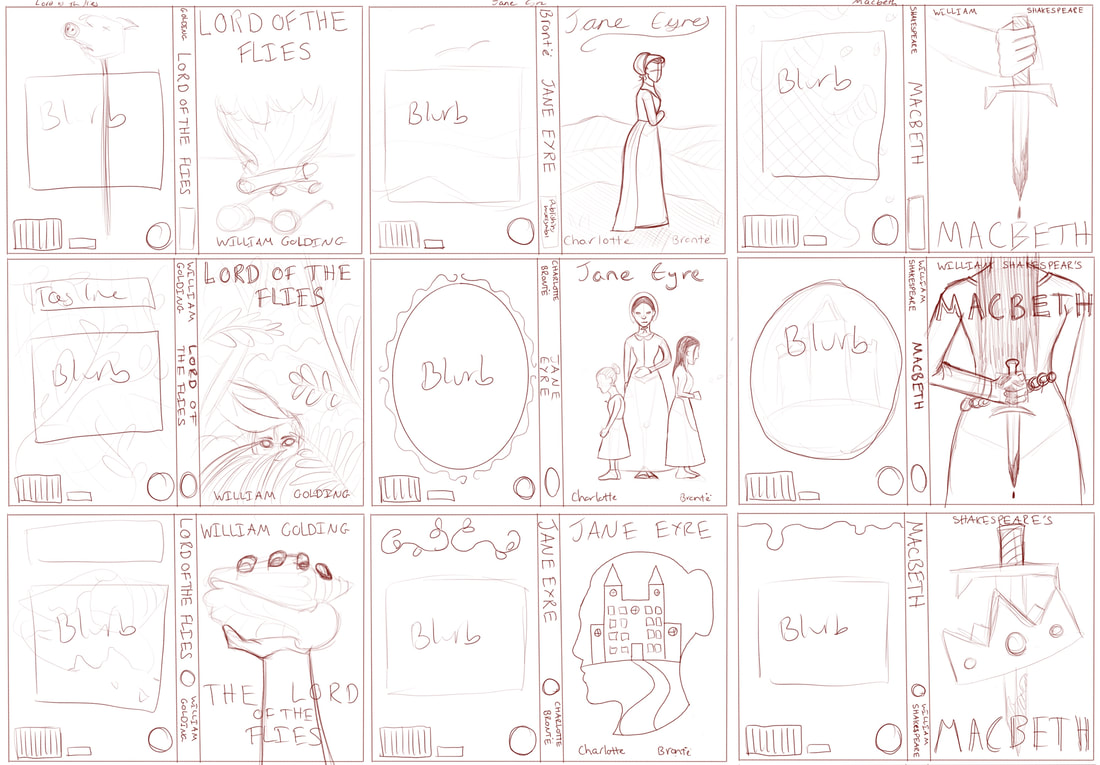
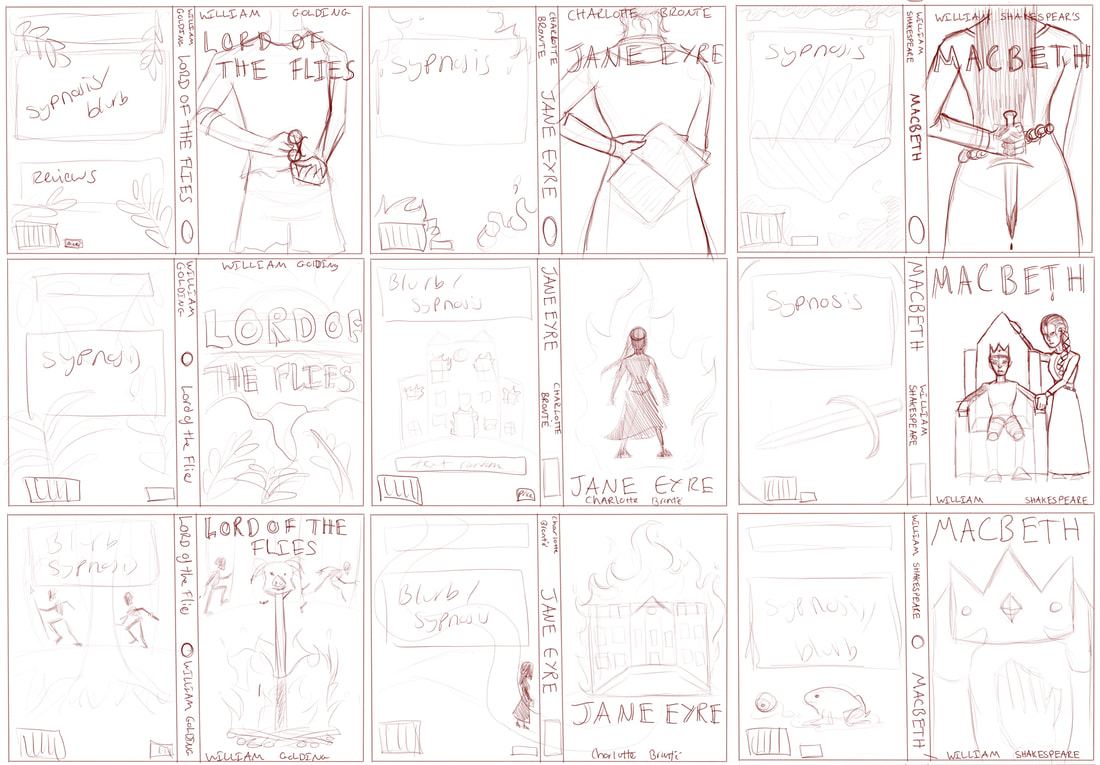
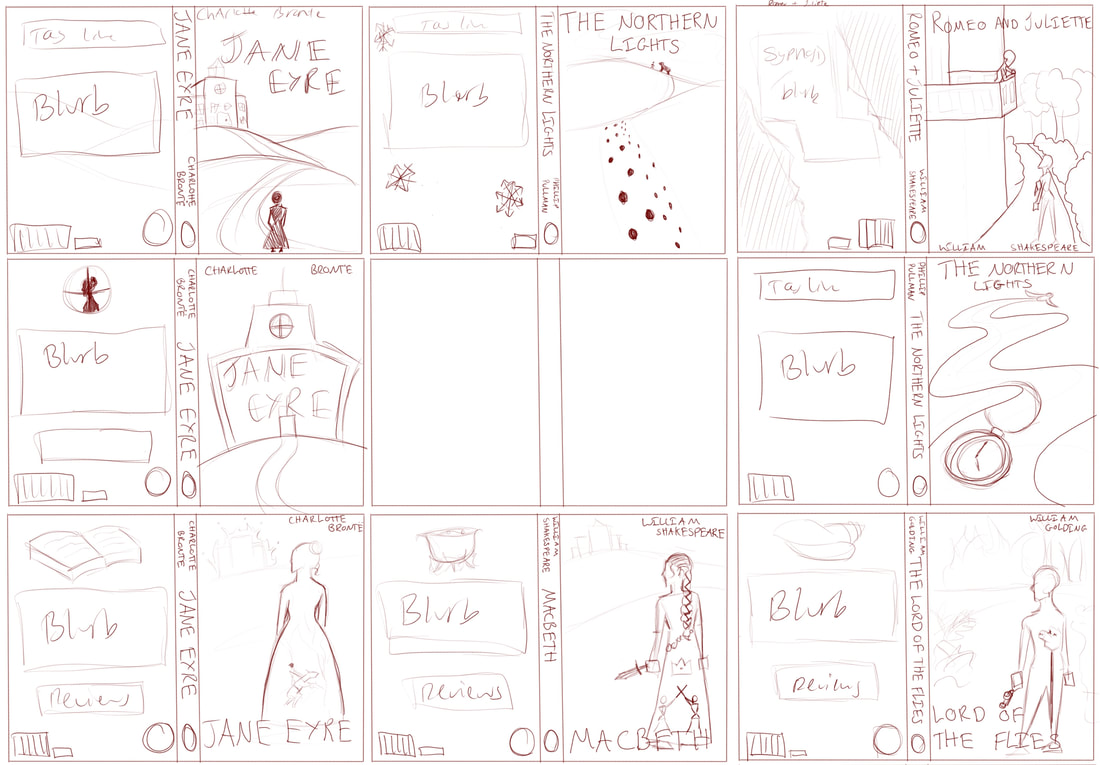
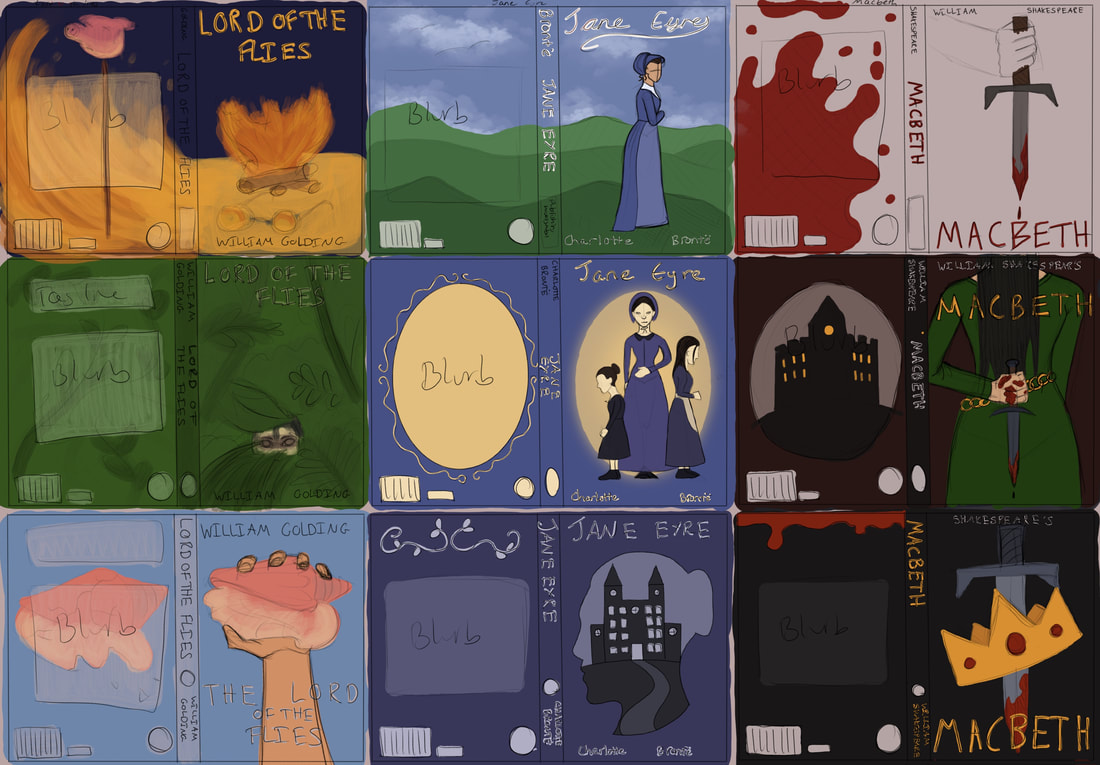
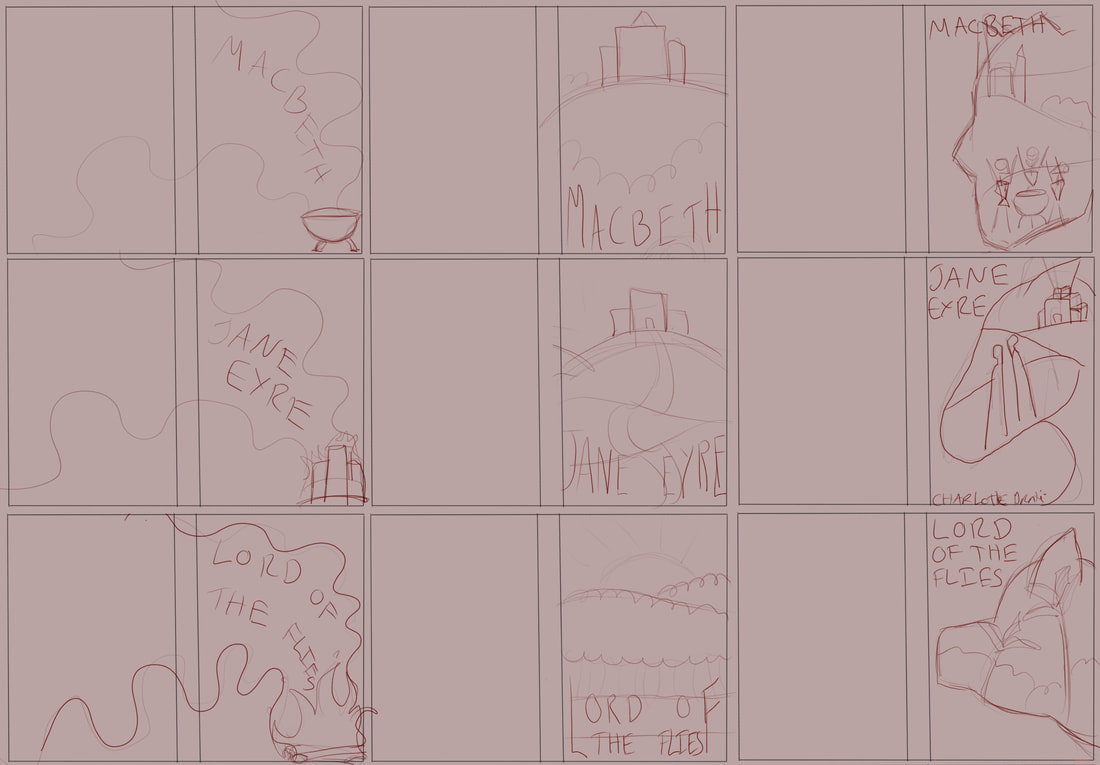
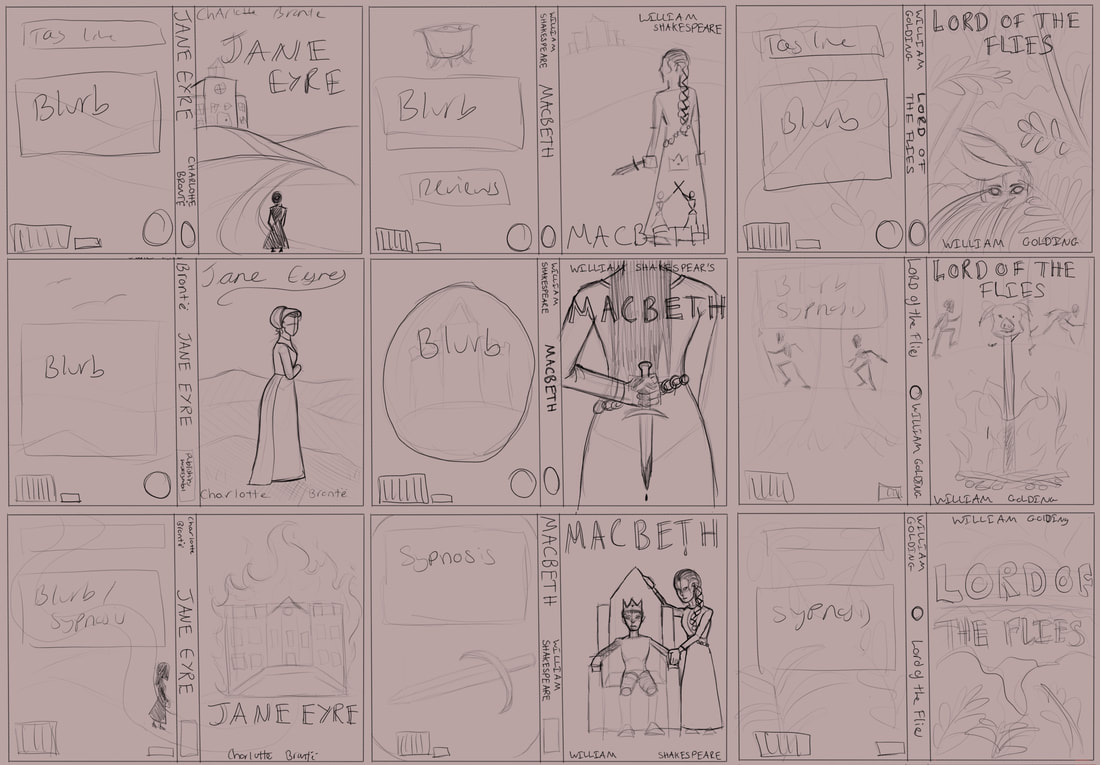
Rough thumbnails

|
|
|
|
|
|
|
Artists
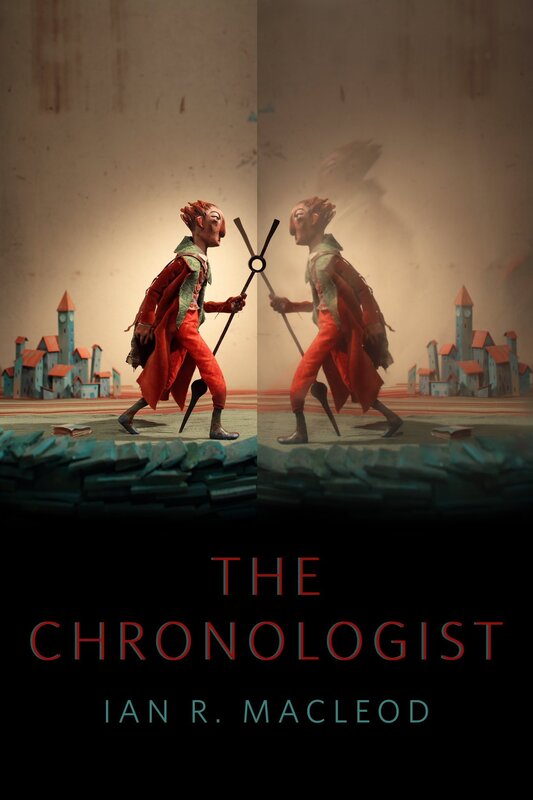
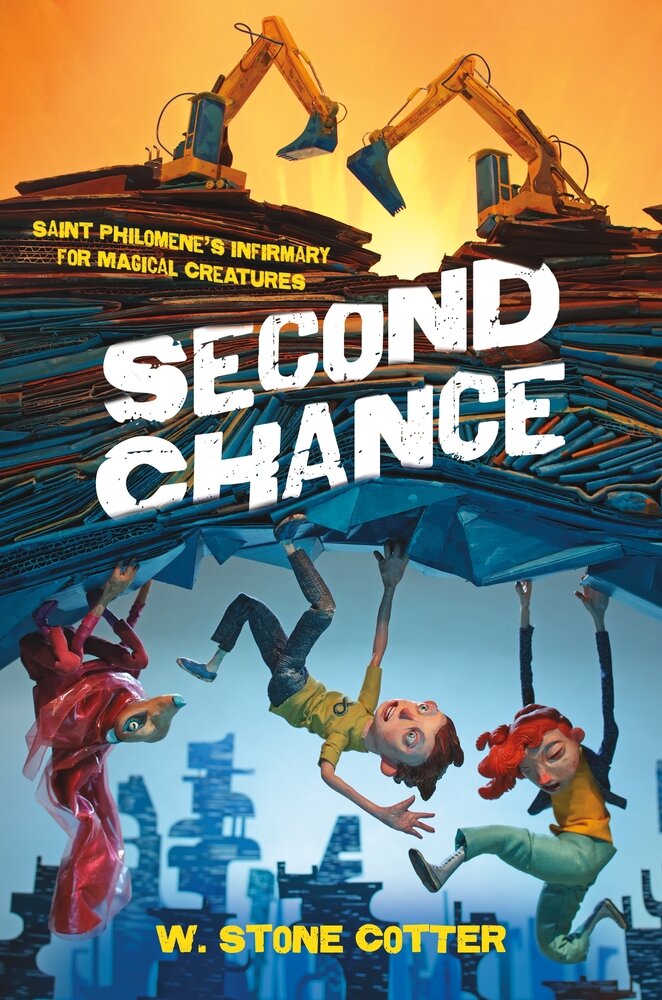
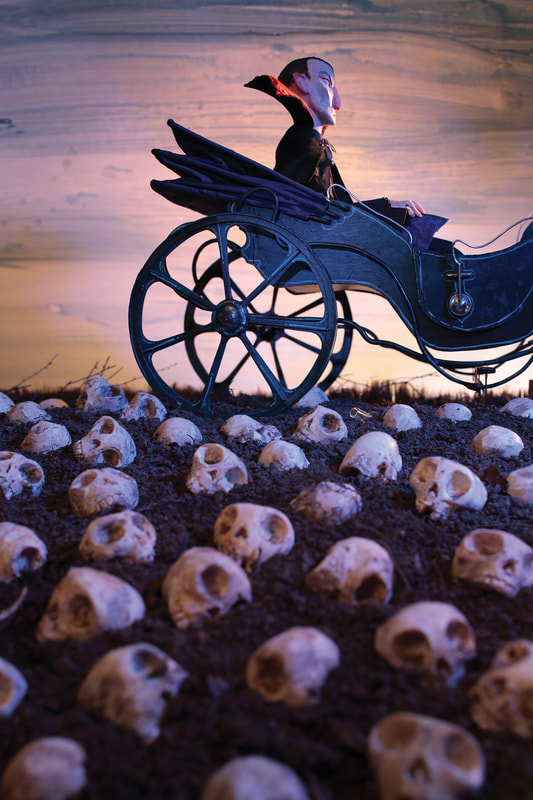
Chris Sickels is an artist based out of Greenfield, Indiana. He primarily creates his illustrations using clay, which he then photographs and edits to bring forth beautiful and dynamic pieces of work and stop motion animation. Sickles has created numerous pieces of work, including book jackets, puppets and stop motion animations.
|
|
|
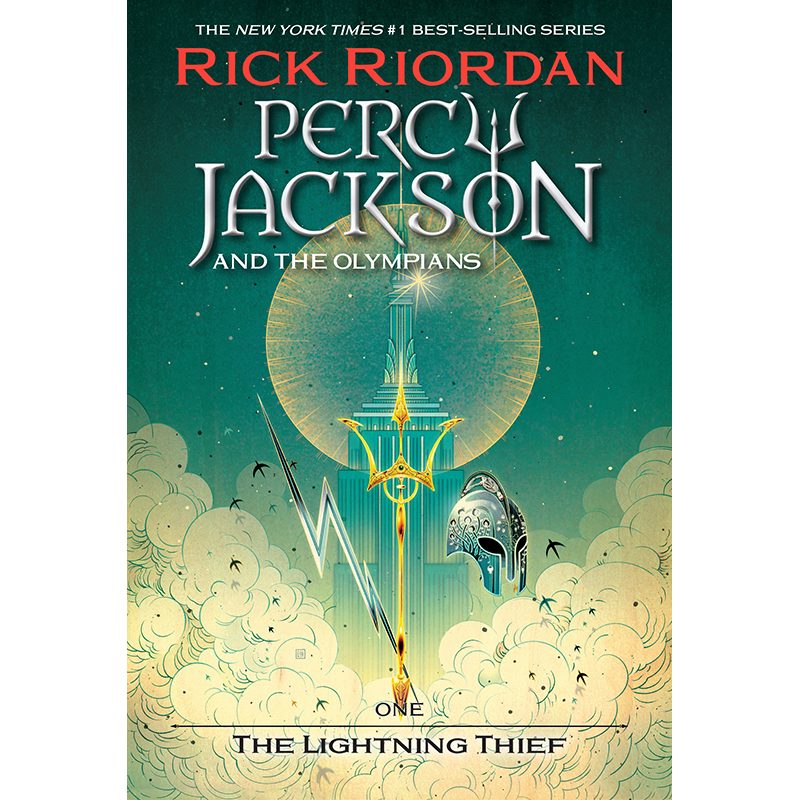
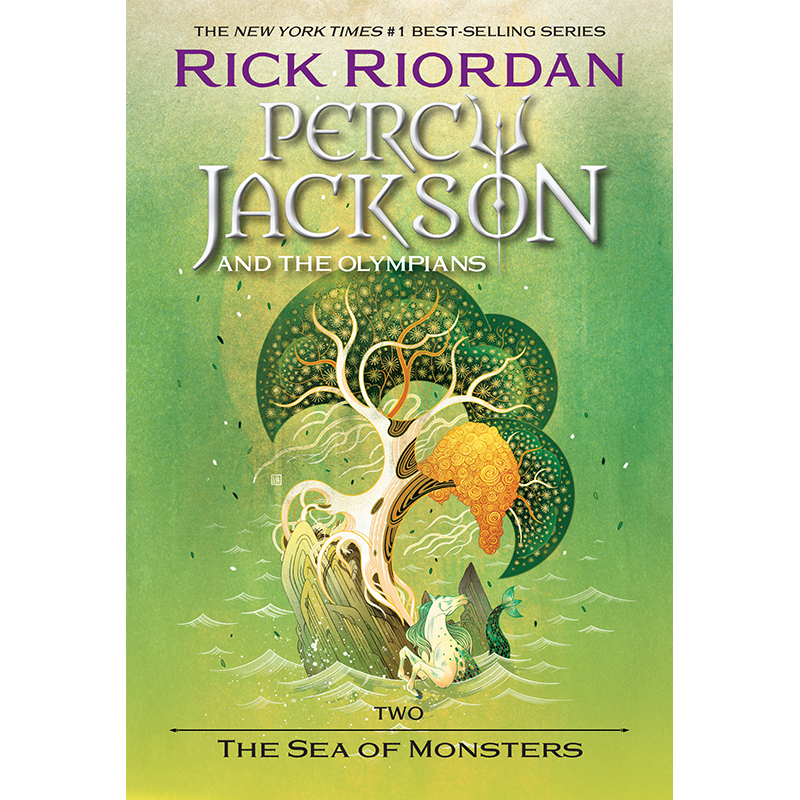
Victo Ngai is an LA based illustrator from Hong Kong who has illustrated for many high end clients, including the New York Times, Dreamworks, and the Folio Society.
|
|
|
|
|
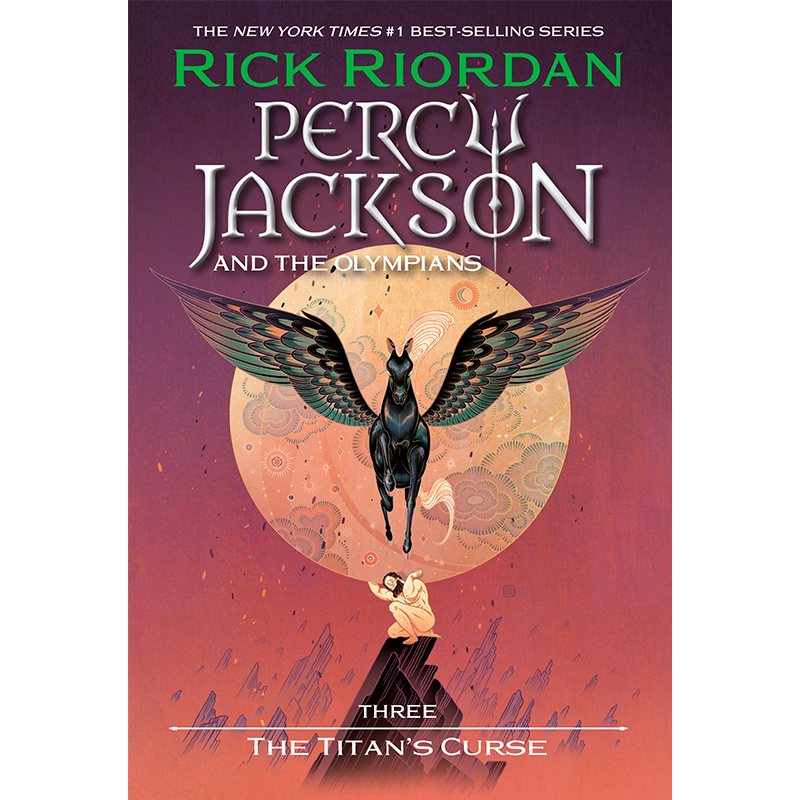
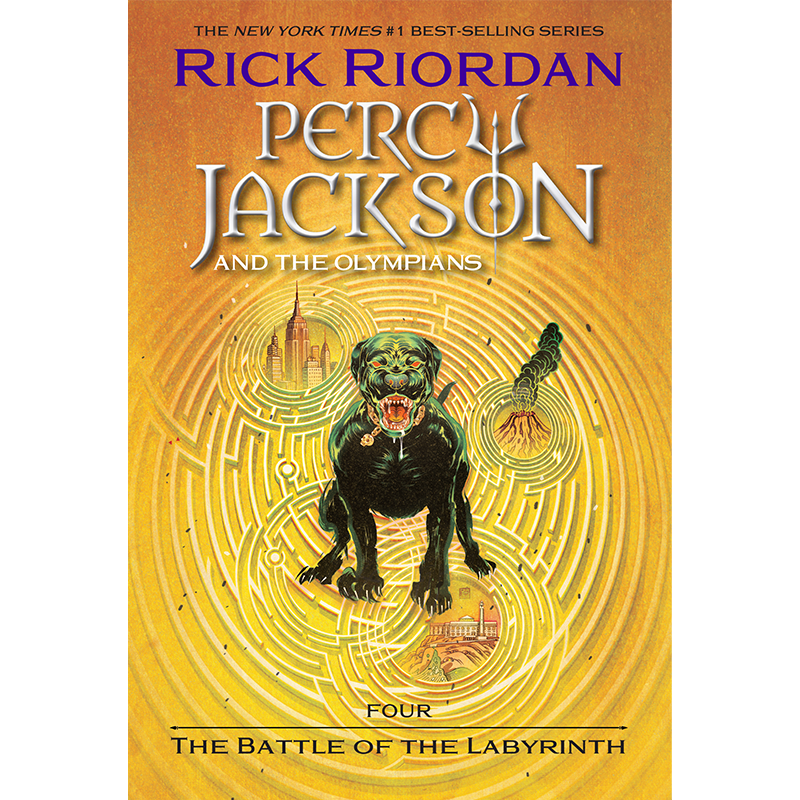
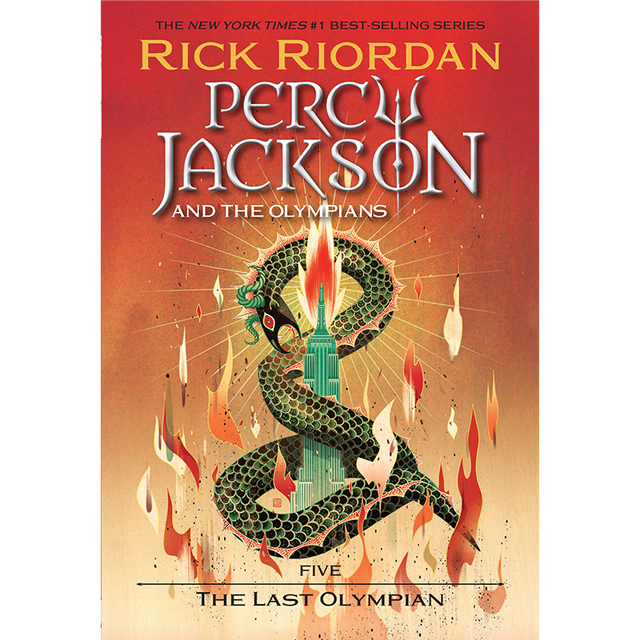
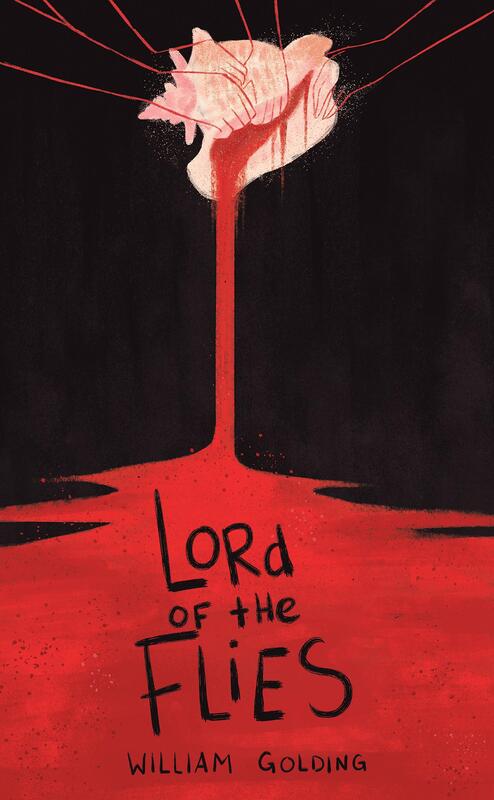
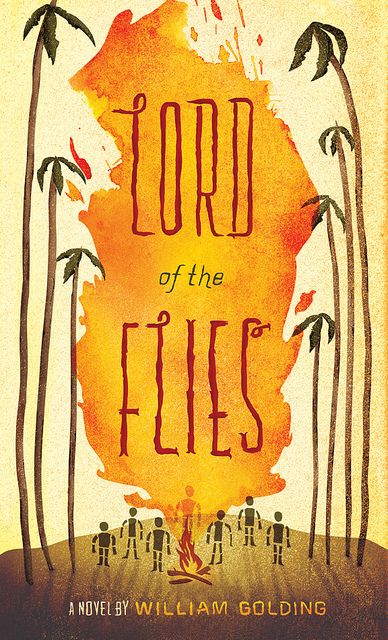
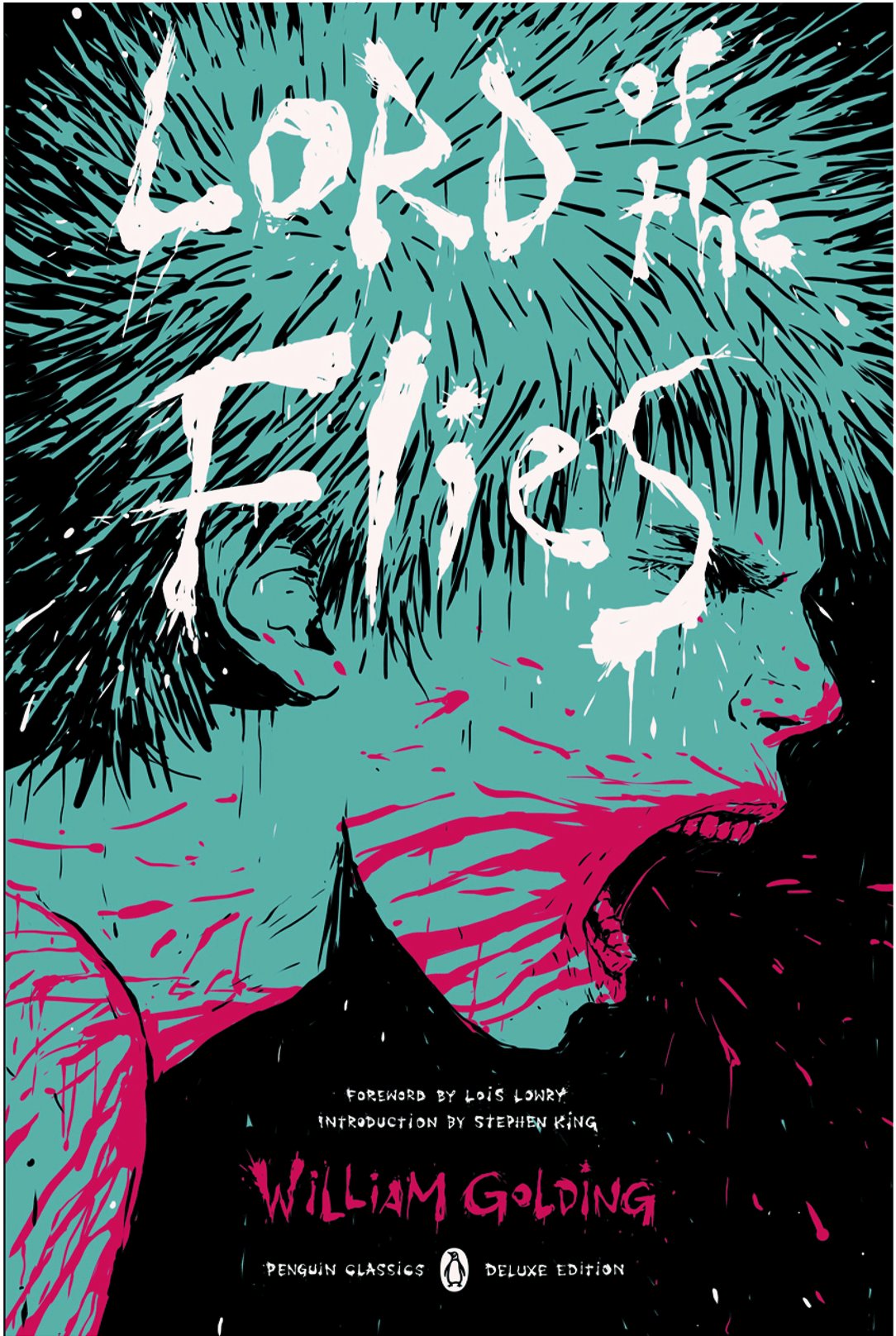
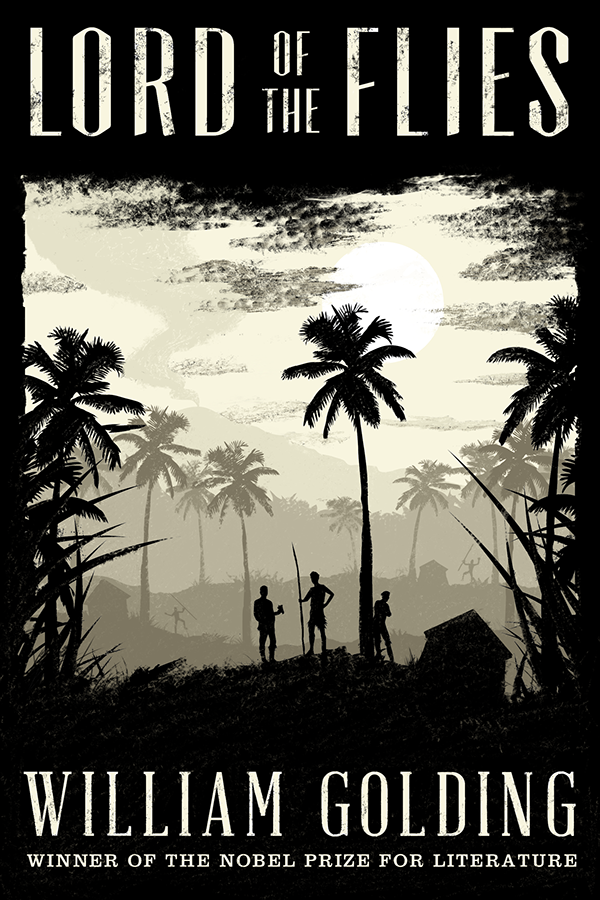
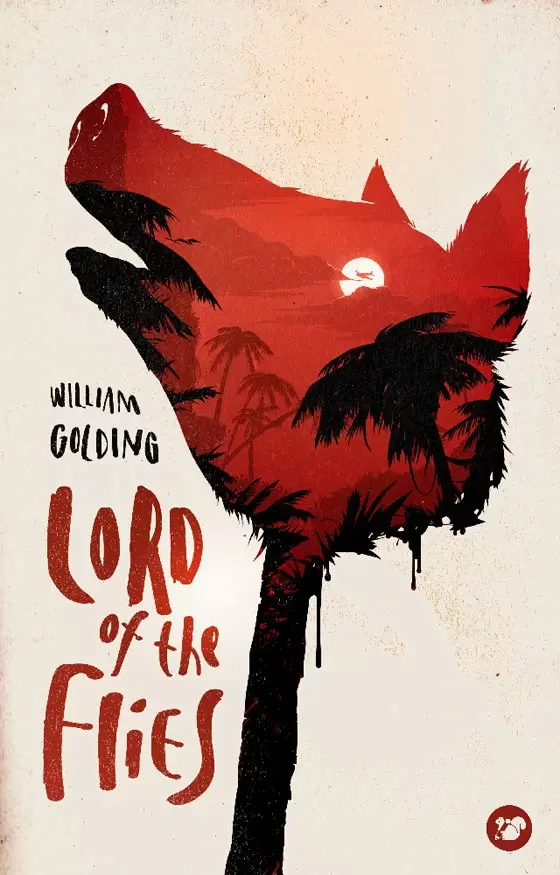
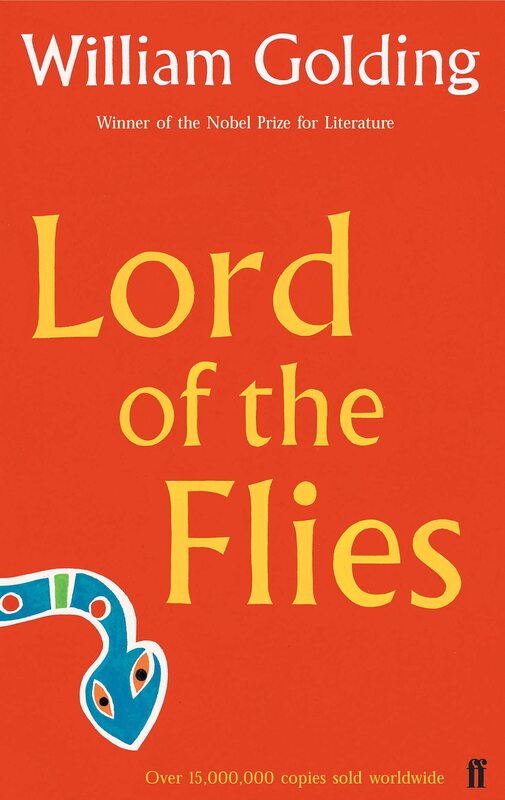
Existing book jackets for Lord of the Flies
|
|
|
|
|
|
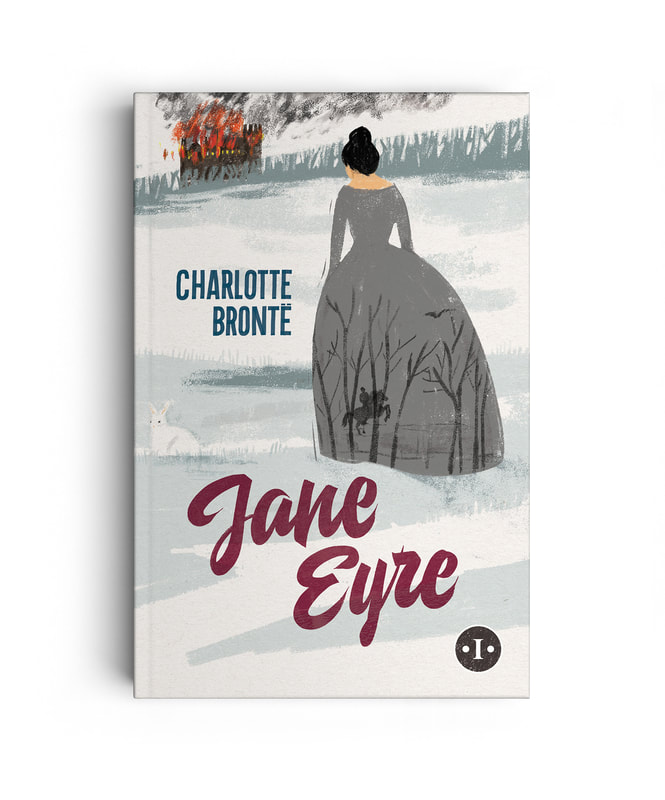
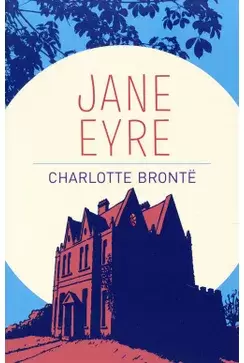
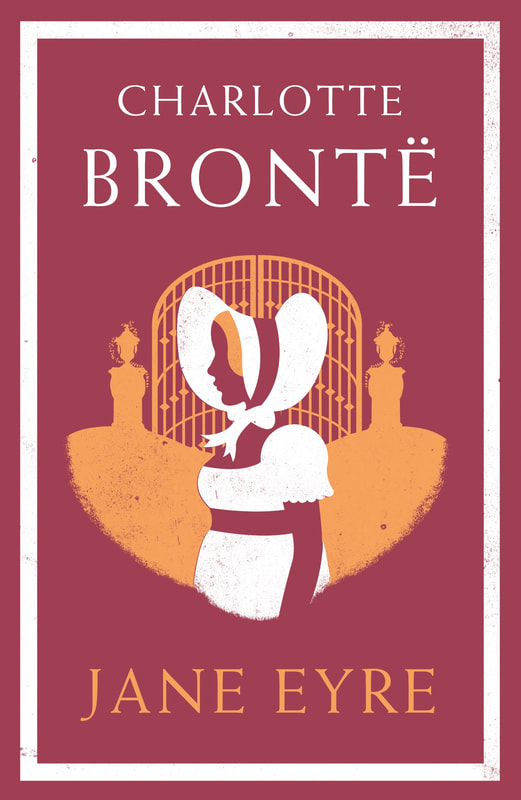
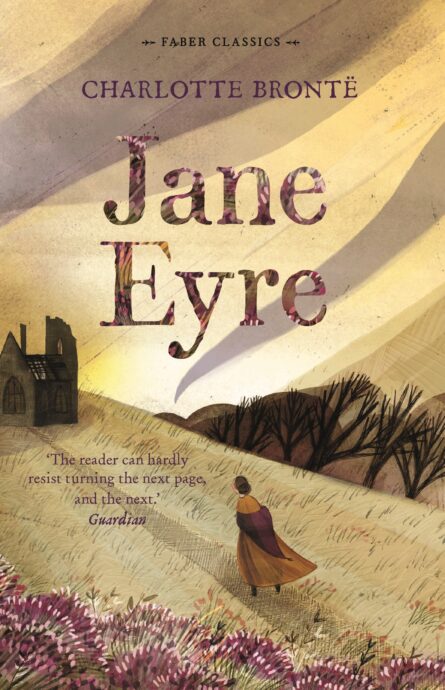
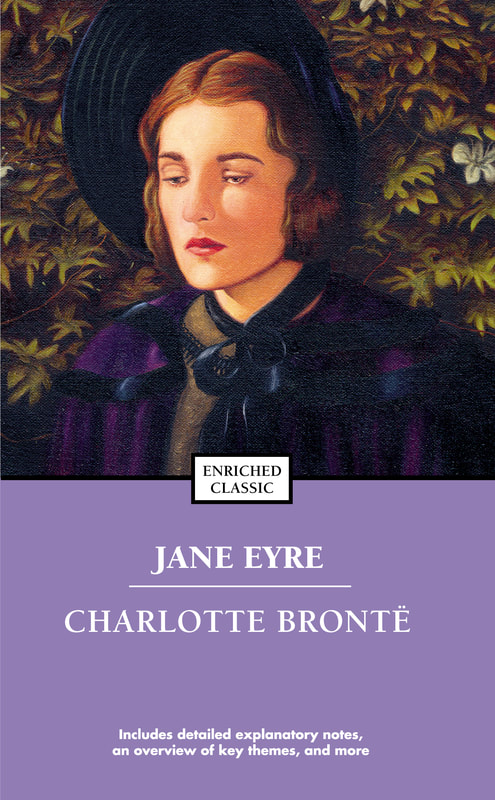
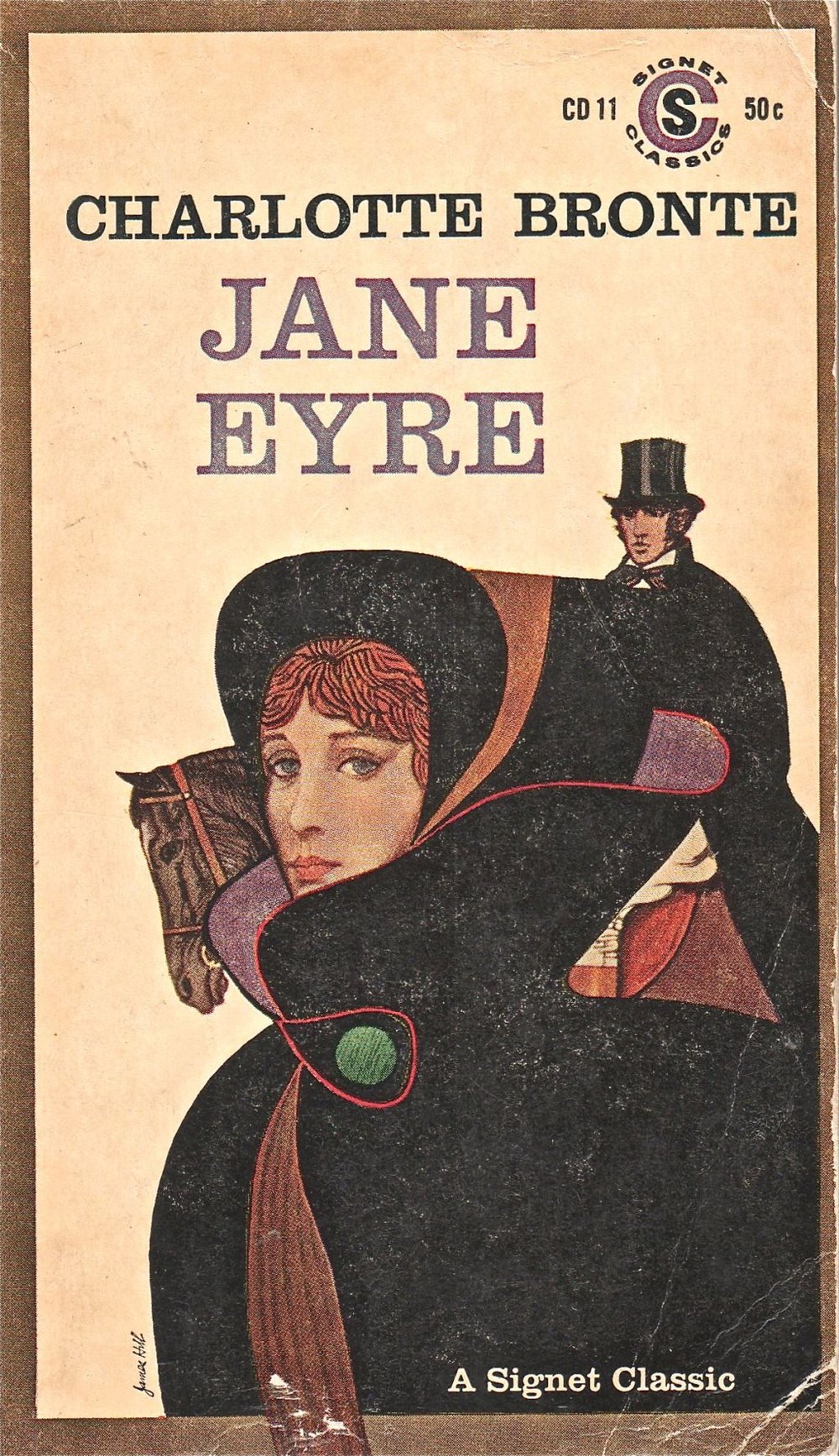
Existing book jackets for Jane Eyre
|
|
|
|
|
|
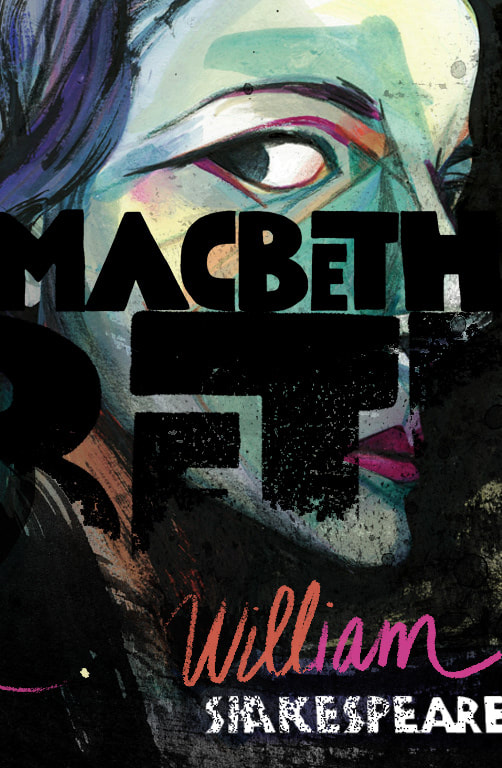
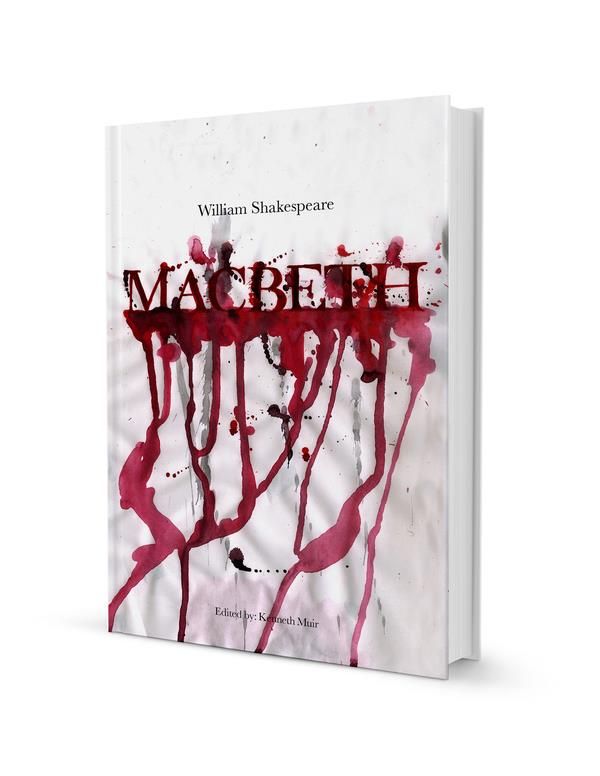
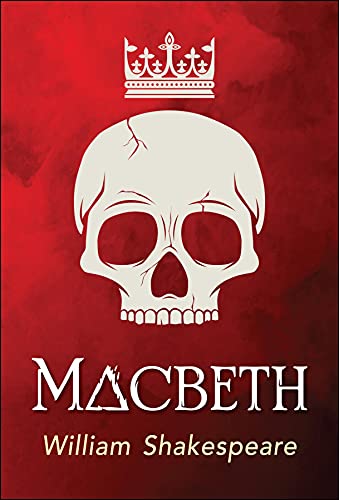
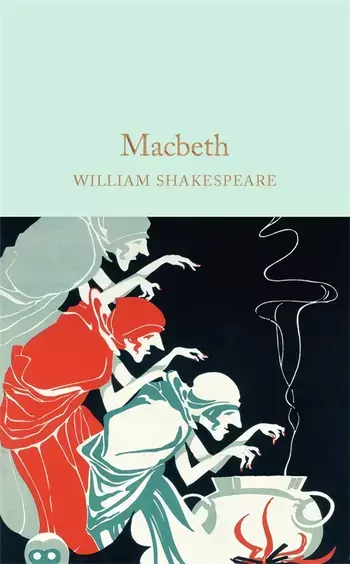
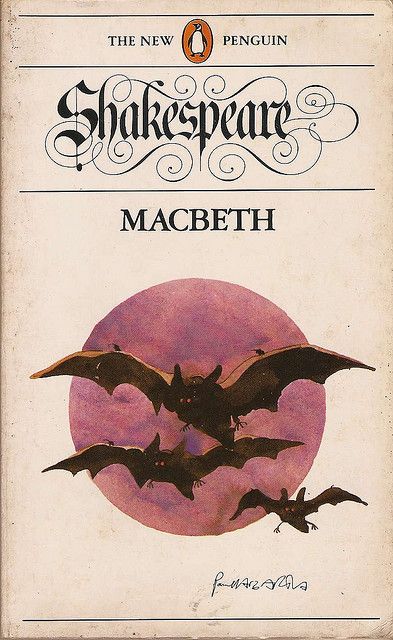
Existing book jackets for Macbeth
|
|
|
|
|
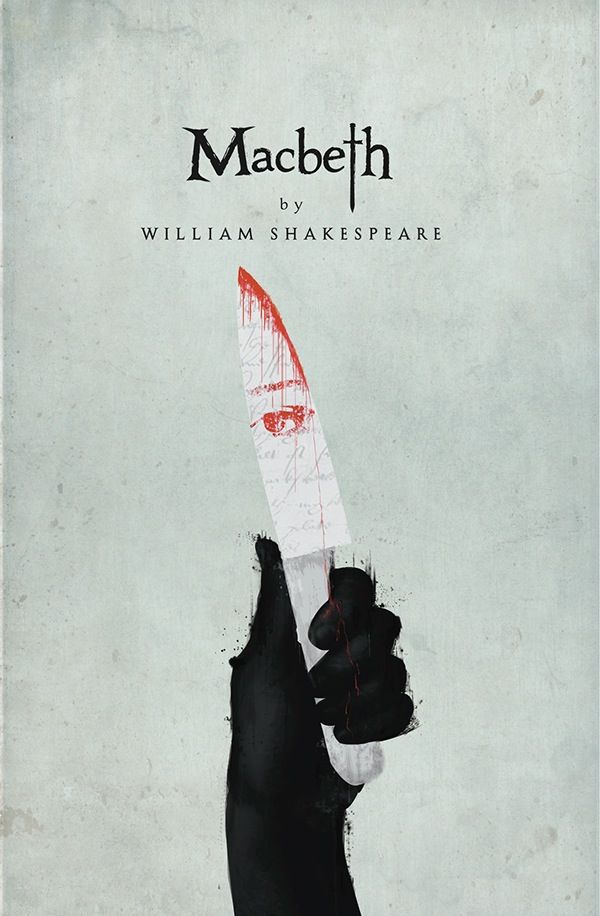
|
Jane Eyre research
Jane Eyre is set somewhere in the North of England late in the reign of King George III (1760-1820).
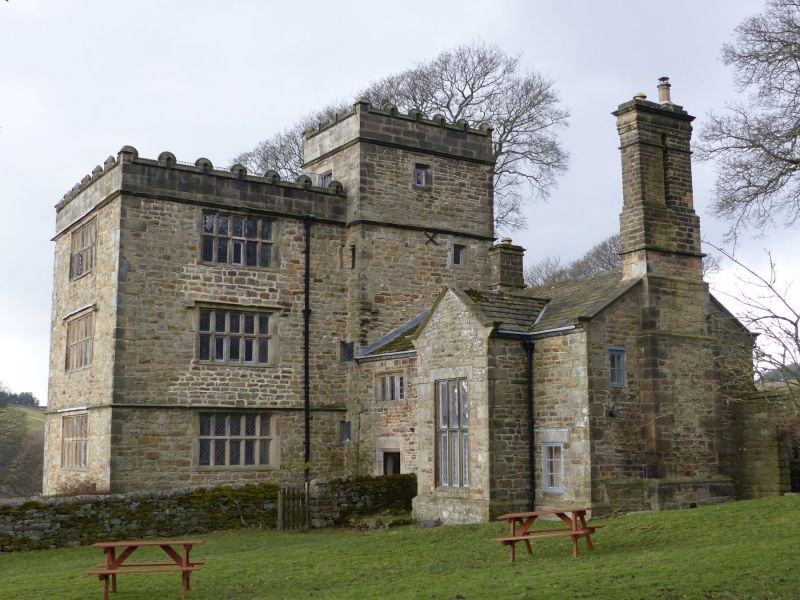
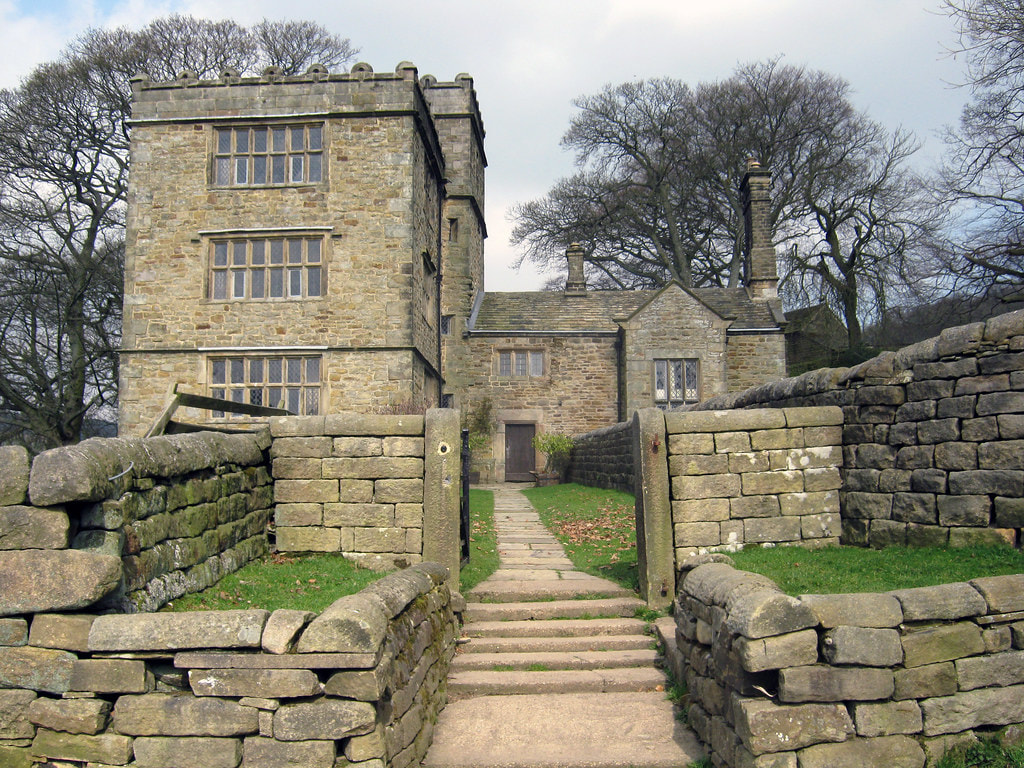
North Lees Hall
The Gothic manor of Thornfield Hall was probably inspired by North Lees Hall, near Hathersage in the Peak District in Derbyshire. This was visited by Charlotte Brontë and her friend Ellen Nussey in the summer of 1845, and is described by the latter in a letter dated 22 July 1845. It became the principal inspiration for Thornfield Hall in the novel ‘Jane Eyre’, described as: “three storeys high; a gentleman’s manor house; battlements round the top gave it a picturesque look”.
|
|
About North Lees Hall
A settlement was first mentioned here in 1306 with the existing grade II listed Tower House dating from 1594 and probably replacing an earlier Elizabethan timber-framed hall house. Its design has been linked to Robert Smythson, (architect of Hardwick Hall) and incorporates three principal rooms, one above the other, all with Elizabethan features, which are linked by a spiral elm staircase. Behind are four floors of service rooms with lower floor to ceiling heights – an early split-level design.
The tower house was restored in 1962 by General Sir Hugh Beach for use as a guest house. The restoration included the plaster ceiling decoration which was replicated from photographs and surviving fragments. The Hall was acquired by the Peak Park Joint Planning Board in 1978 along with the surrounding North Lees estate, and was leased to the Vivat Trust in 1988. The Vivat Trust converted the building into self-catering holiday accommodation with help from the Architectural Heritage Fund. They also renewed the flat roof to the tower, in lead, with grant aid from the Peak District National Park Authority. This gives stunning views over the surrounding countryside.
The two storey side extension called the East Wing incorporates 17th century elements alongside later remodelling; it is now a farmhouse.
The barn above the Hall is listed grade II. The oldest section dates from the late 16th century and has four sets of crucks, dendro-dated to the mid 1500s. Later extensions date from the 18th and 19th centuries. The small outbuildings to the rear of the Hall are also listed grade II. These were service buildings to the Hall, latterly in agricultural use. There is no public access to these buildings although the rear of the barn is visible from footpaths to the north.
A settlement was first mentioned here in 1306 with the existing grade II listed Tower House dating from 1594 and probably replacing an earlier Elizabethan timber-framed hall house. Its design has been linked to Robert Smythson, (architect of Hardwick Hall) and incorporates three principal rooms, one above the other, all with Elizabethan features, which are linked by a spiral elm staircase. Behind are four floors of service rooms with lower floor to ceiling heights – an early split-level design.
The tower house was restored in 1962 by General Sir Hugh Beach for use as a guest house. The restoration included the plaster ceiling decoration which was replicated from photographs and surviving fragments. The Hall was acquired by the Peak Park Joint Planning Board in 1978 along with the surrounding North Lees estate, and was leased to the Vivat Trust in 1988. The Vivat Trust converted the building into self-catering holiday accommodation with help from the Architectural Heritage Fund. They also renewed the flat roof to the tower, in lead, with grant aid from the Peak District National Park Authority. This gives stunning views over the surrounding countryside.
The two storey side extension called the East Wing incorporates 17th century elements alongside later remodelling; it is now a farmhouse.
The barn above the Hall is listed grade II. The oldest section dates from the late 16th century and has four sets of crucks, dendro-dated to the mid 1500s. Later extensions date from the 18th and 19th centuries. The small outbuildings to the rear of the Hall are also listed grade II. These were service buildings to the Hall, latterly in agricultural use. There is no public access to these buildings although the rear of the barn is visible from footpaths to the north.
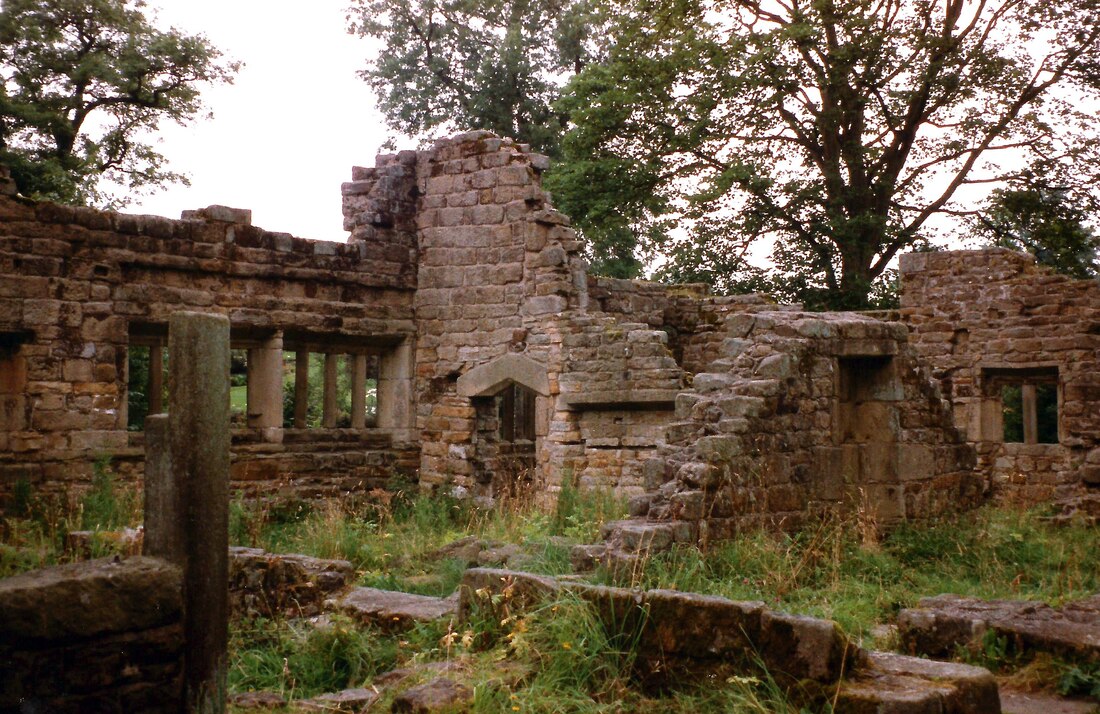
Wycoller Hall
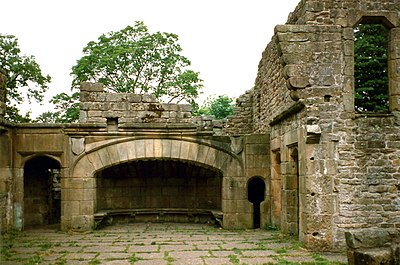
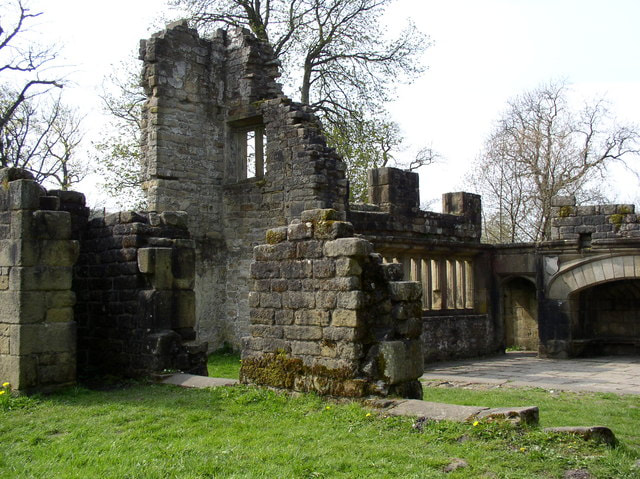
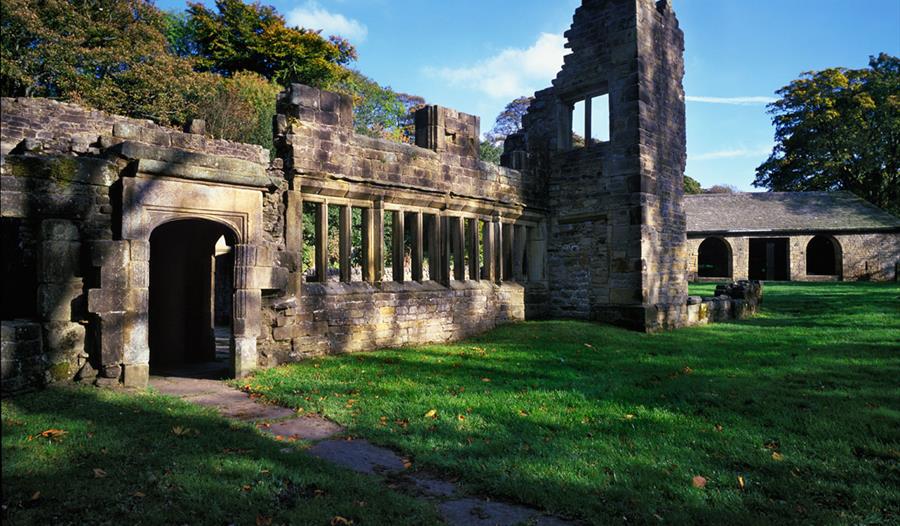
Wycoller Hall was a late sixteenth-century manor house in the village of Wycoller, Lancashire, England. The hall was the centre of a sizeable estate but subsequently fell into disrepair. The ruins are now listed, and form part of Wycoller Country Park.
It has been suggested that the Wycoller Hall provided the setting for Ferndean Manor to which Mr Rochester retreats after the fire at Thornfield: there are similarities between the owner of Ferndean—Mr Rochester's father—and Henry Cunliffe, who inherited Wycoller in the 1770s and lived there until his death in 1818; one of Cunliffe's relatives was named Elizabeth Eyre (née Cunliffe). Wycoller Hall was even used to illustrate the cover of the 1898 edition of Jane Eyre.
It has been suggested that the Wycoller Hall provided the setting for Ferndean Manor to which Mr Rochester retreats after the fire at Thornfield: there are similarities between the owner of Ferndean—Mr Rochester's father—and Henry Cunliffe, who inherited Wycoller in the 1770s and lived there until his death in 1818; one of Cunliffe's relatives was named Elizabeth Eyre (née Cunliffe). Wycoller Hall was even used to illustrate the cover of the 1898 edition of Jane Eyre.
|
|
|
|
Late 18th/Early 19th century women's fashion
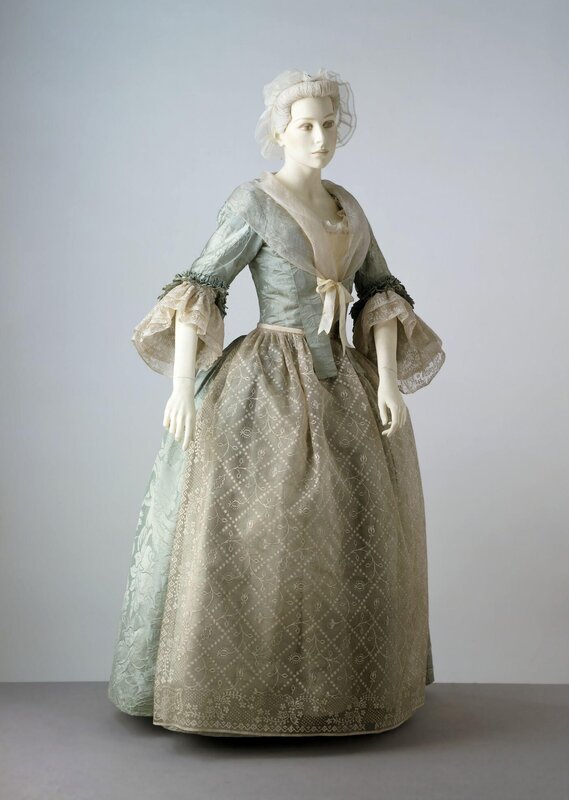
This decorative silk apron was made around the 1790's in England, and was worn by the lady of the house to signify her expertise at domestic management.
|
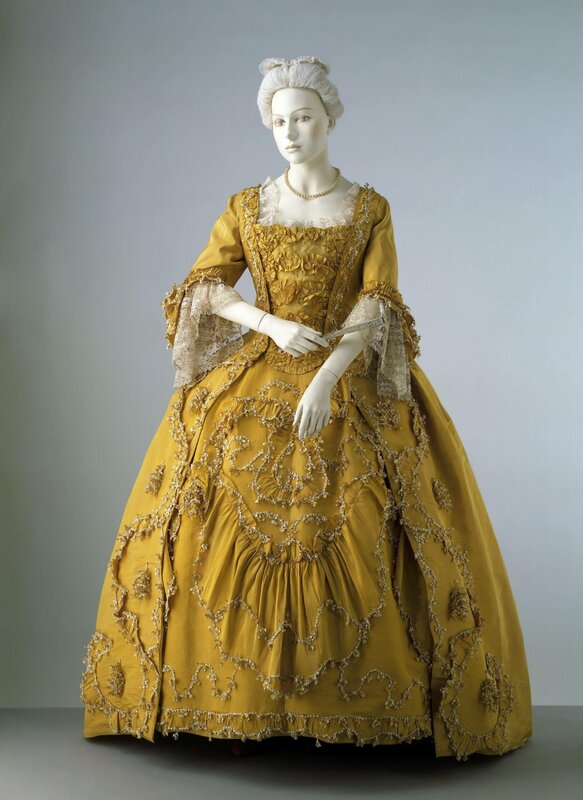
This is a Rococoo style sack dress, one of the most popular formal dress styles of the time, made in England between 1760 - 1765. The bright yellow was a popular shade for the 18th Centuary.
|
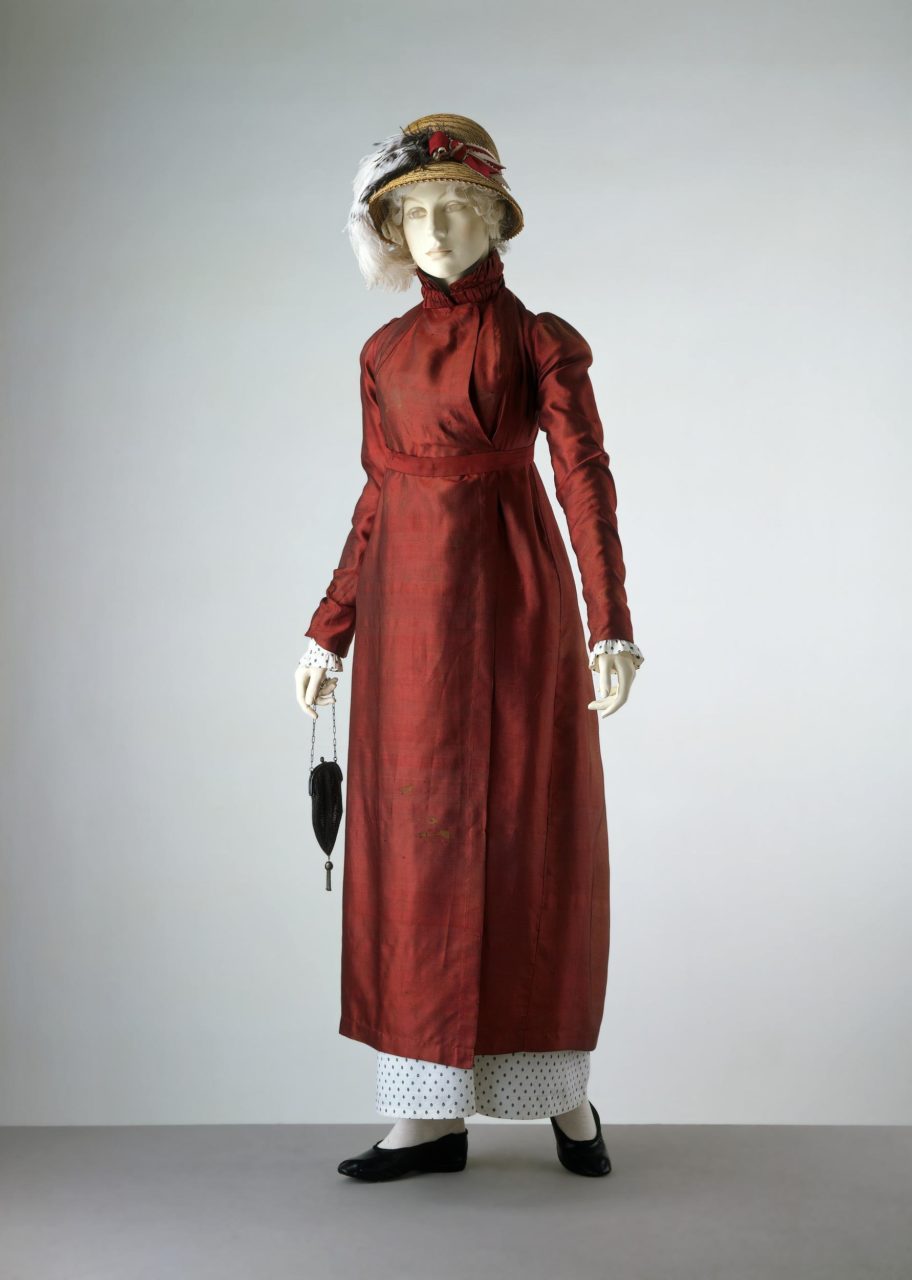
This is a silk Pelisse, a front fastening coat with long sleeves and a similar high waist of the Empire Dress, originating from England.
|
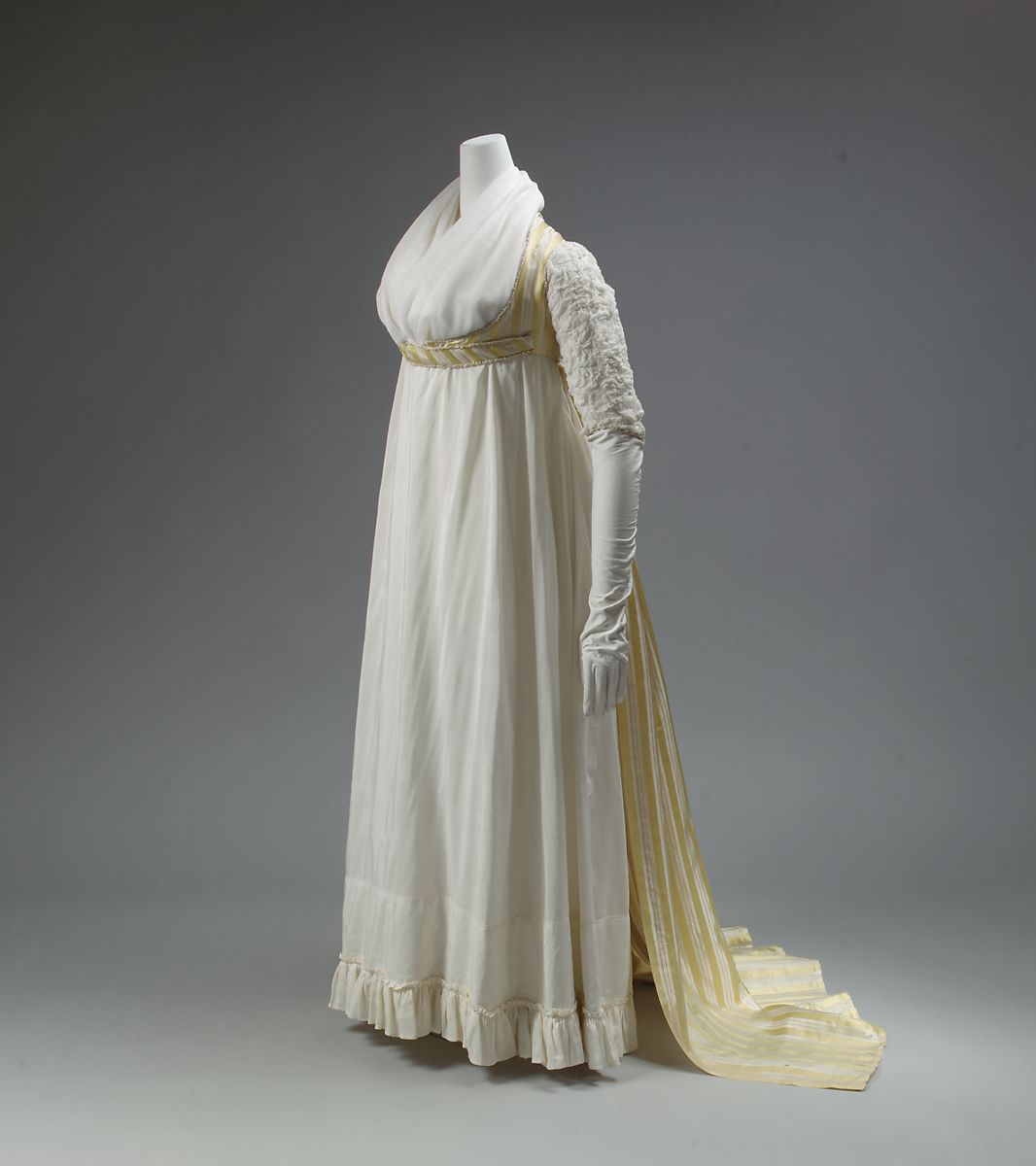
This style of dress is called the Empire dress, most recognisable by the fitted bodice ending just below the bust, giving the garments the look of a very high waist, along with long fitted skirts worn with little to no petticoats.
Though this style originated in France, this example originated from England. |
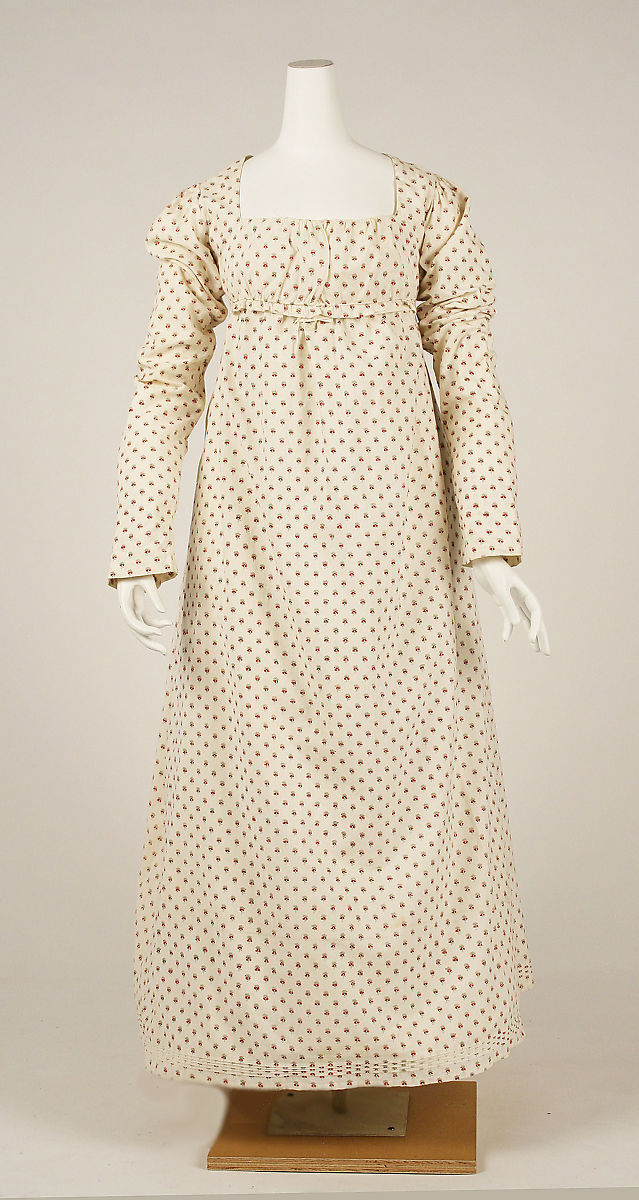
|
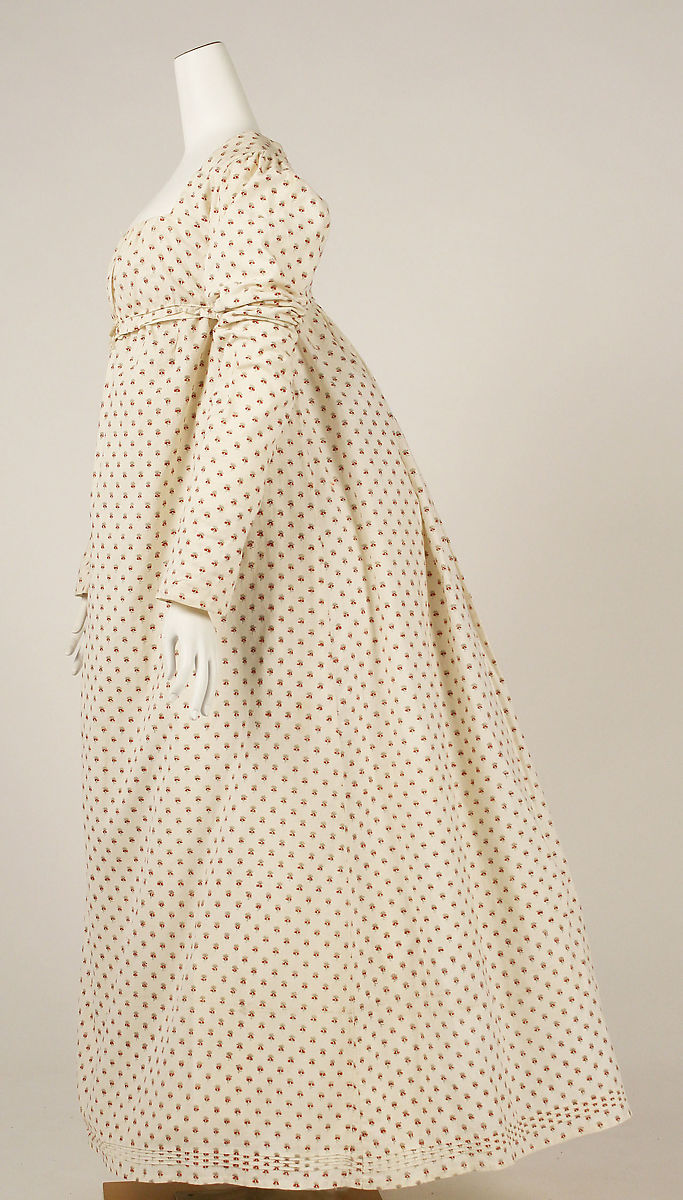
This cotton and flax dress originated from France in-between the years 1797-1798.
|
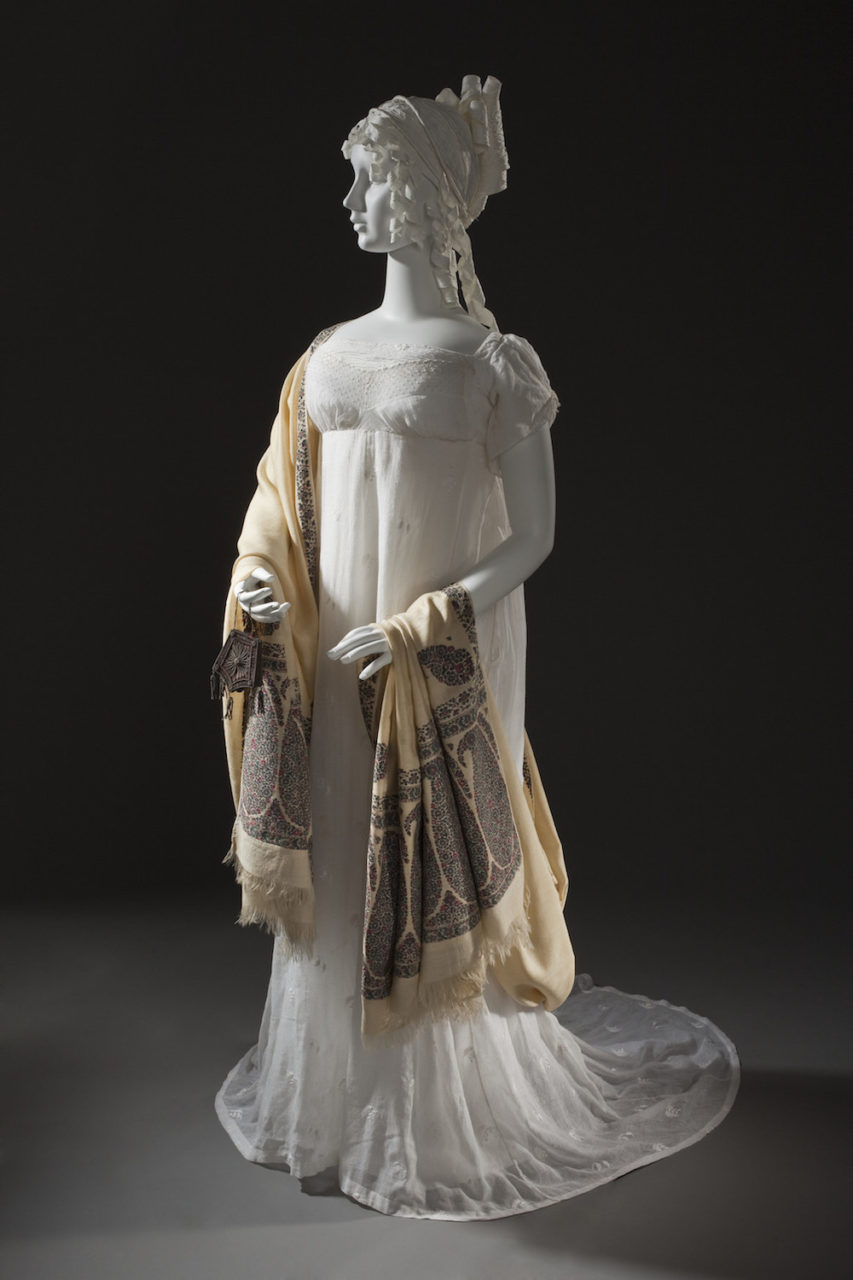
This dress and shawl originate from the 1800's, and seems to have been made in India for the Western Market. The garments have been made of cotton muslin and silk embroidery.
|
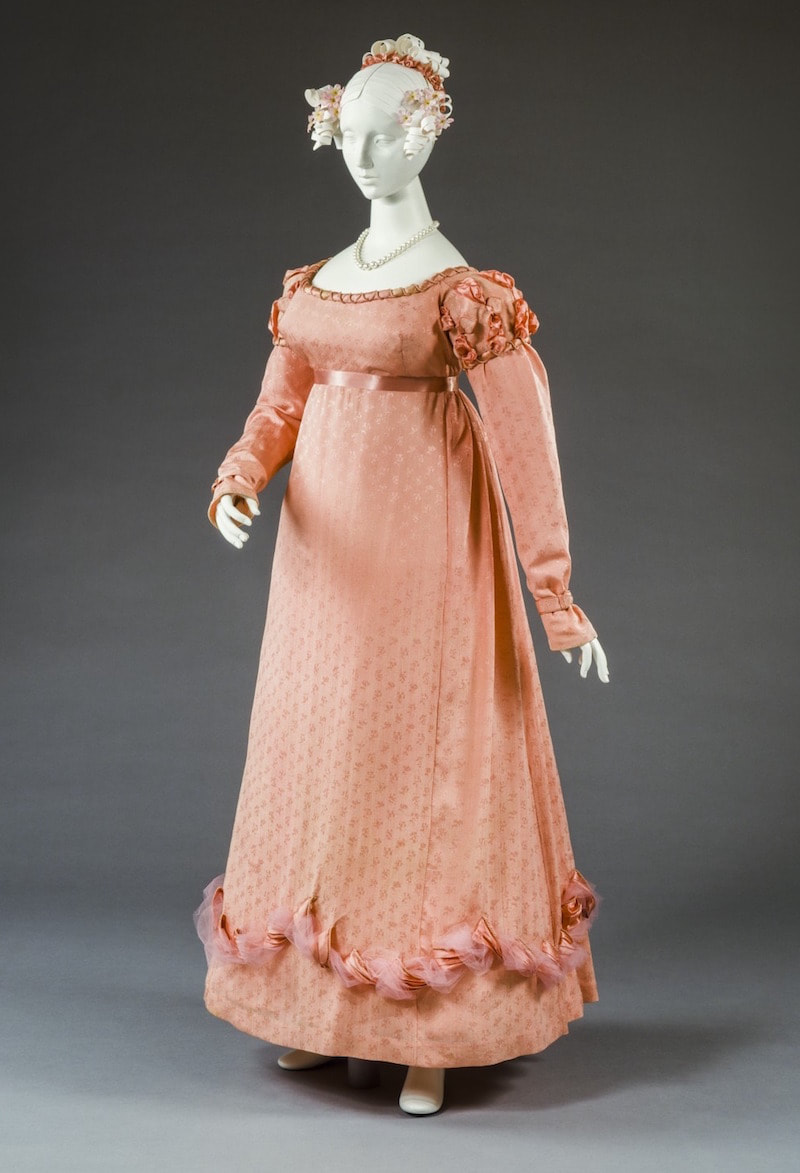
This English silk evening dress originates from between 1818-1822.
|
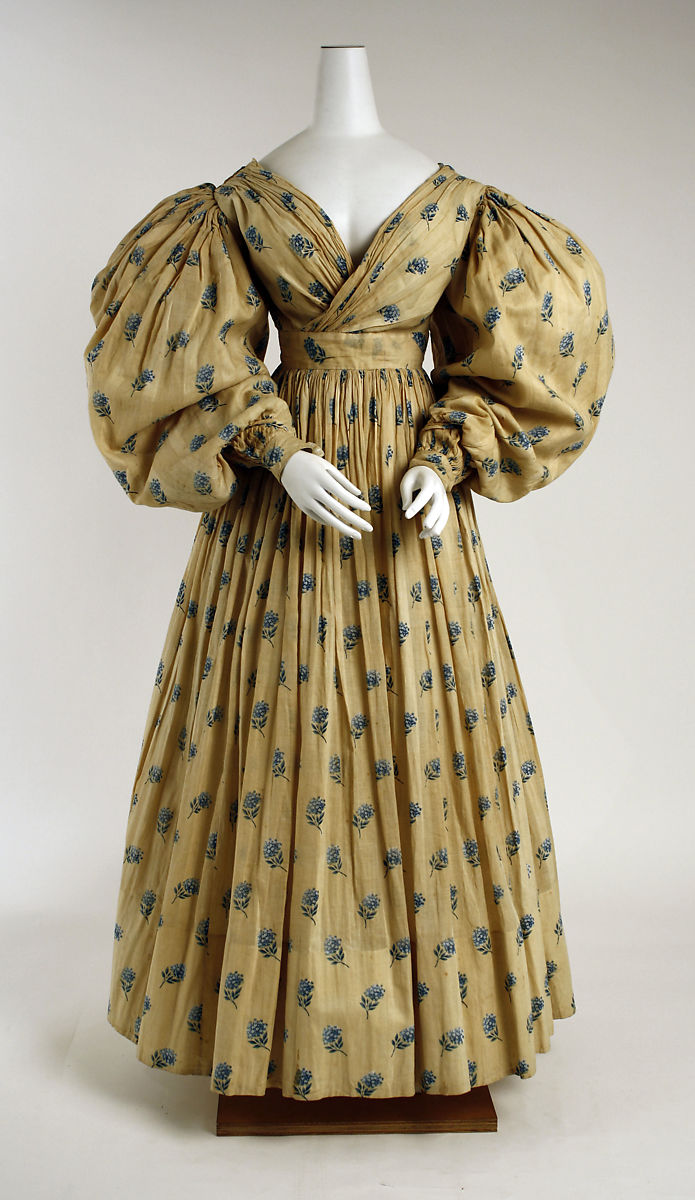
This British made cotton dress was constructed in 1829 and the fabric is pattered with sprigs of flowers.
|
Late 18th/Early 19th century mens fashion
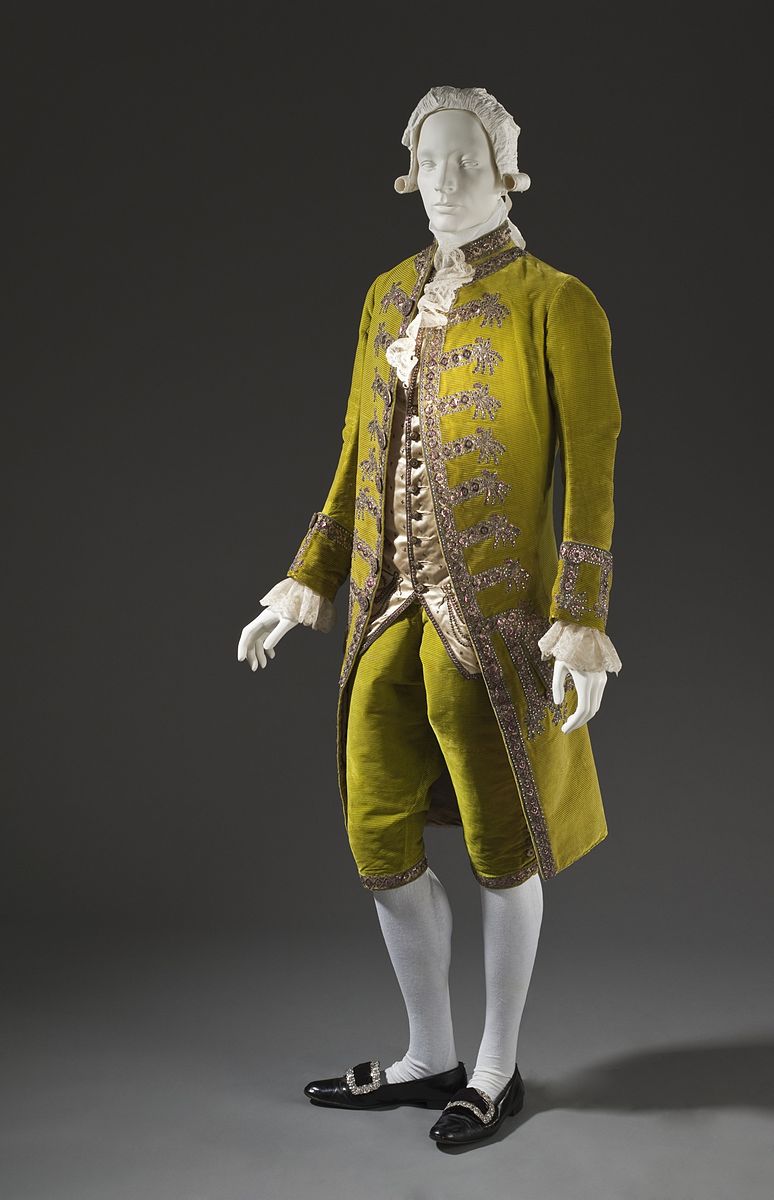
This French evening suit was made between 1780-1785. It is made of silk and velvet, and is decorated with foil and sequins.
|
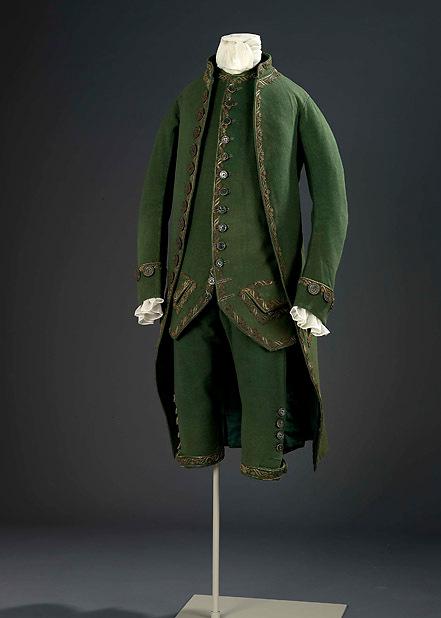
This is a mans fitted 3 piece suit, originating from England from 1770-1780. It was constructed of fulled wool tabby, contained embroidered sequins and embroidered with silver filé.
|
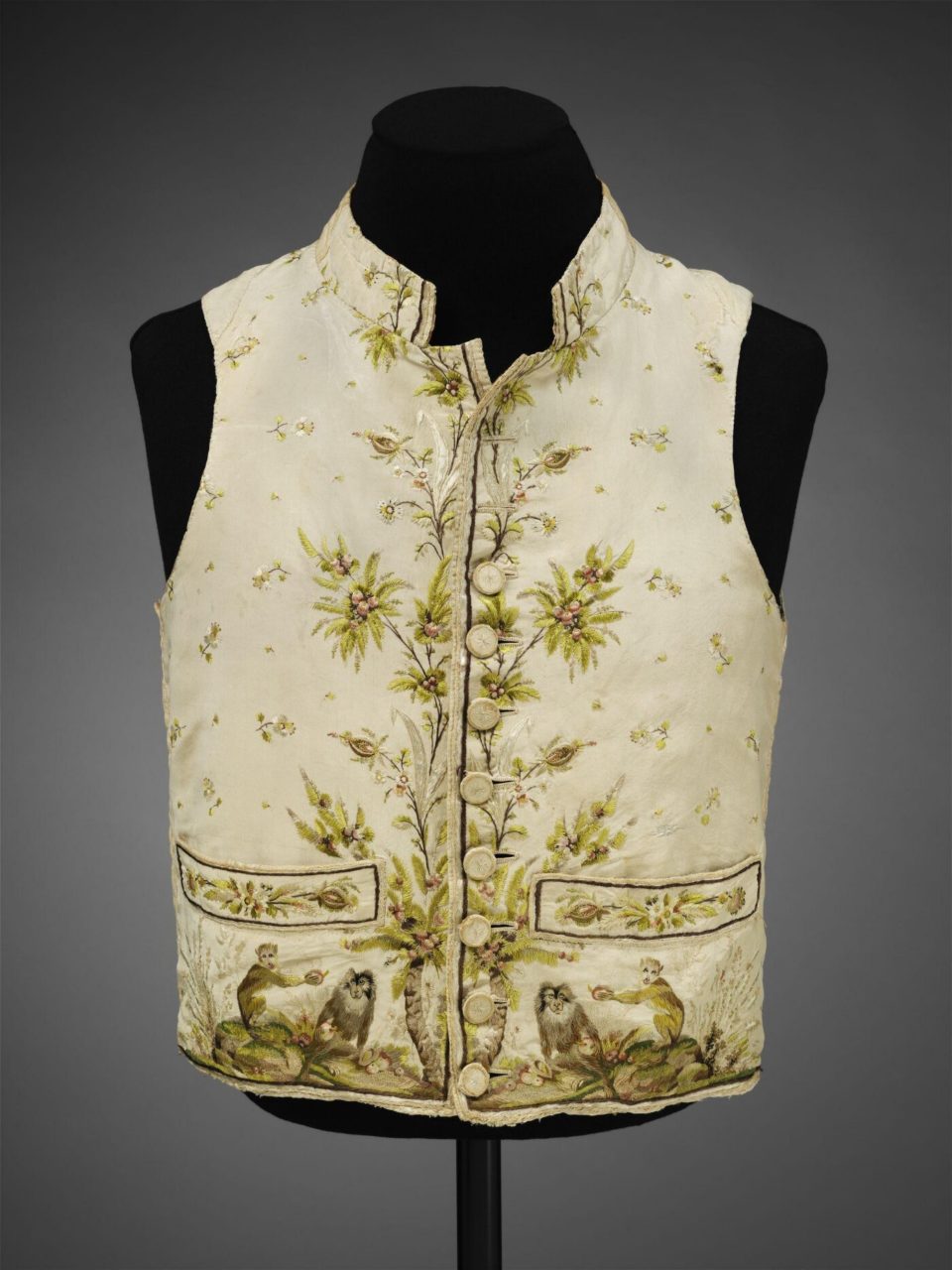
This is a French waistcoat from 1780-1789 made of silk, linen, and embroidered with flowers and monkeys.
|
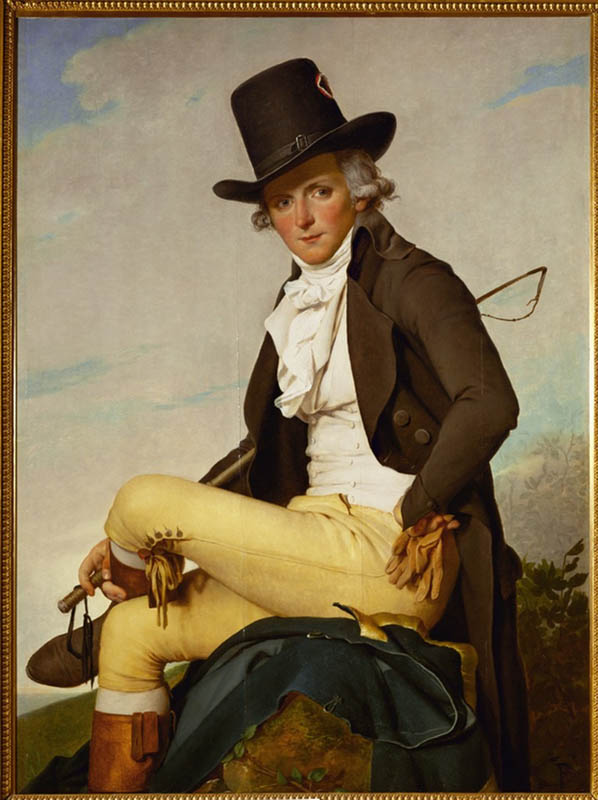
This 1795 oil canvas painting by Jacques-Louis David painting depicts Pierre Seriziat, an elegant and wealthy Frenchman. It can be guessed that the attire he wears is appropriate for the time and his station and wealth.
|
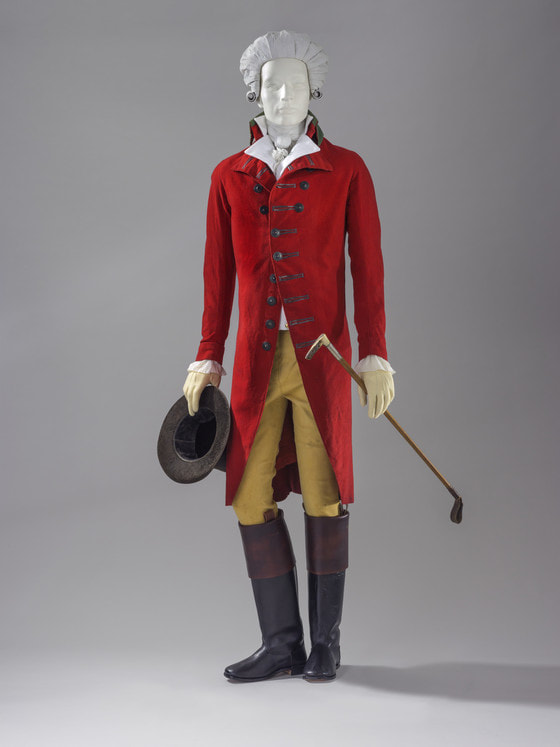
This French or English riding coat originated in the 1780's, and is made of a plain wool weave with metallic thread embroidery.
|
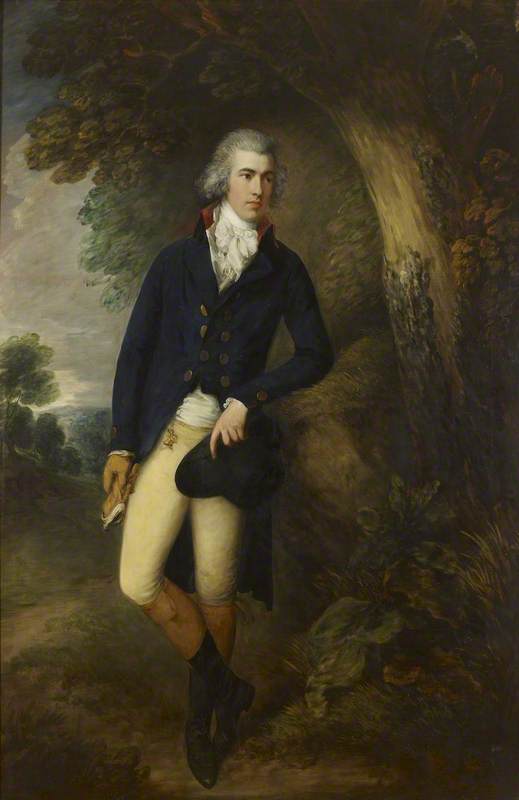
This Thomas Gainsburough painting depicts George Drummond (1758-1789) the second son of the Archbishop of York. Painted around the 1780s, the subject is seen wearing garments appropriate for both the time and station, as George Drummond was a senior partner for Drummonds Bank, signifying he was a man of some wealth.
|
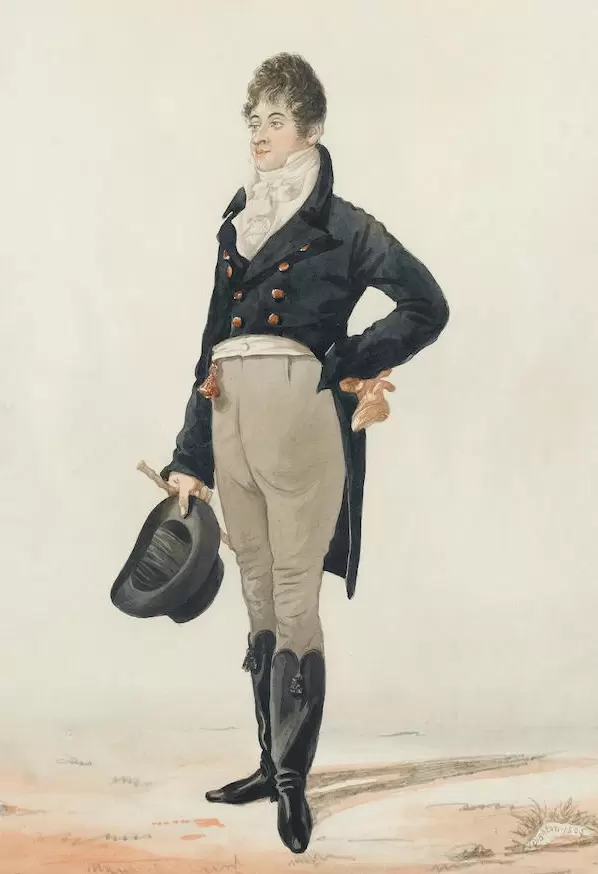
This watercolour painting was done by Robert Dighton in 1805 and depicts a gentleman named Beau Brummell who was known for introducing 'dandyism' and high fashion into regency London. He is credited for bringing the modern formal mens suit into fashion.
|
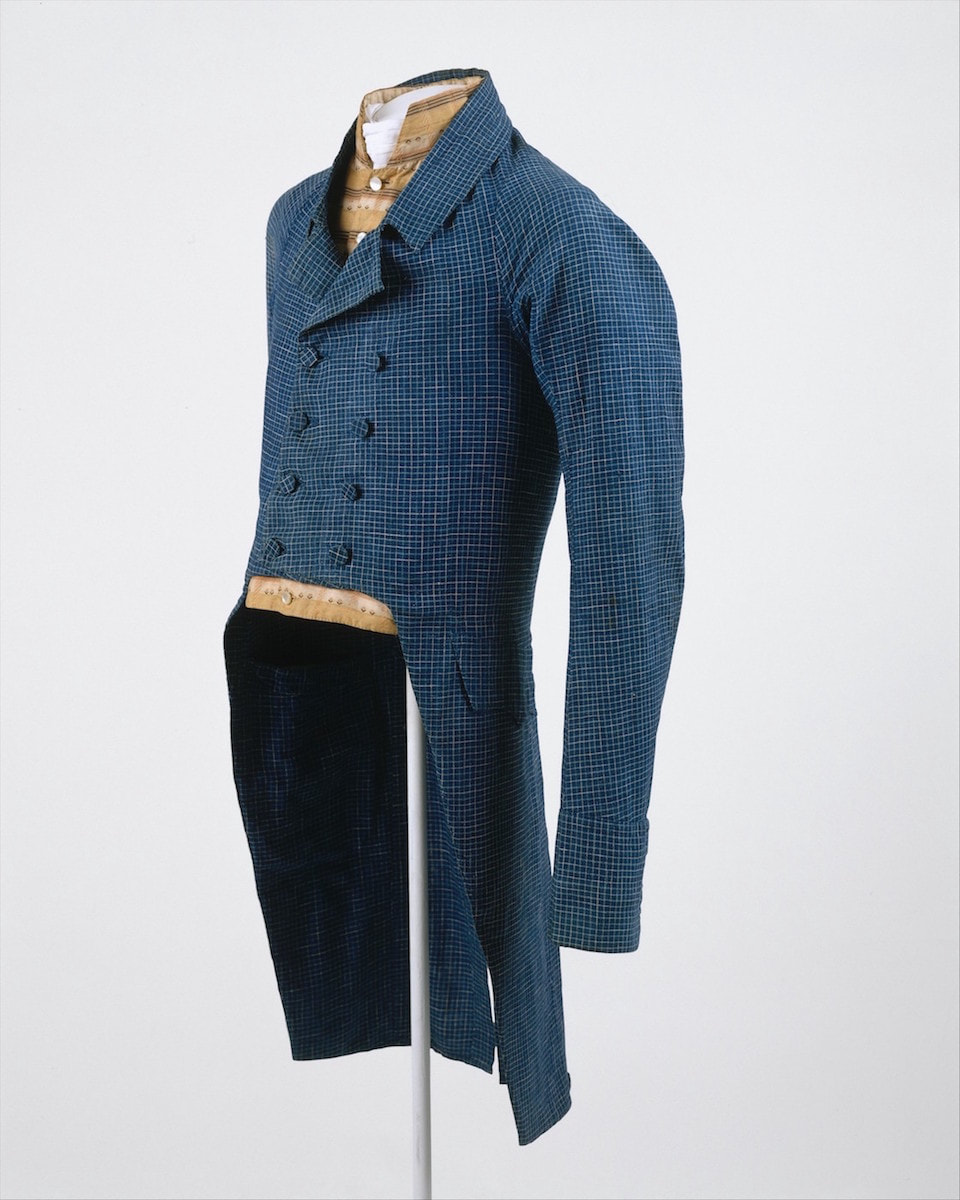
This is a linen coat originating from America in 1815.
|
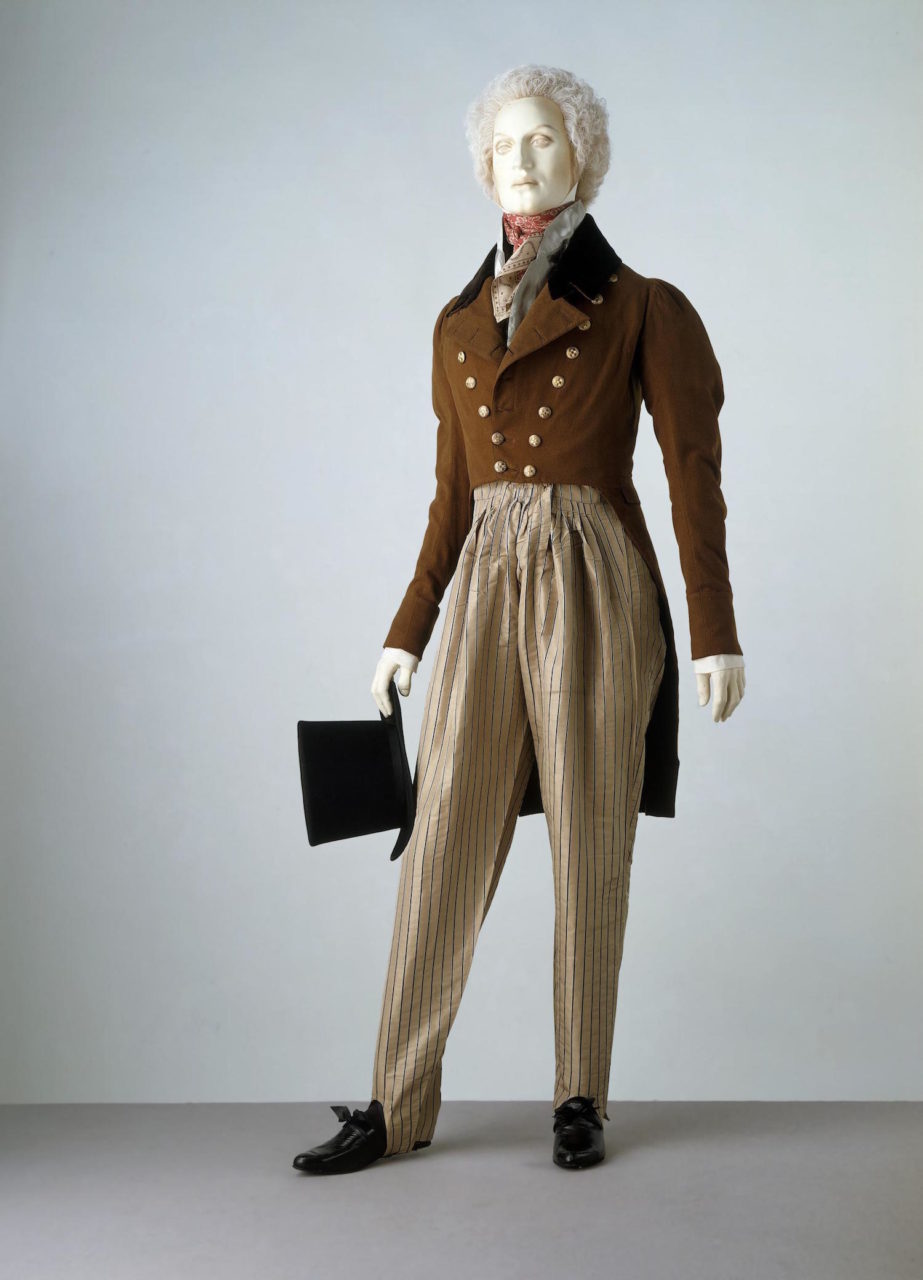
These cossack trousers were made between 1820-1830 somewhere in Britain, and were constructed of silk with cotton lining on the inside.
|
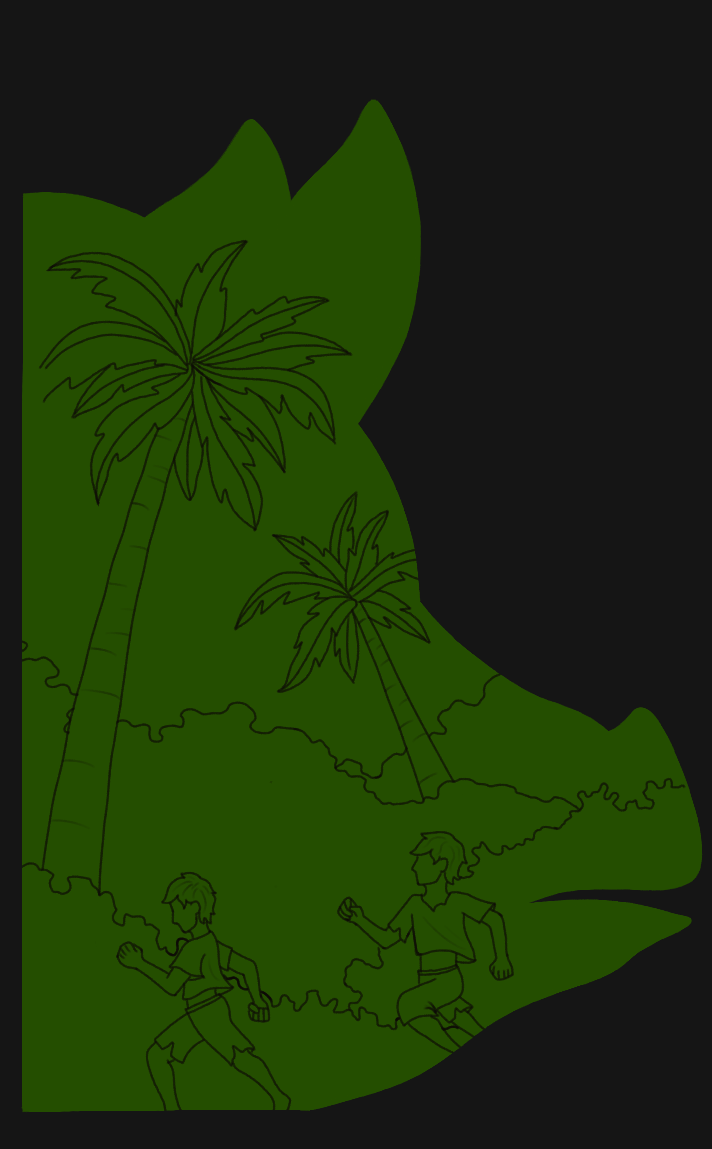
Lord Of The Flies - In the midst of a wartime evacuation, a British aeroplane crashes on or near an isolated island in a remote region of the Pacific Ocean.
WW2 =1941-1945
- Include information about the time.
Include historical clothing
- Include information about the setting -
Island plants + environments
Brief research into ww2 planes?
Macbeth - Macbeth is set during the 11th century in Scotland.
- Include information about the time.
Include historical clothing men + women
- Include information about the setting -
Scotland
Architecture and castles
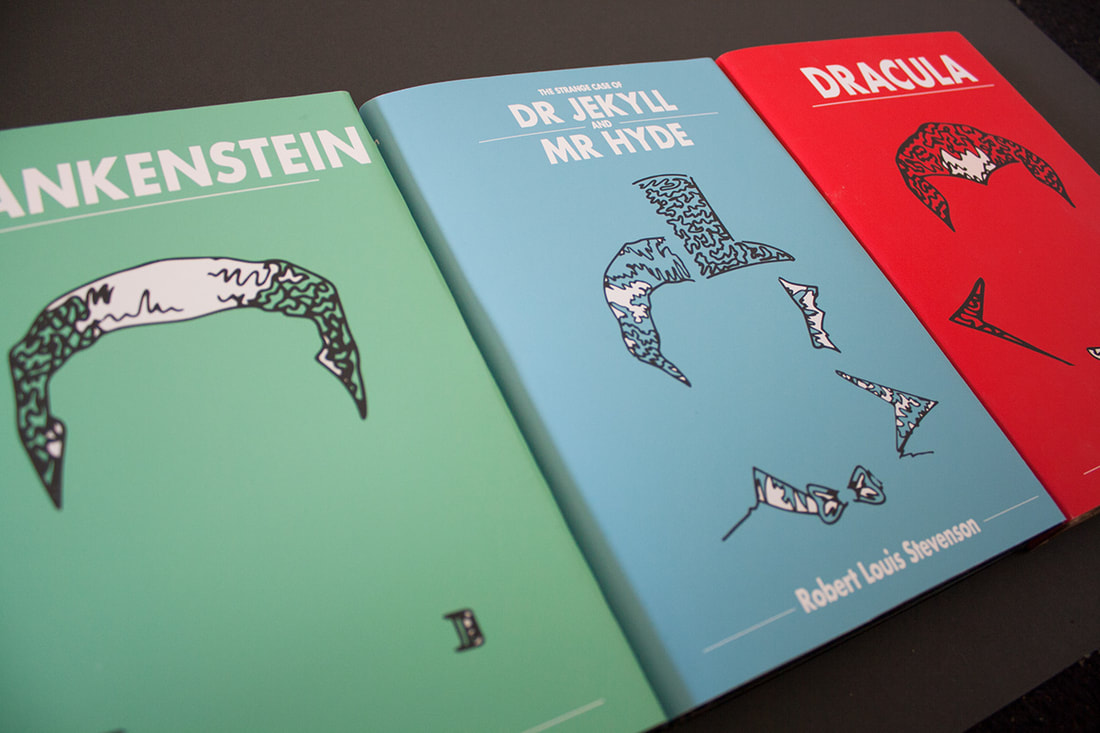
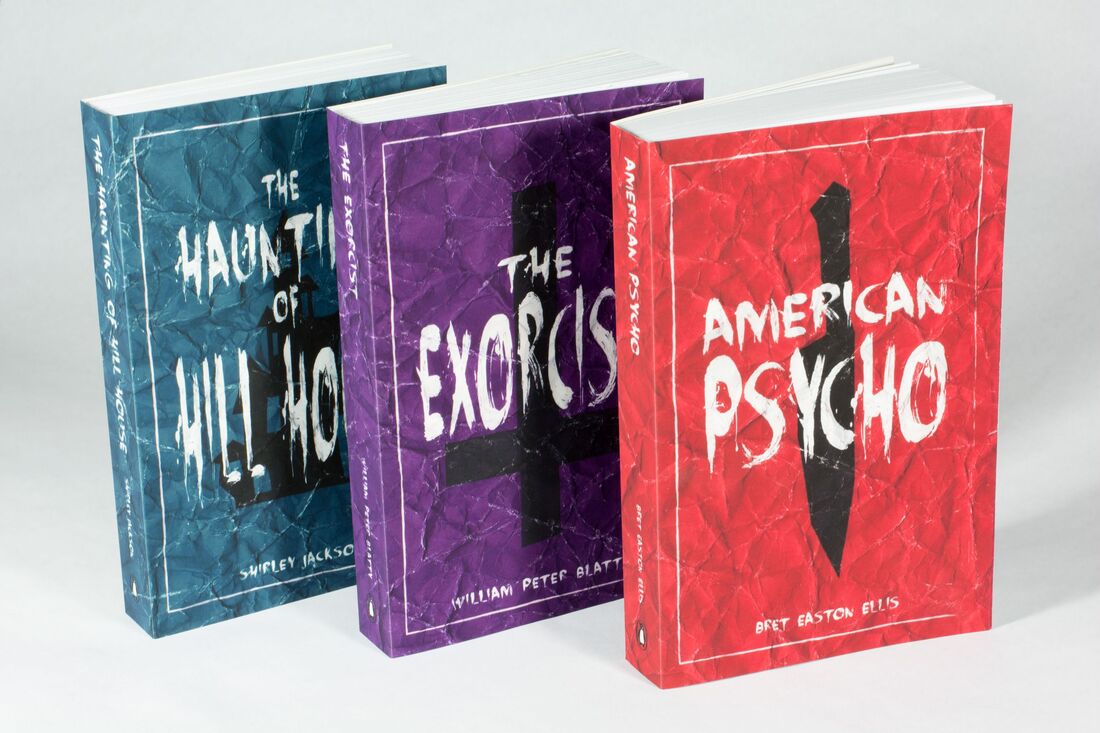
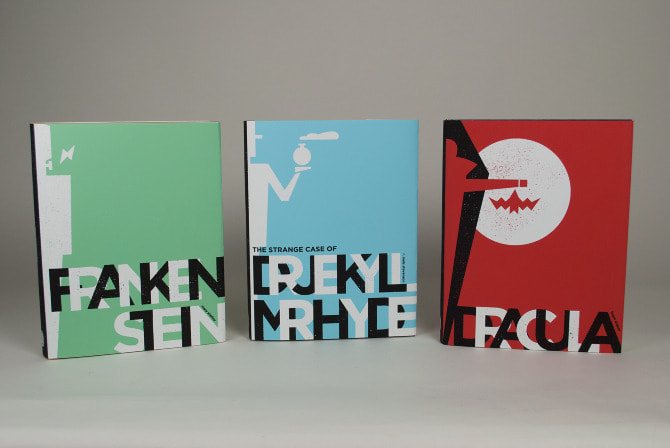
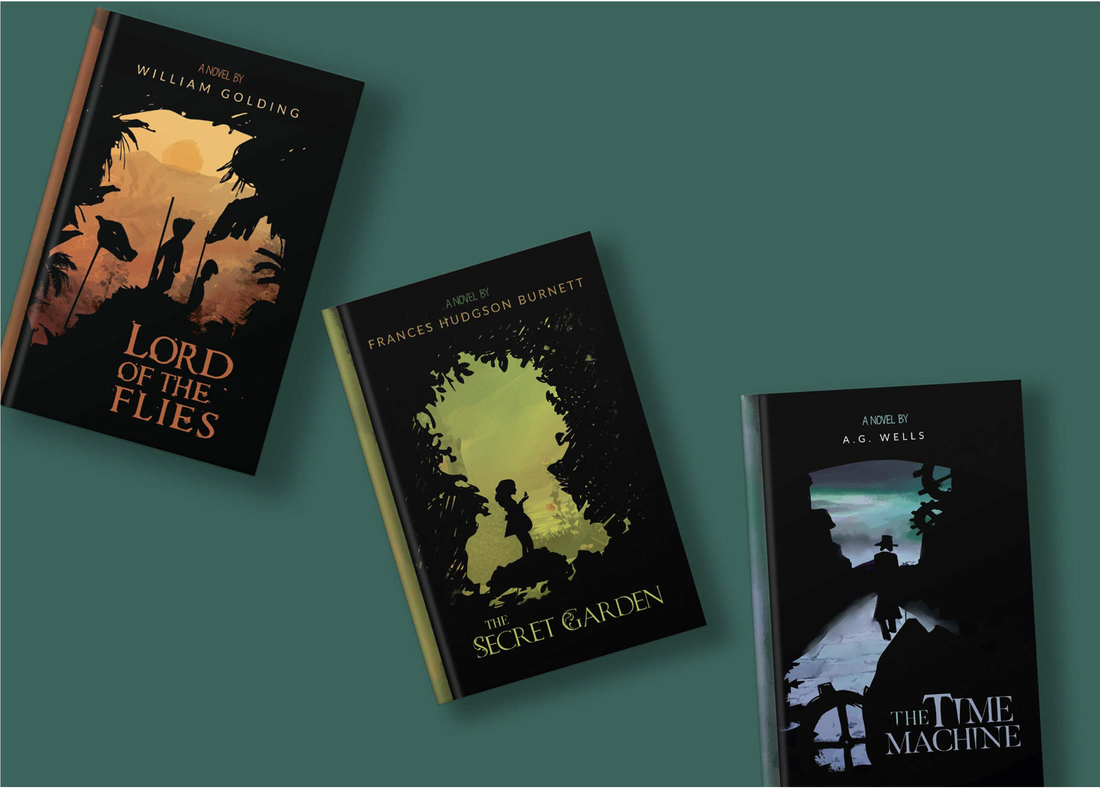
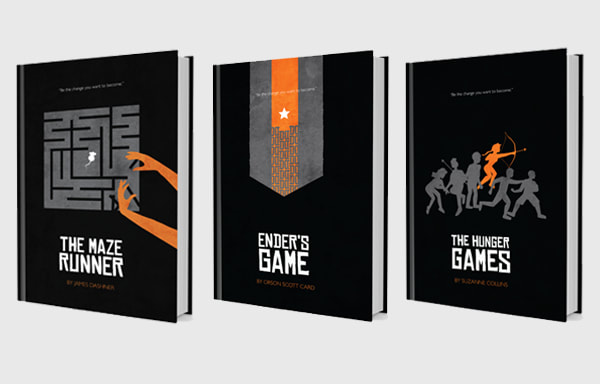
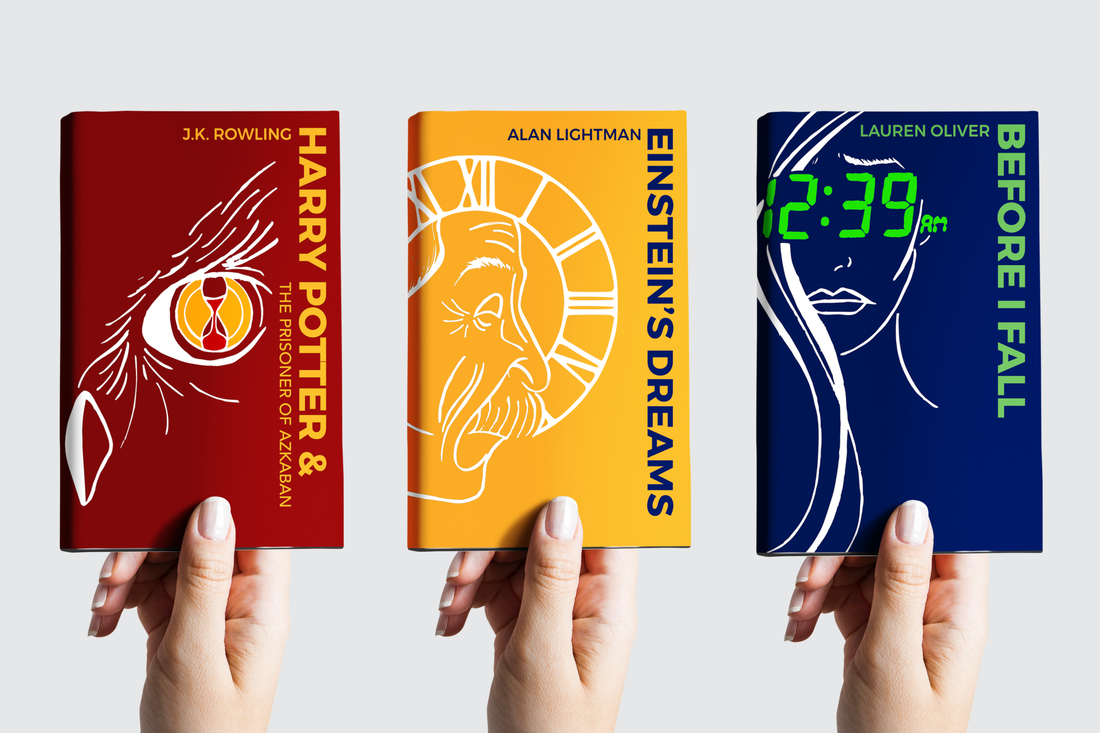
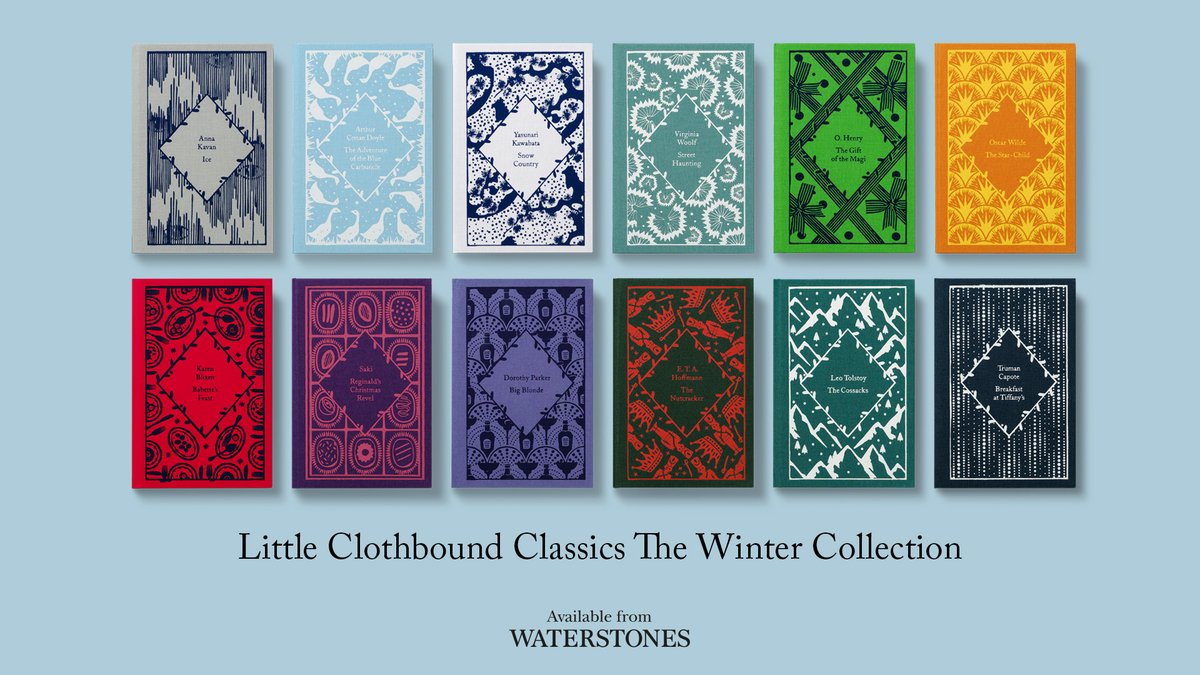
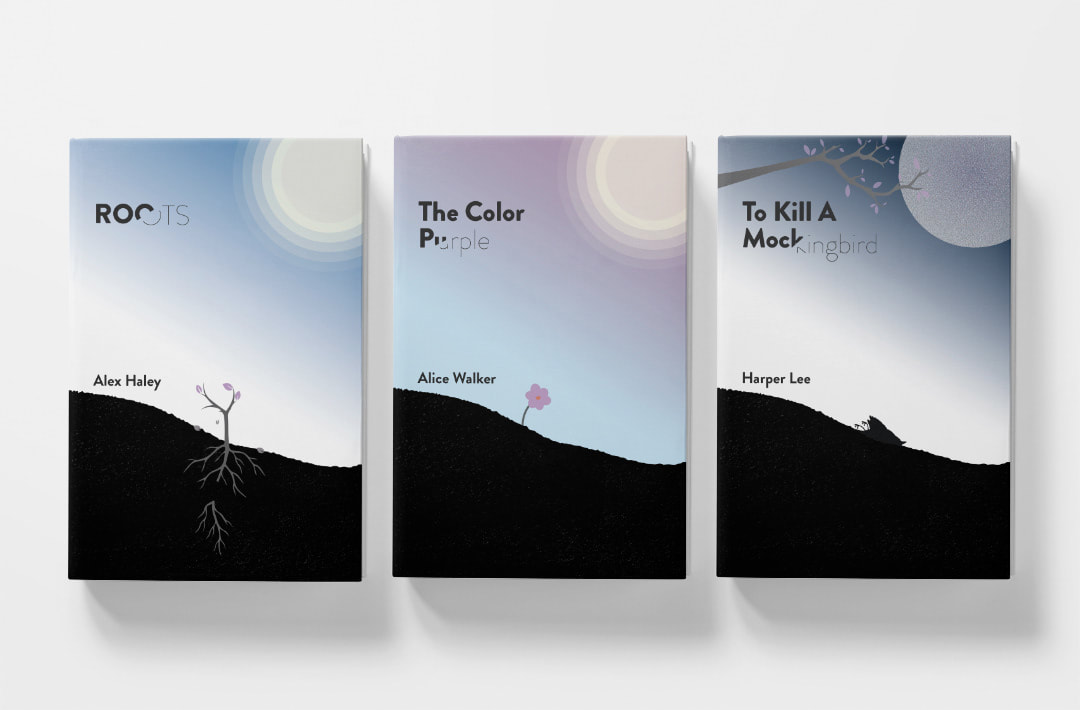
Existing cohesive book jackets
|
|
|
|
|
|
|
|
"The bookjacket project provides a unique design problem because each story can stand for itself, however we have to find ways to connect the dots and make the targeted audience have a reason to connect the books together. We have several ways that we can provide this connection; including color, text treatment, hierarchy, composition, patterns, and more." - Voranouth Supadulya
|
|
|
|
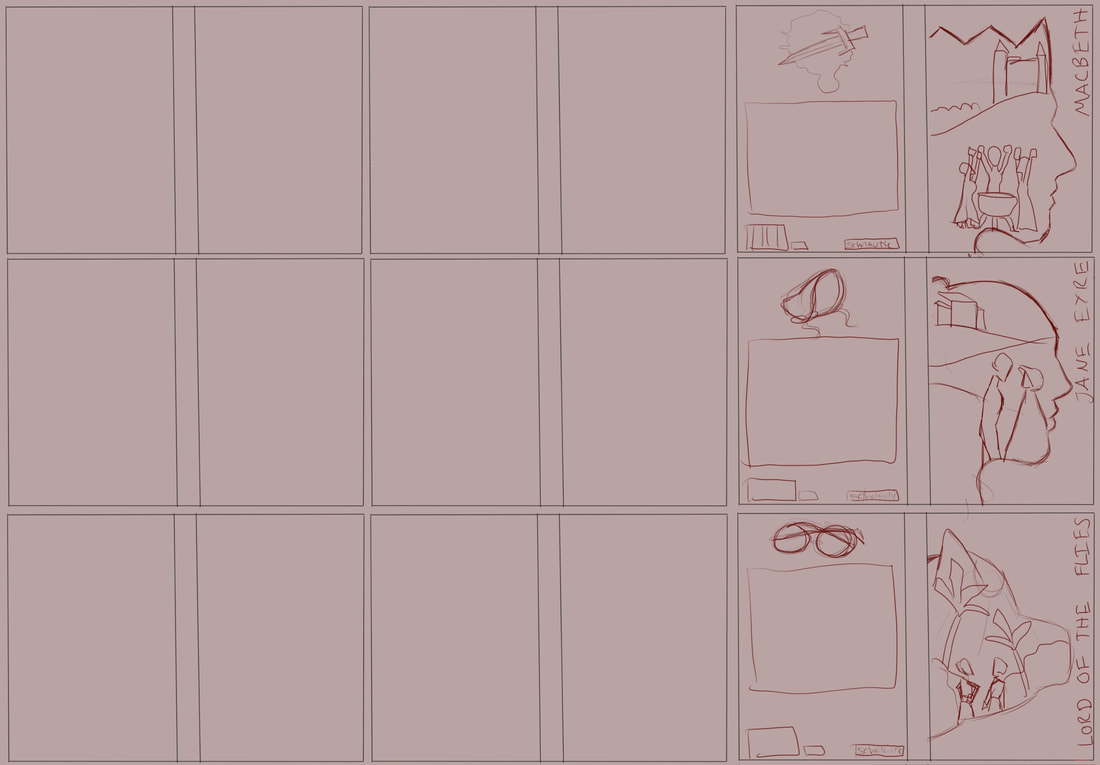
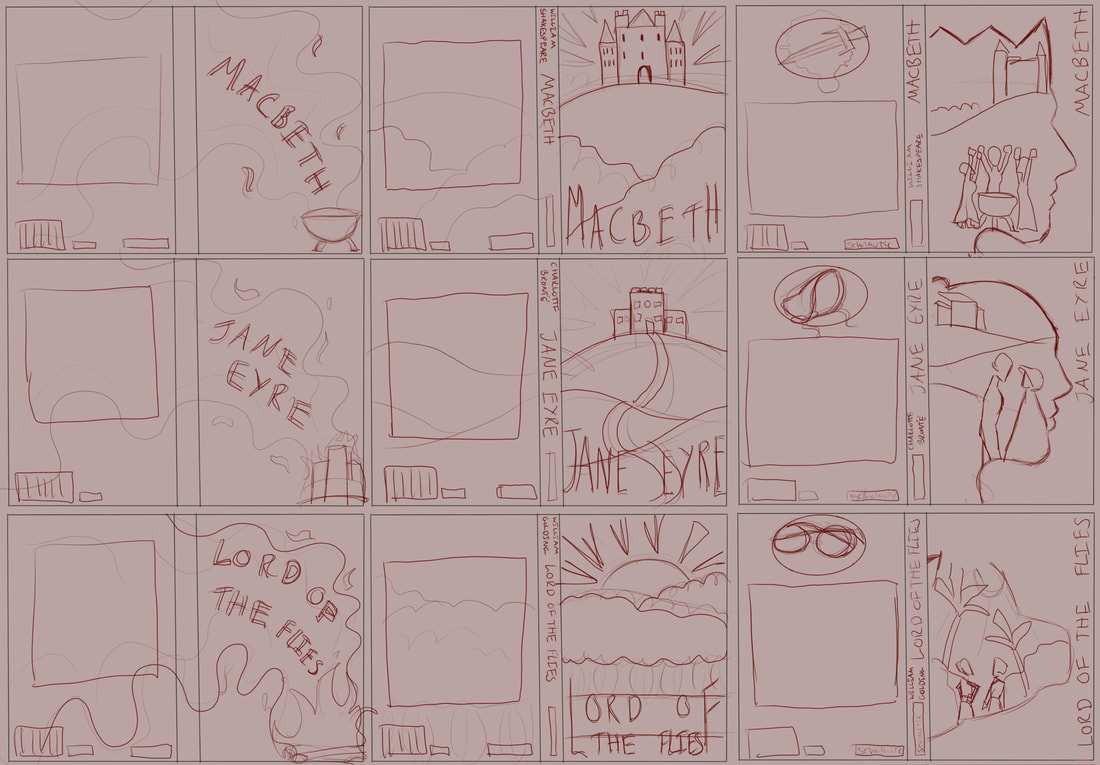
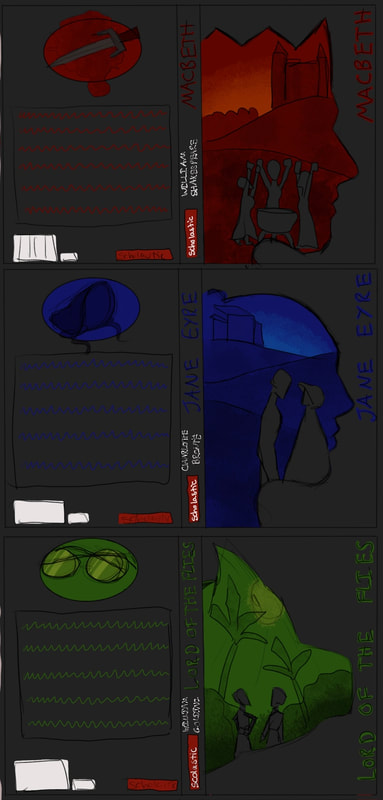
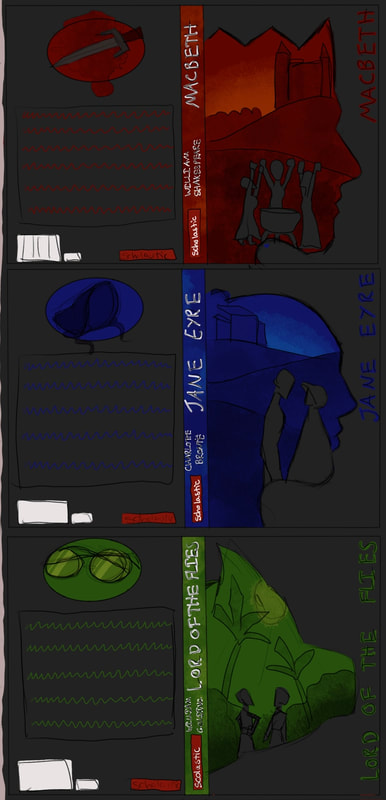
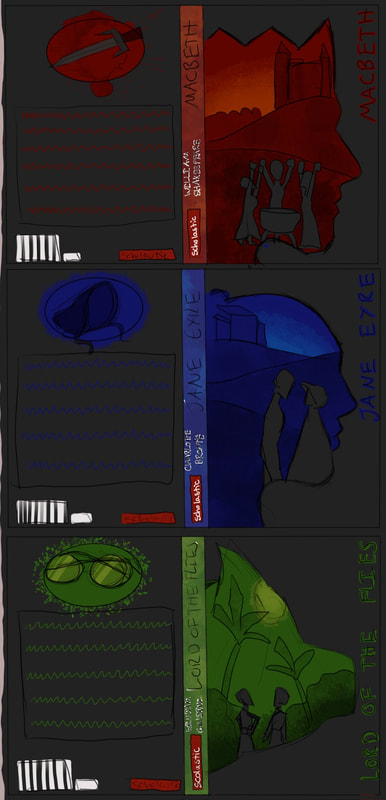
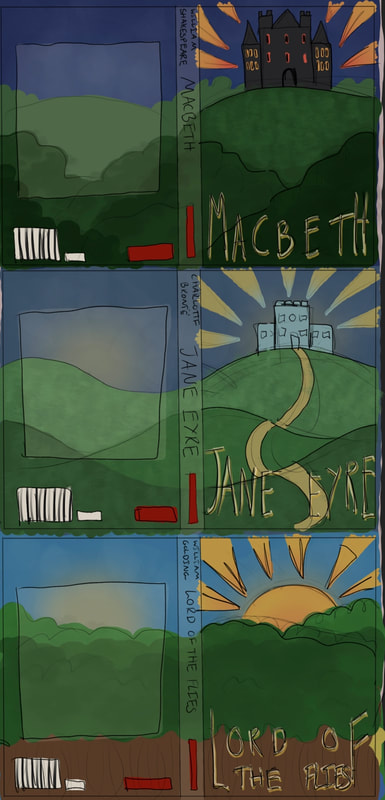
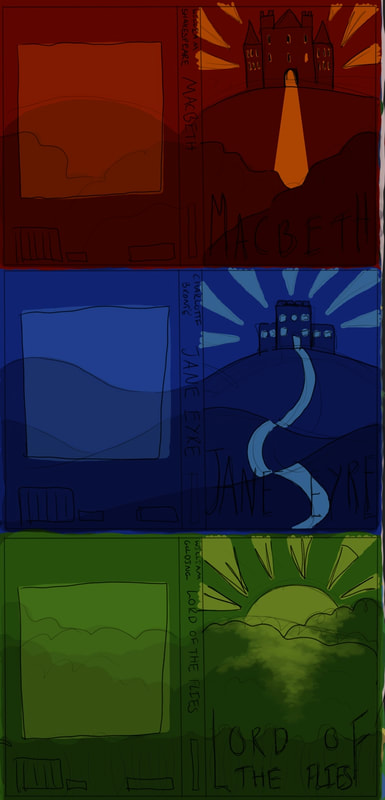
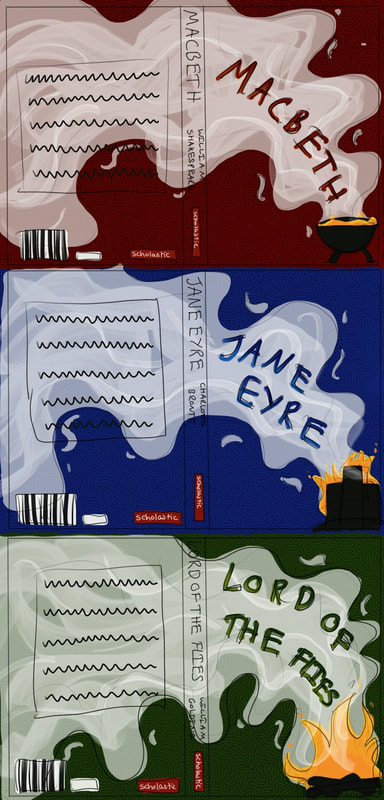
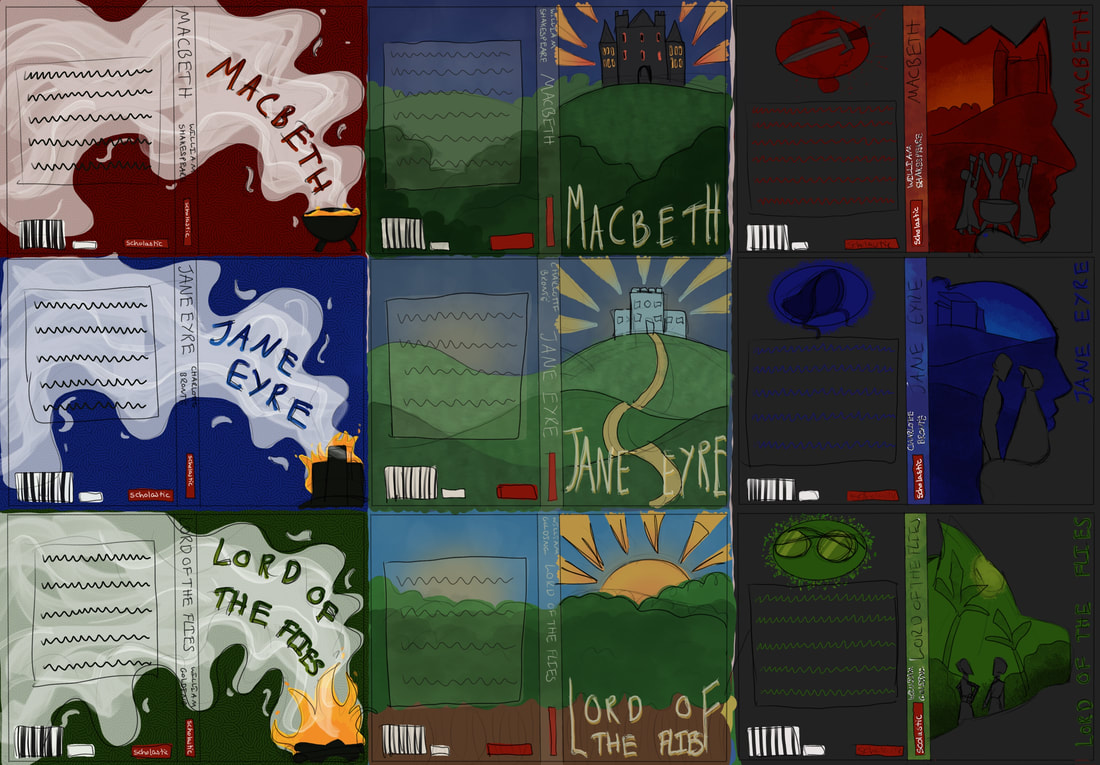
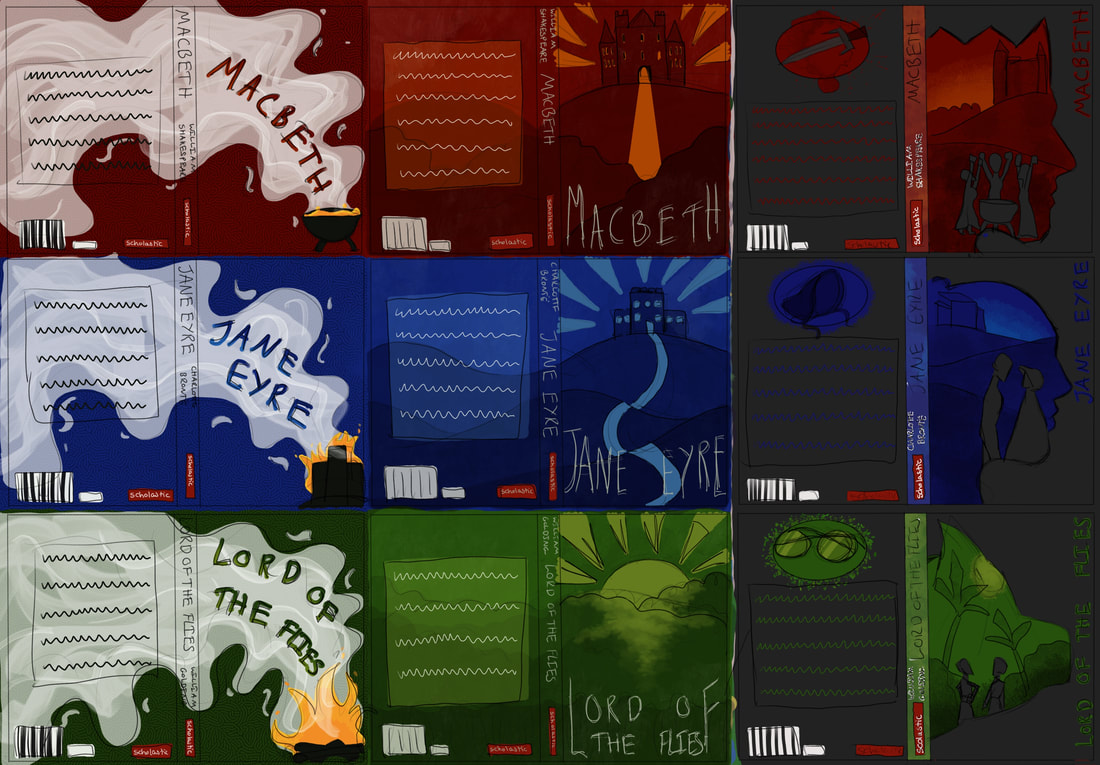
Here are some rough coloured thumbnails of this series of book jackets.
|
|
|
|
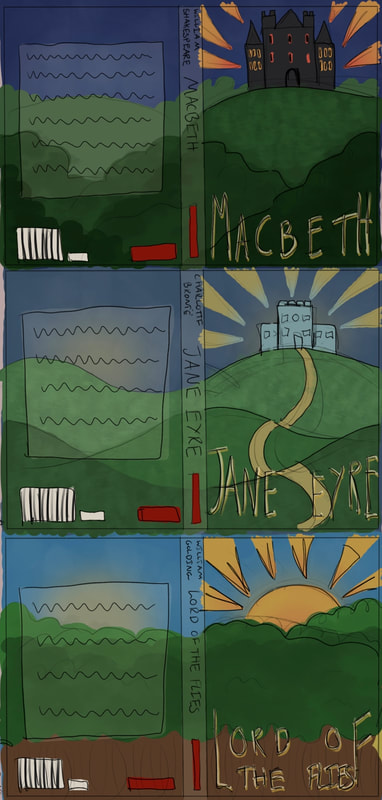
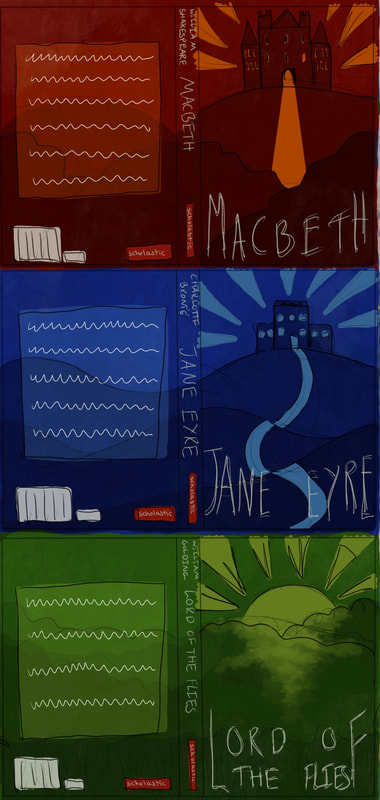
|
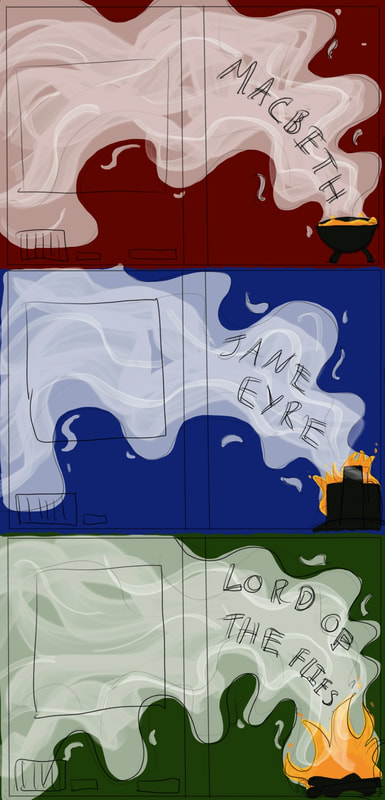
|
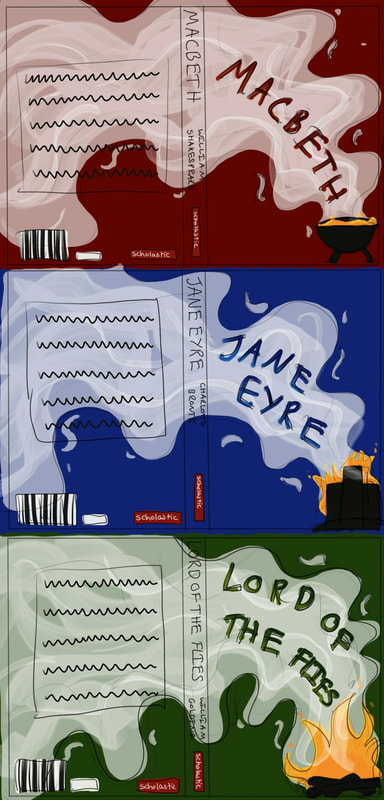
|
|
|
|
Typography
|
|
|
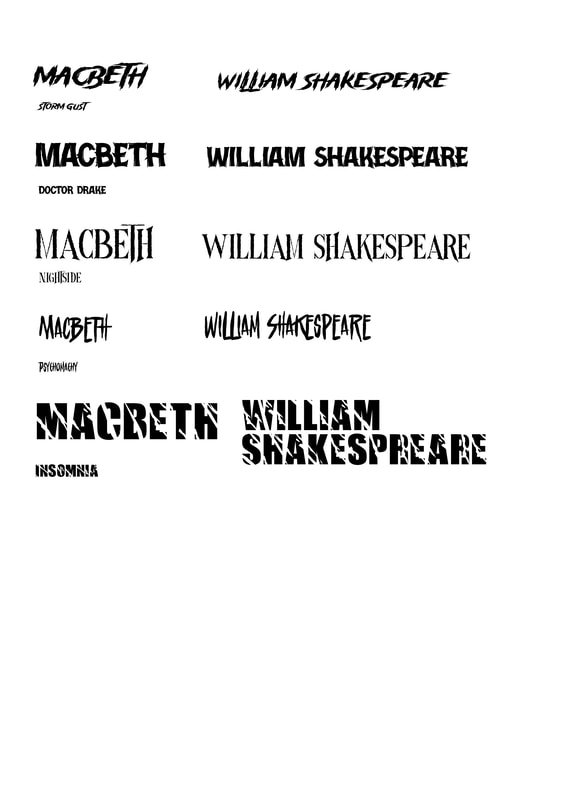
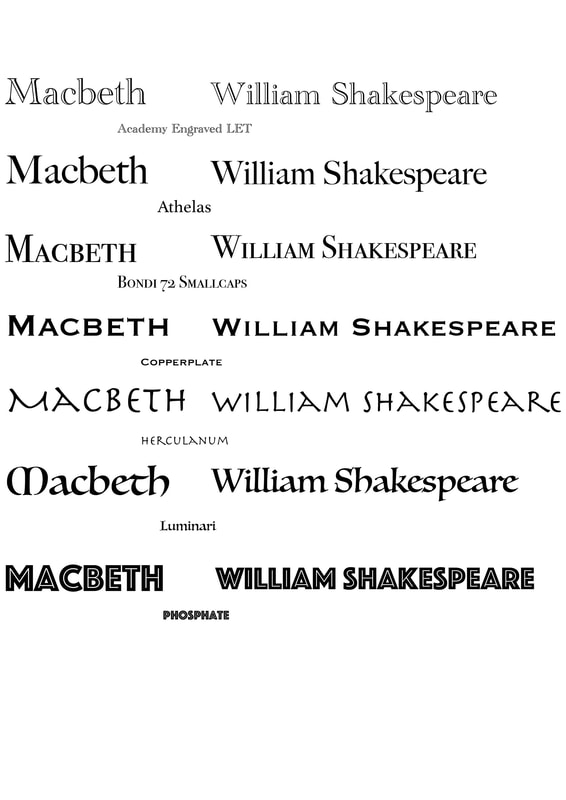
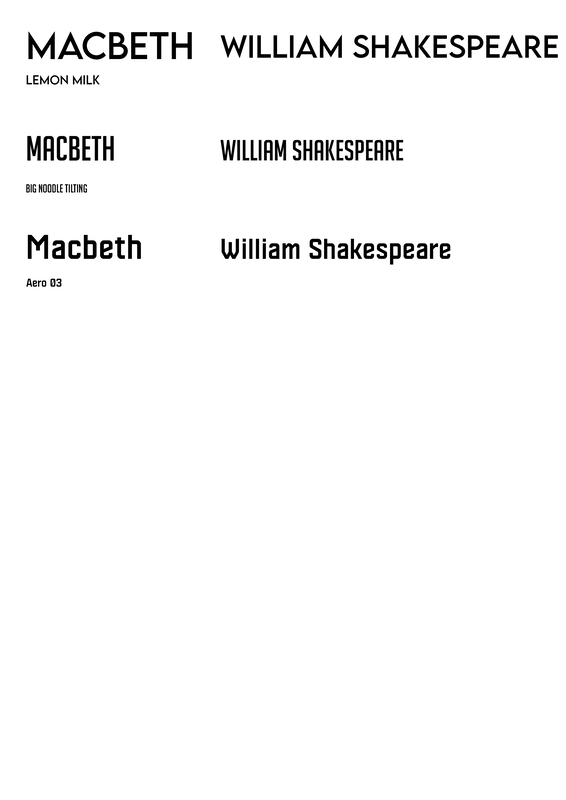
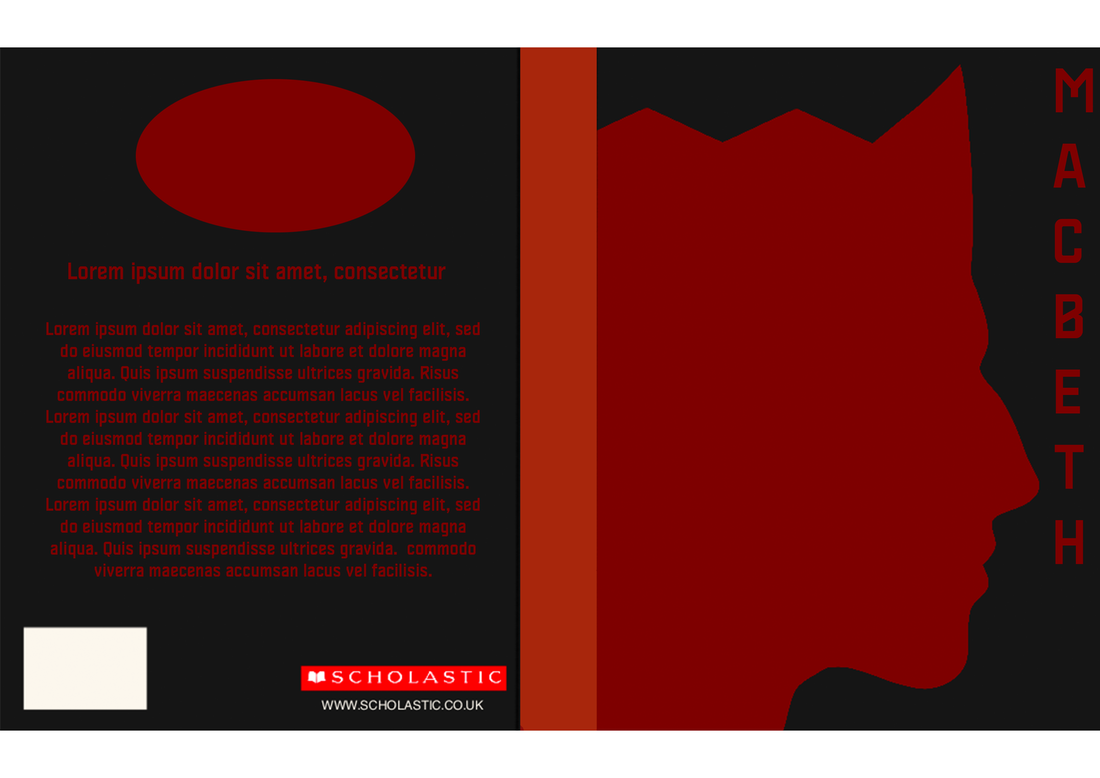
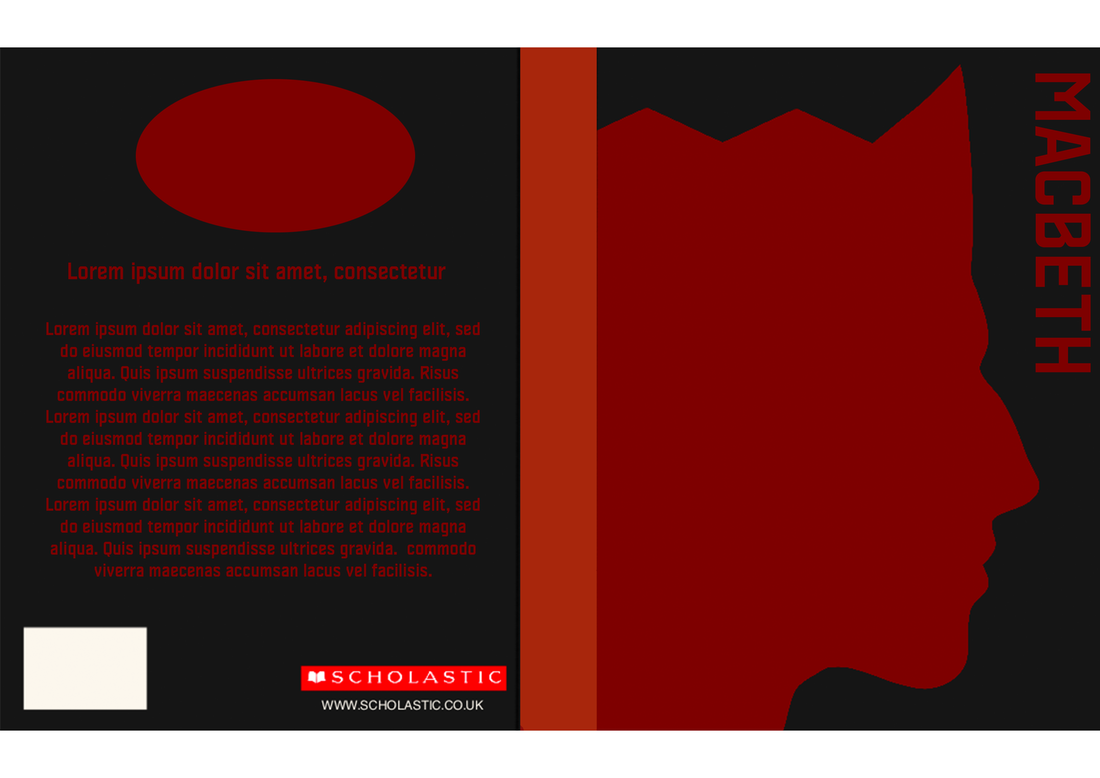
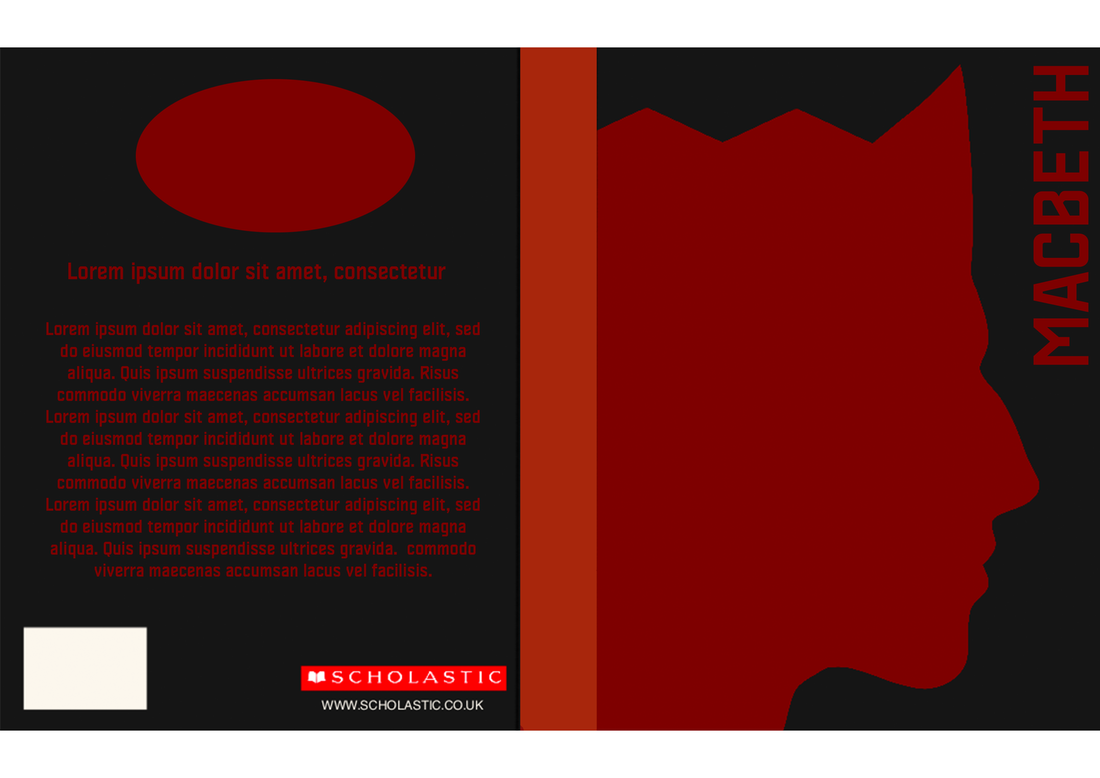
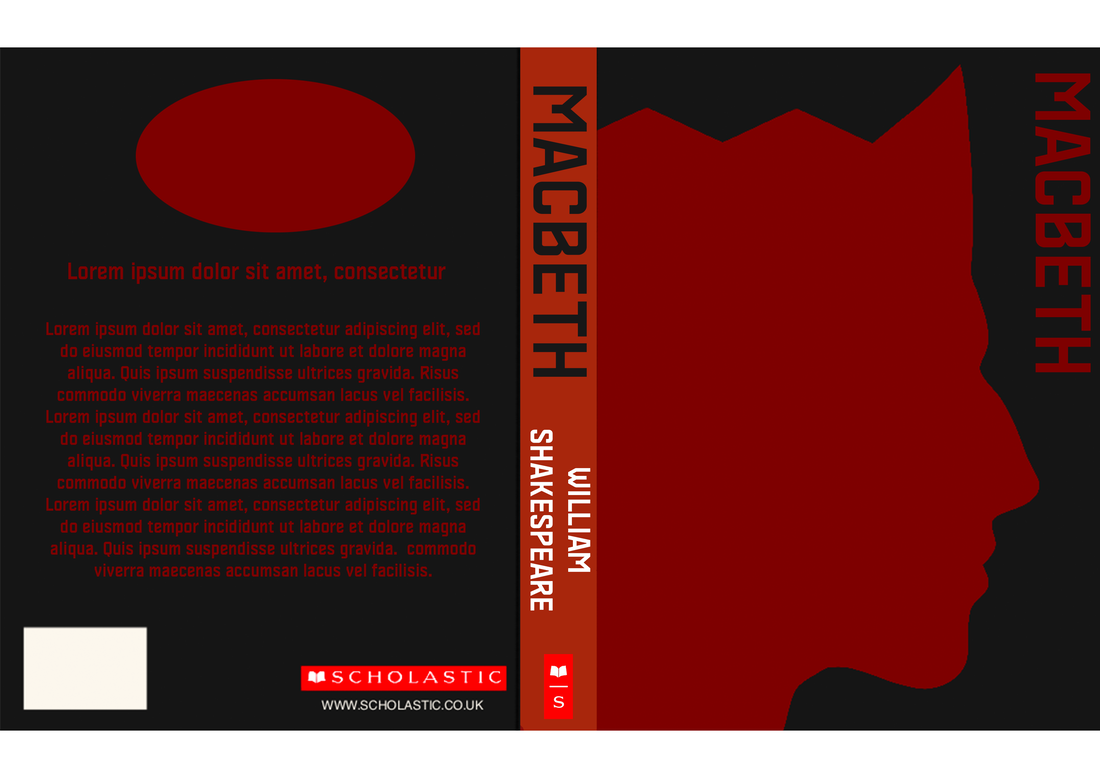
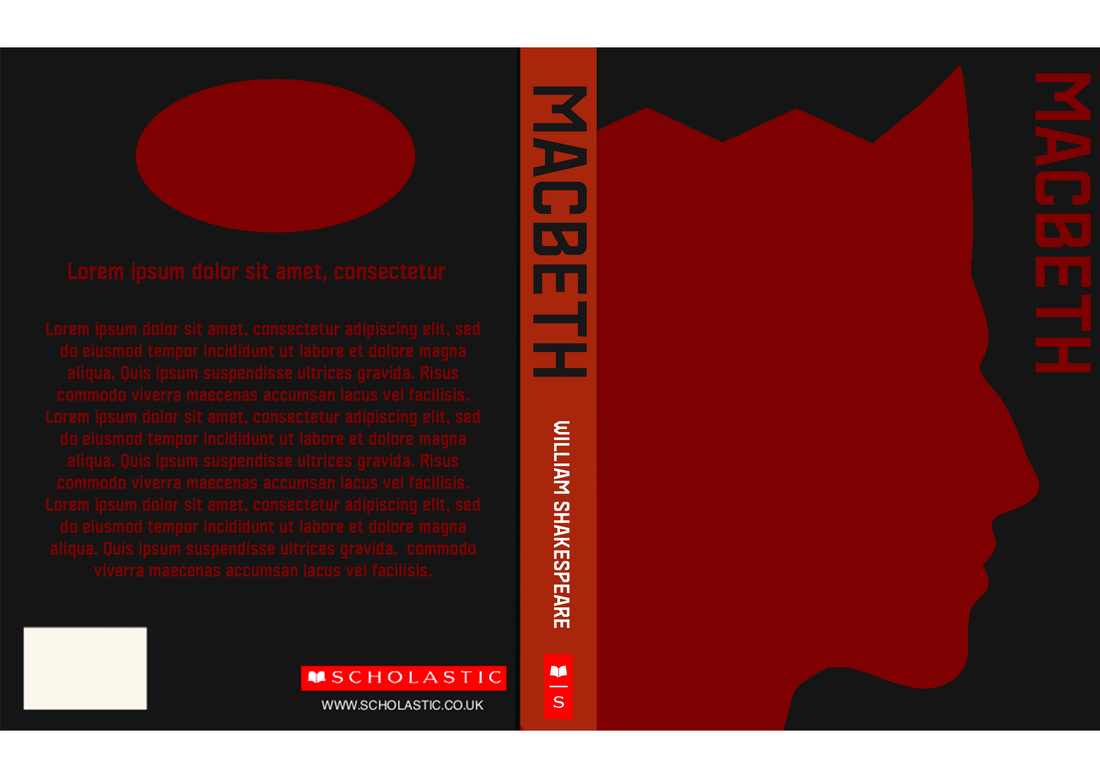
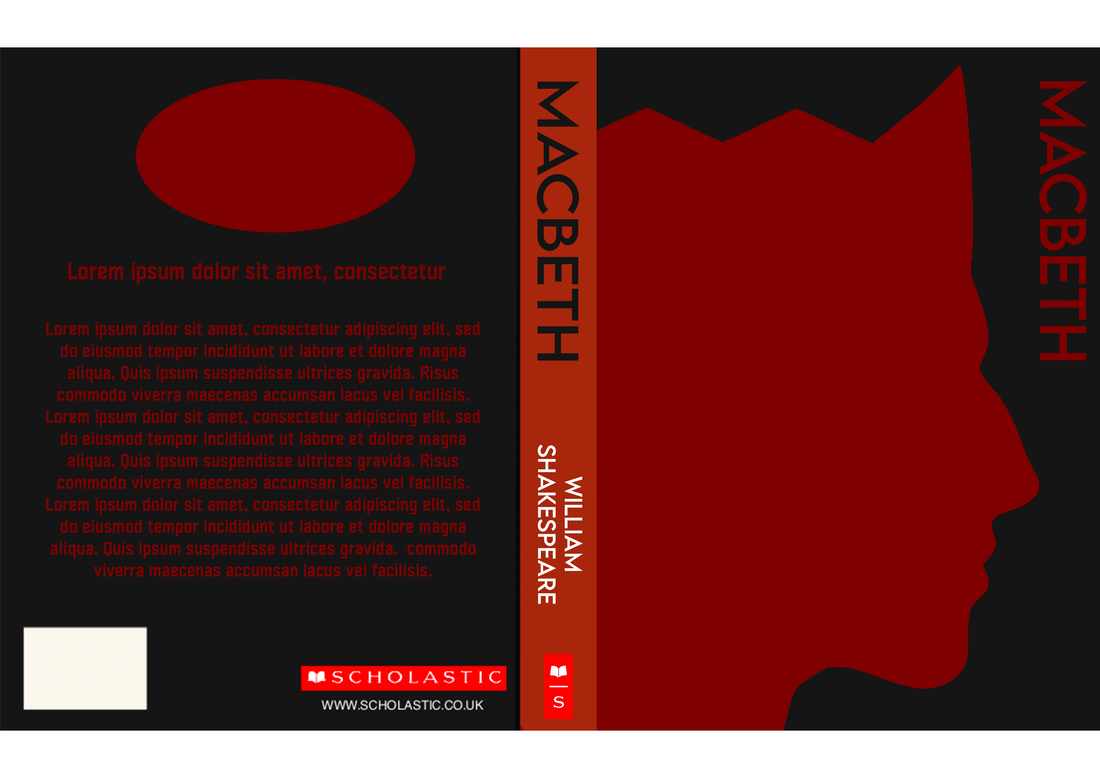
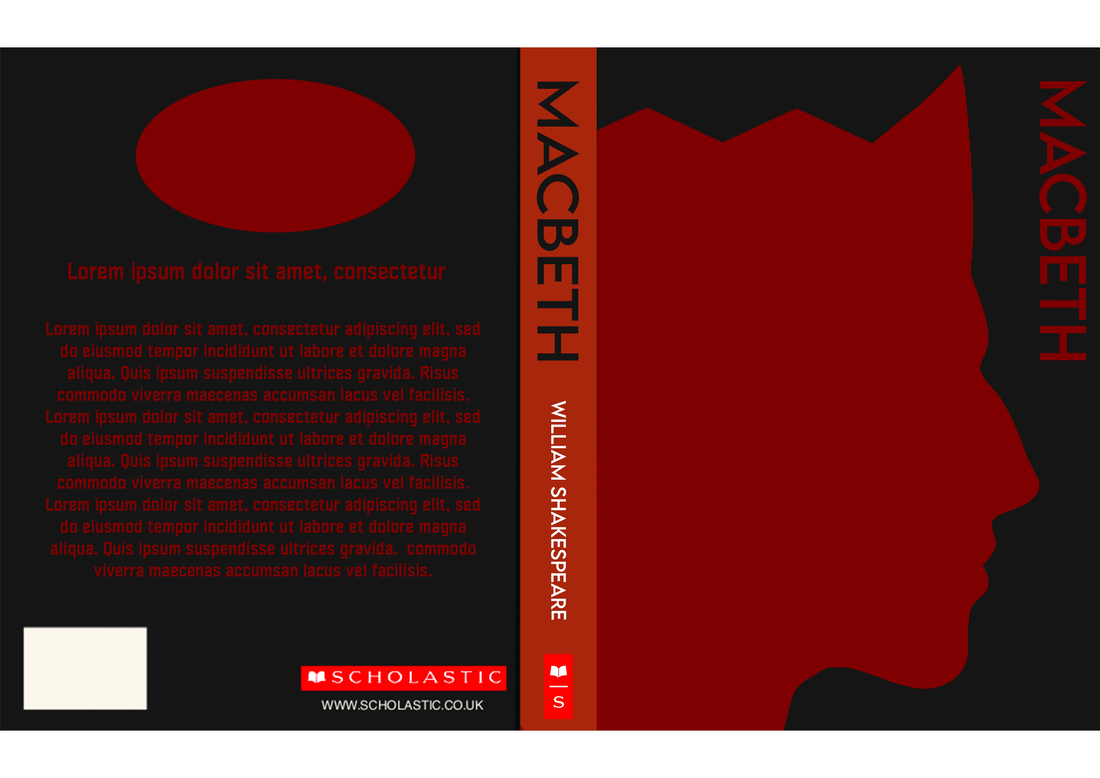
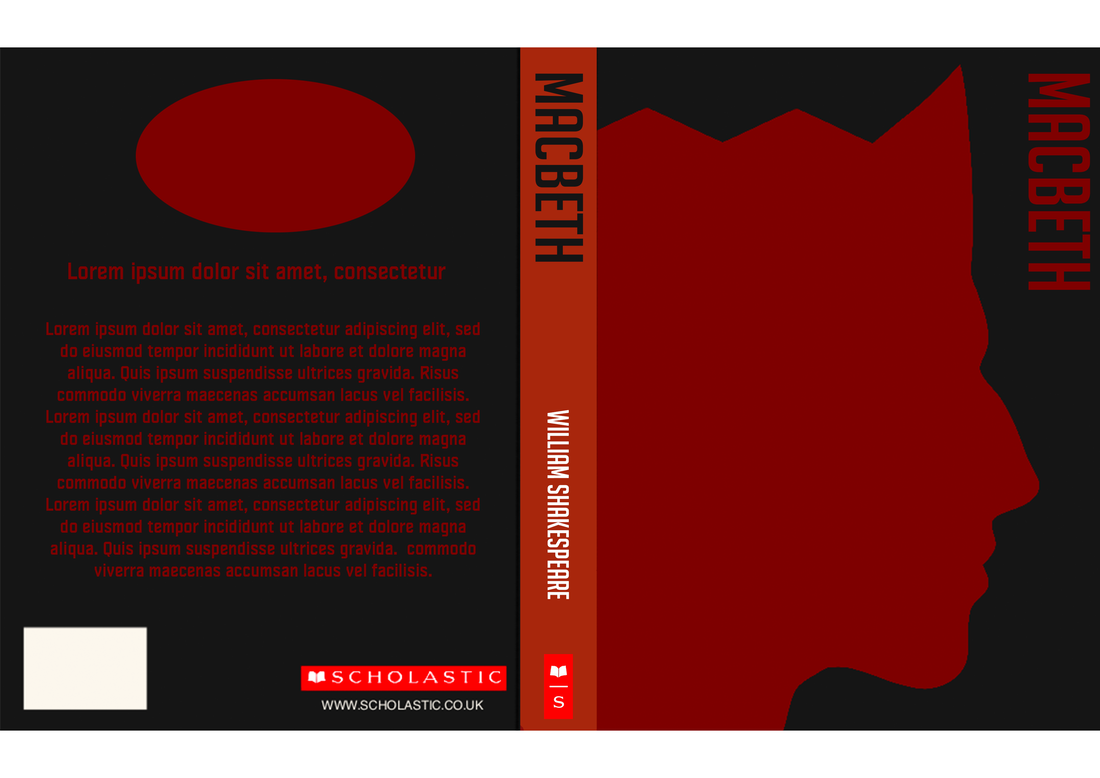
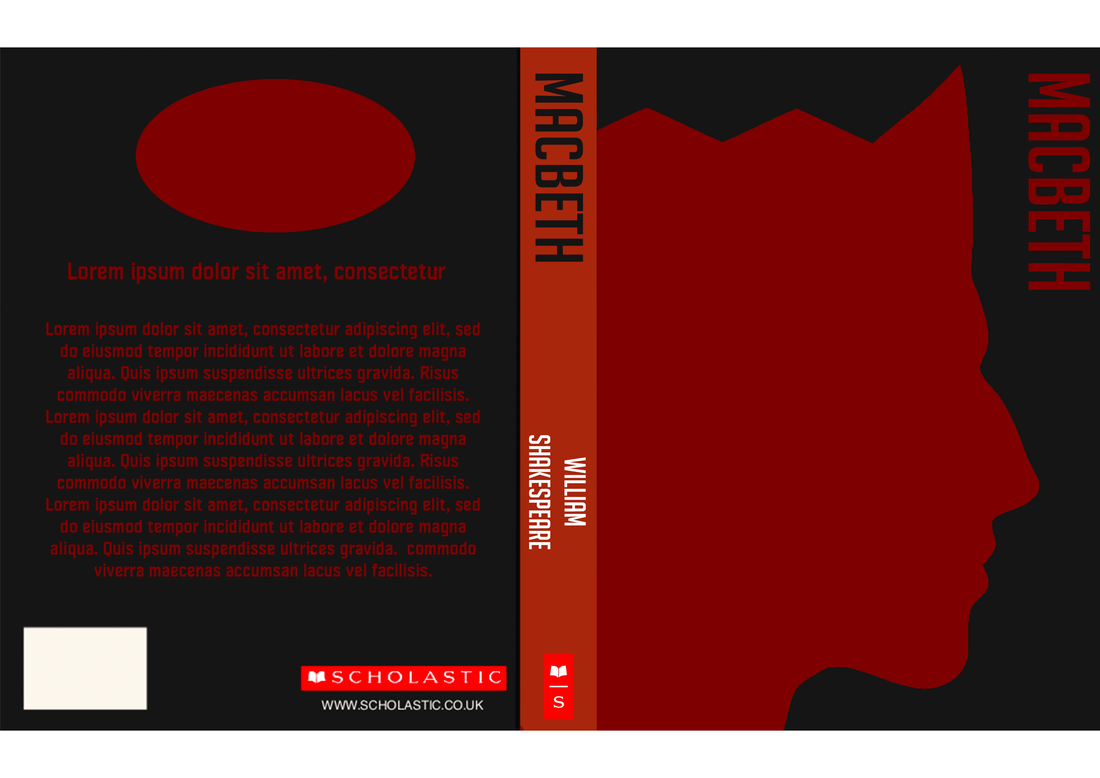
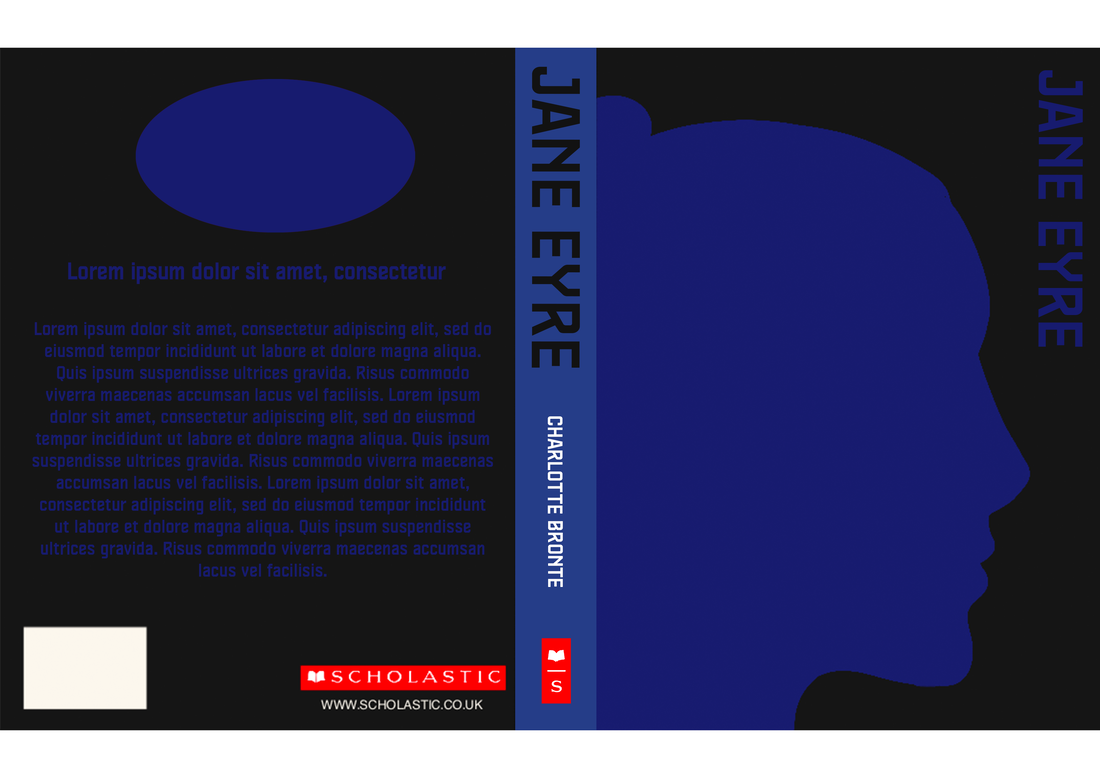
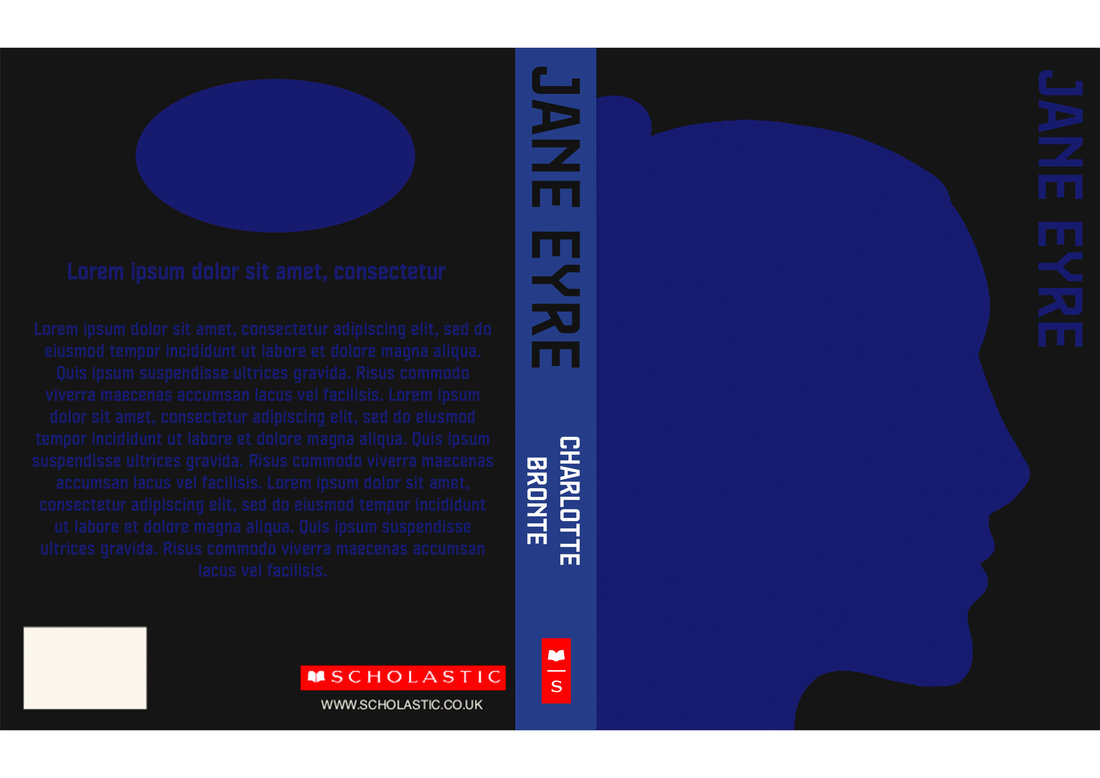
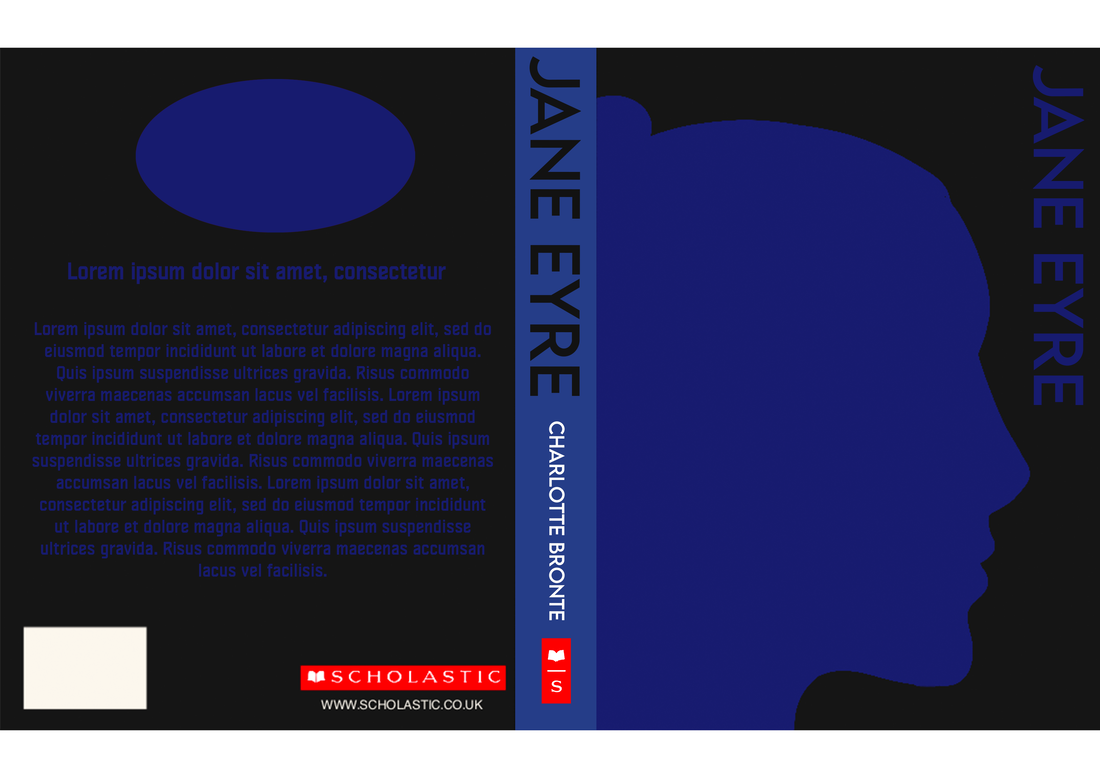
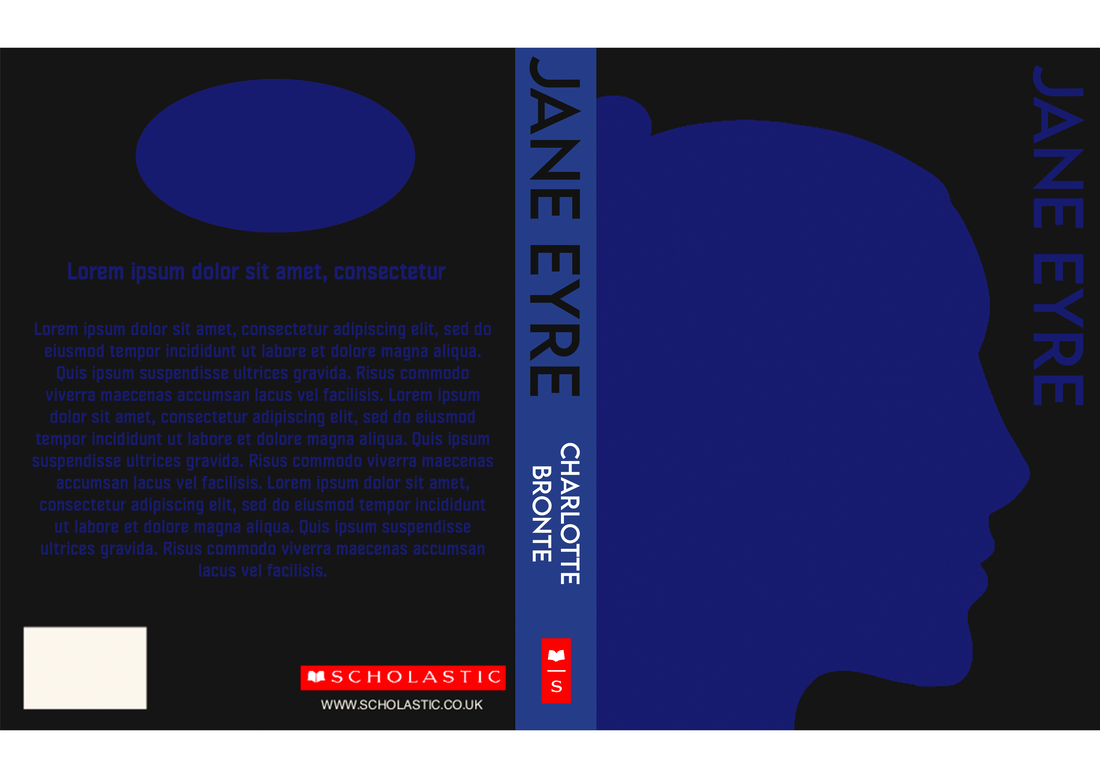
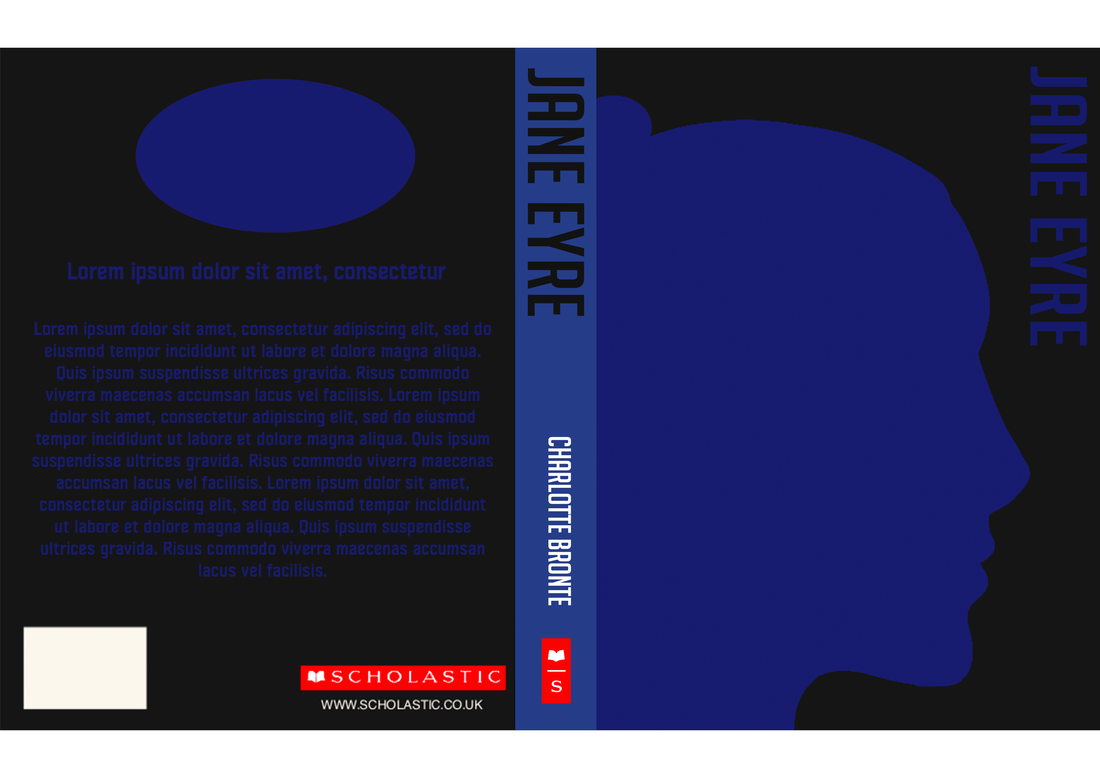
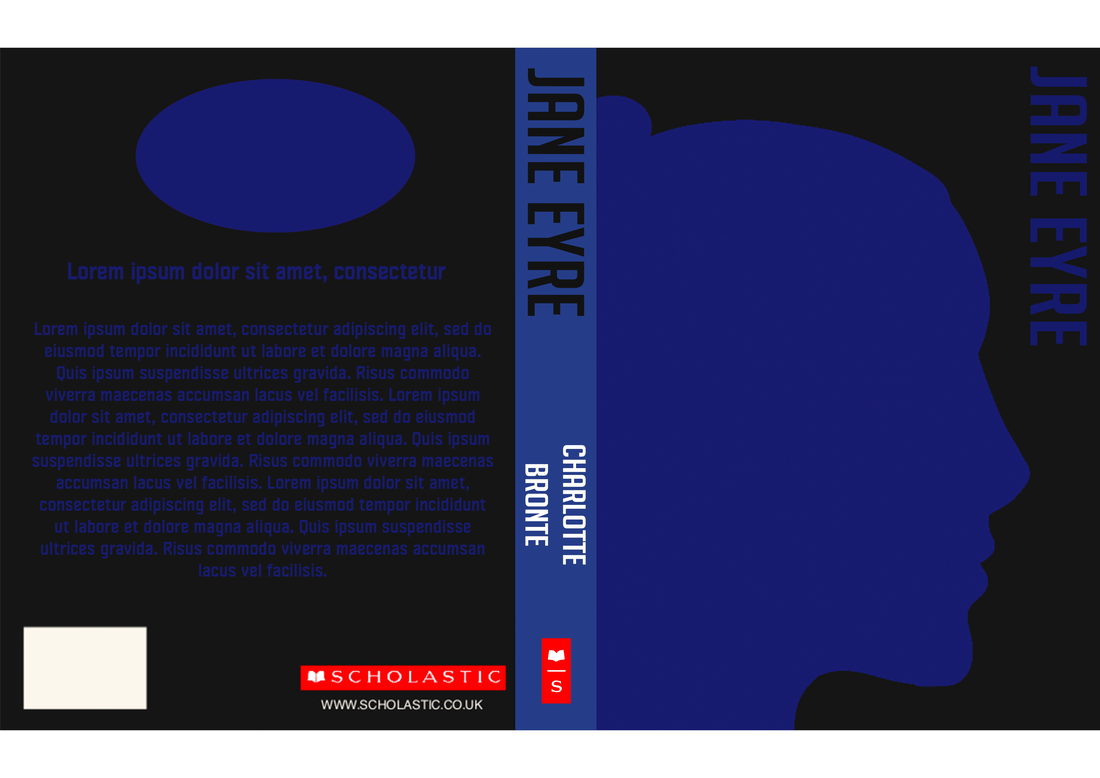
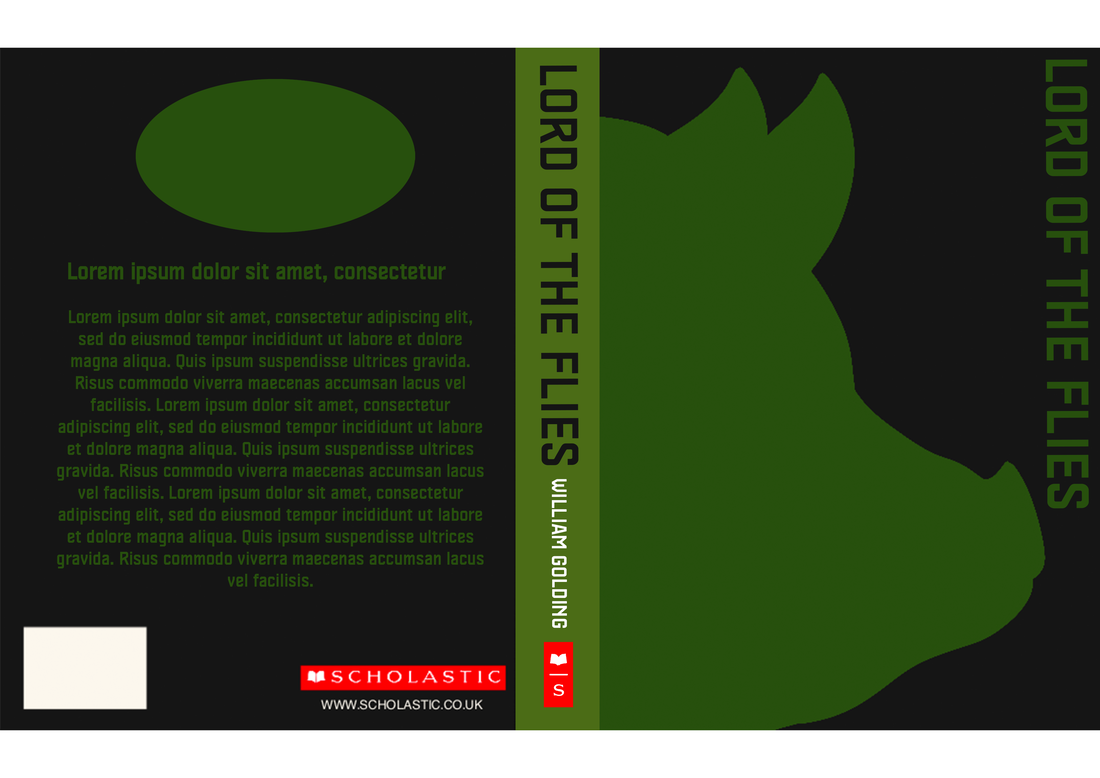
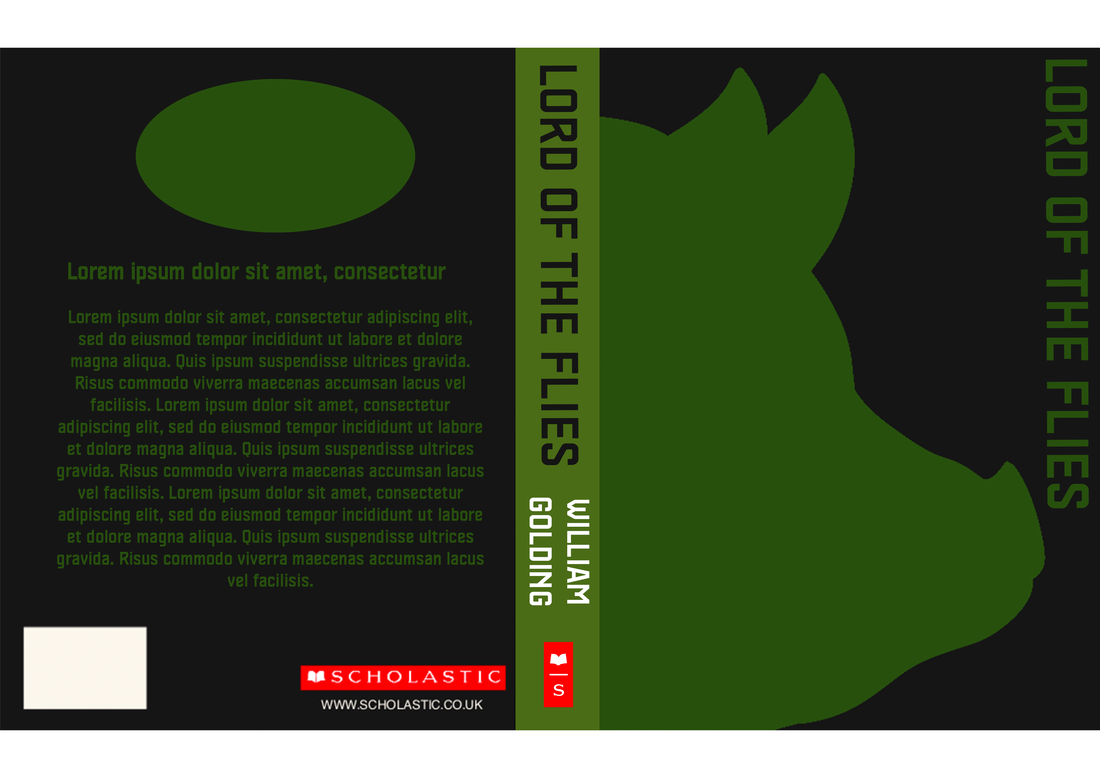
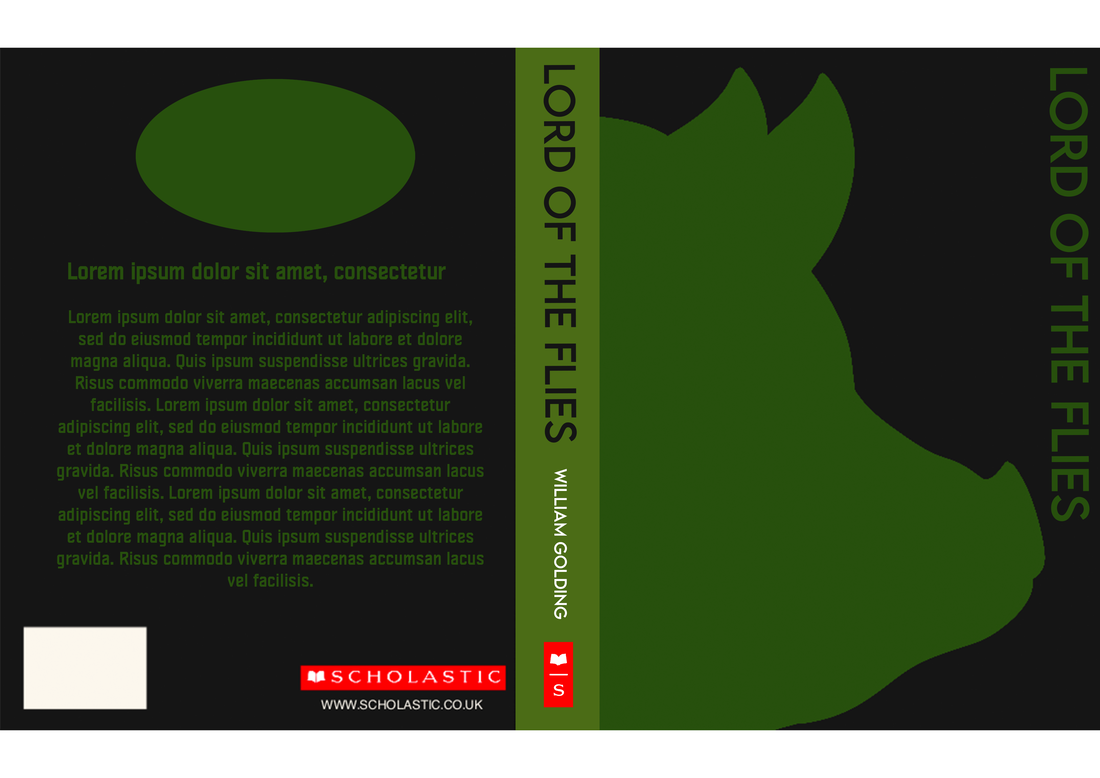
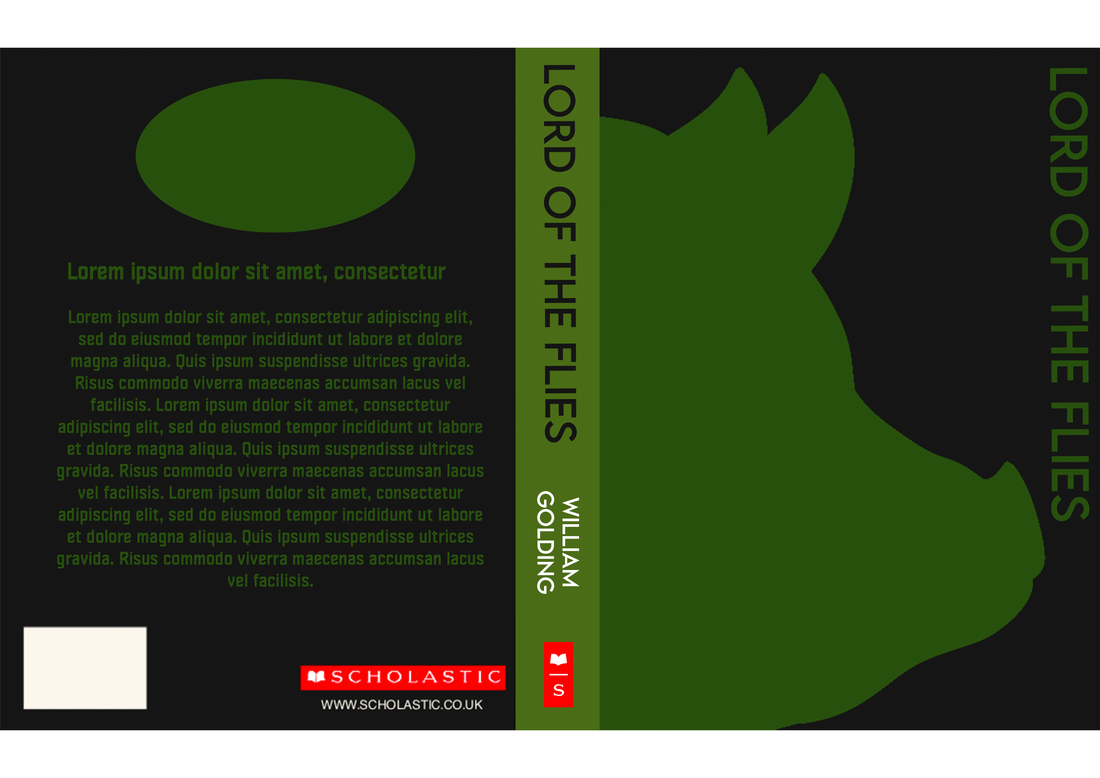
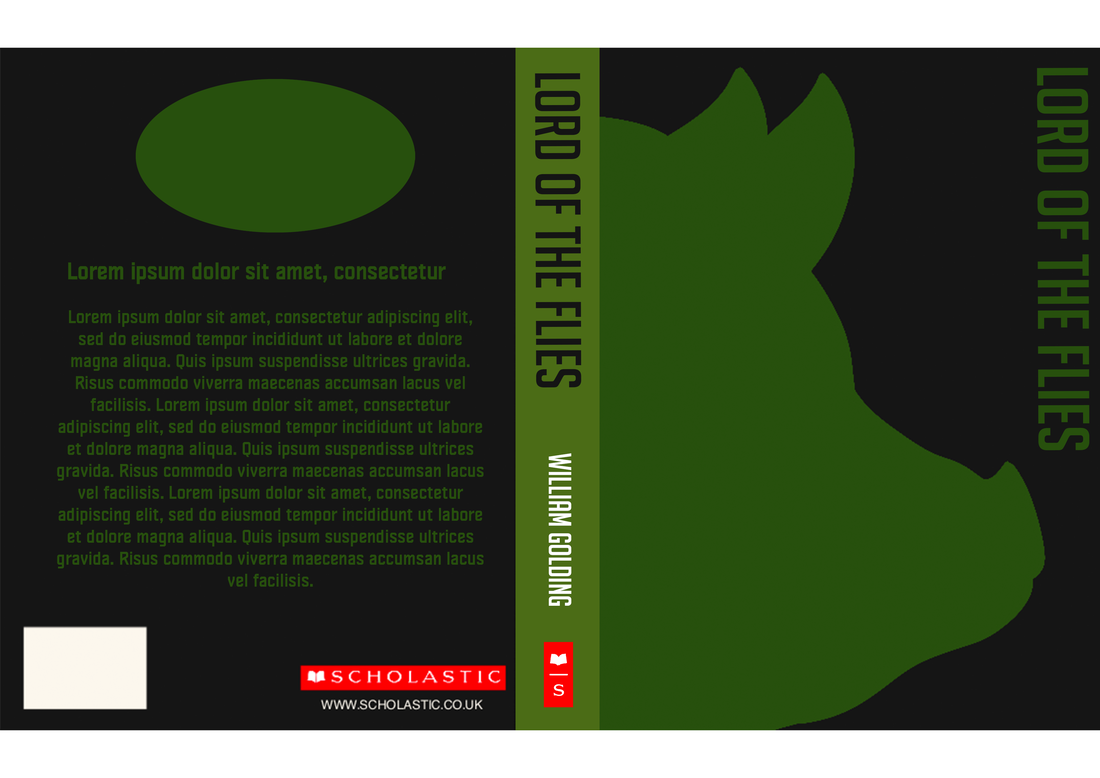
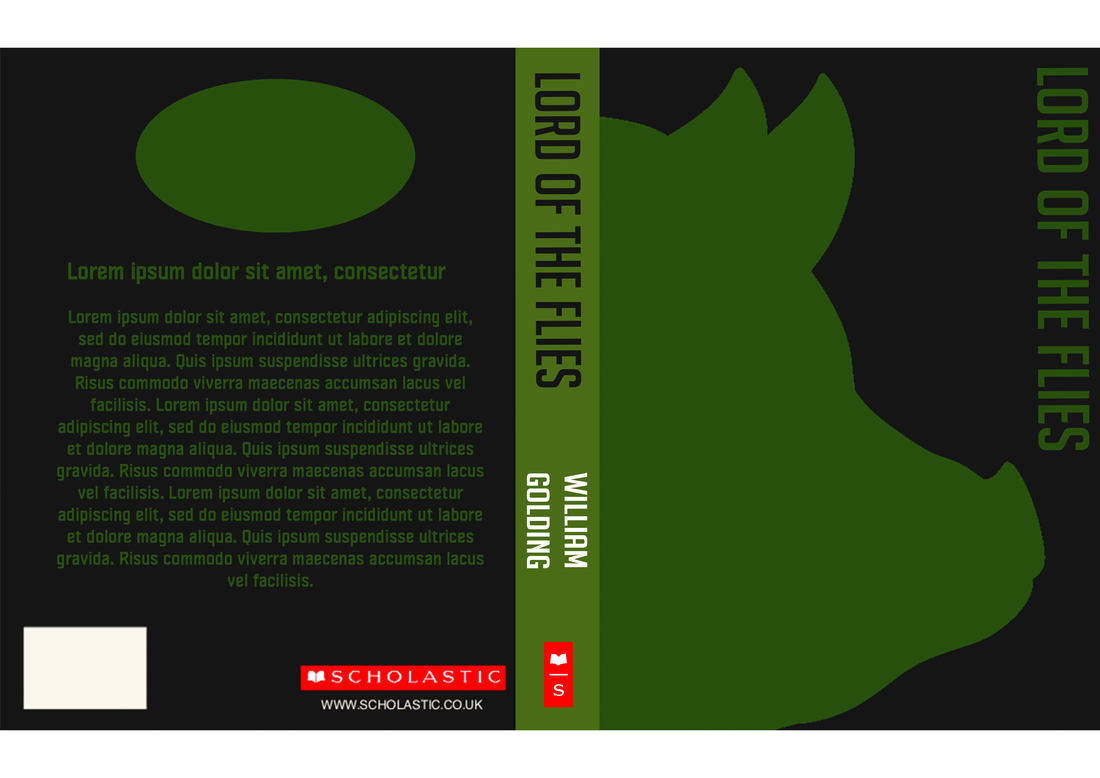
Here are some rough developments of the font choices and placements for the Macbeth book jackets.
Since the font will be a reoccurring theme throughout the book cover series, I need it to be legible and readable within the context of all of the book jackets.
Since the font will be a reoccurring theme throughout the book cover series, I need it to be legible and readable within the context of all of the book jackets.
The positioning of the middle font seems to be the most legible and readable on the cover, so this is the positioning it will most likely take on all of the book covers.
|
|
|
|
|
|
|
|
|
|
|
|
|
|
|
|
|
|
|
|
|
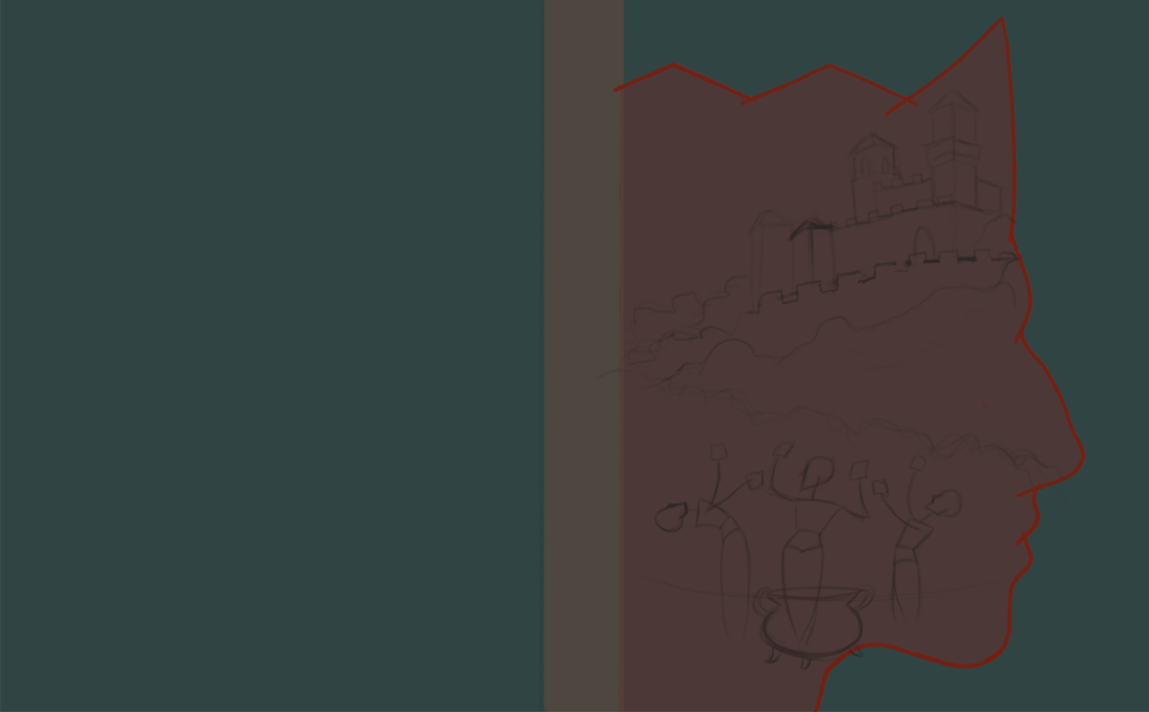
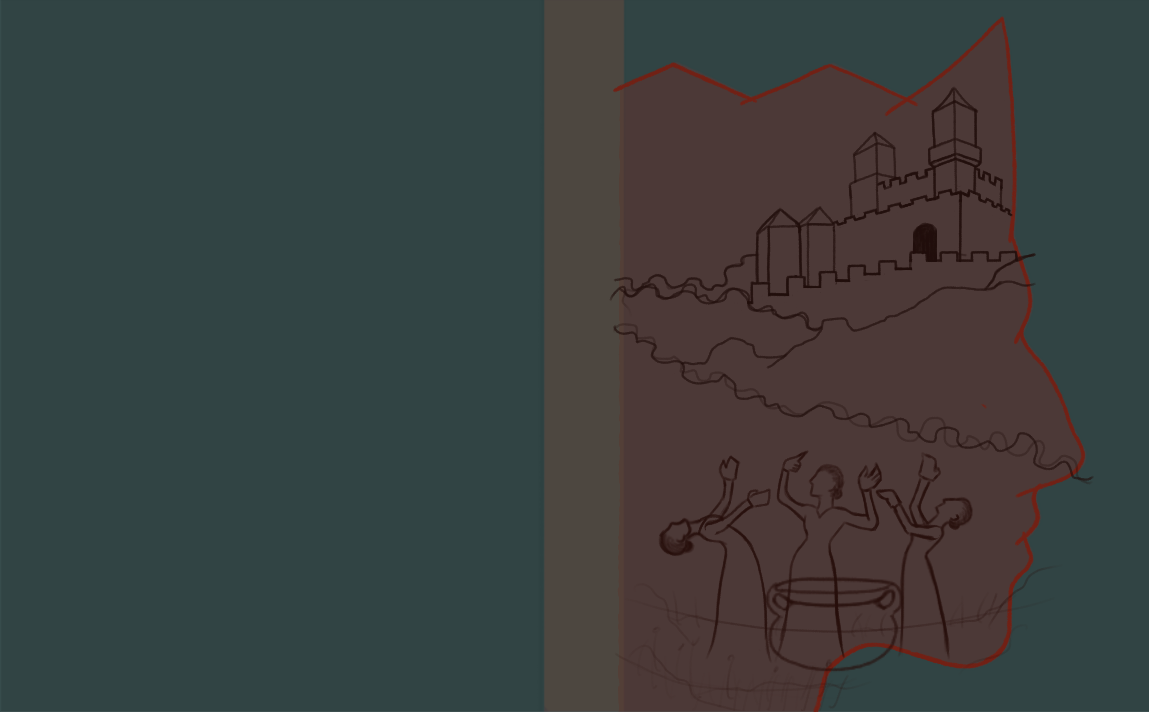
Macbeth Sketches
|
|
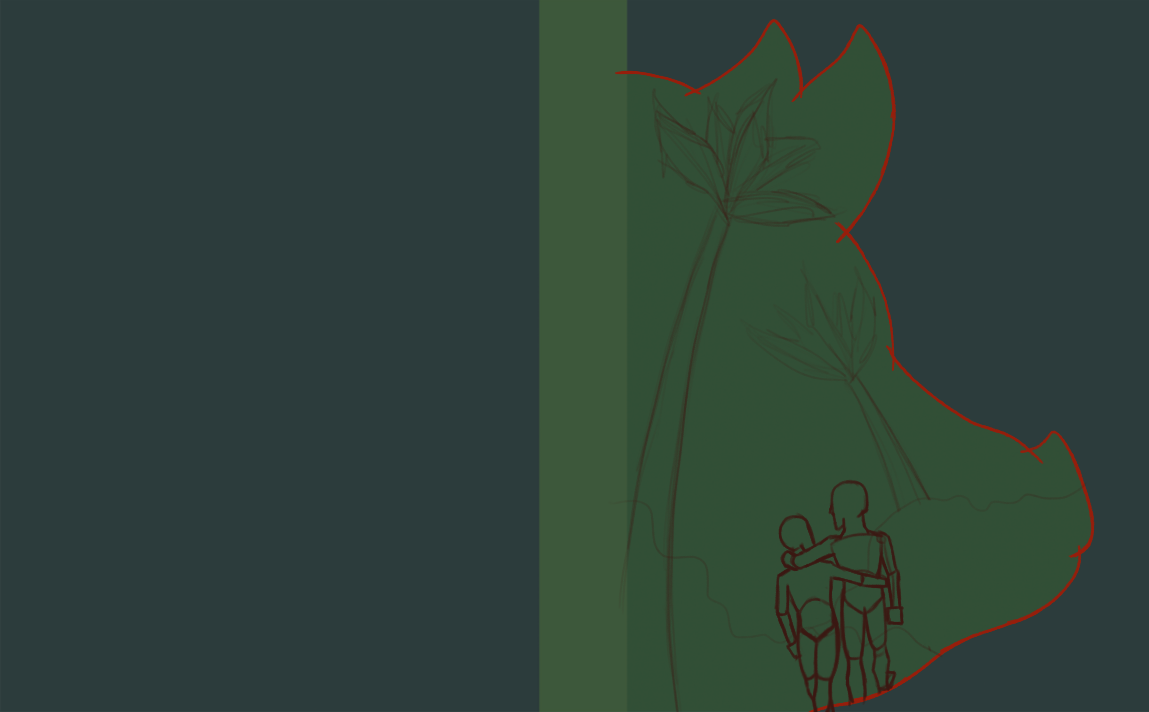
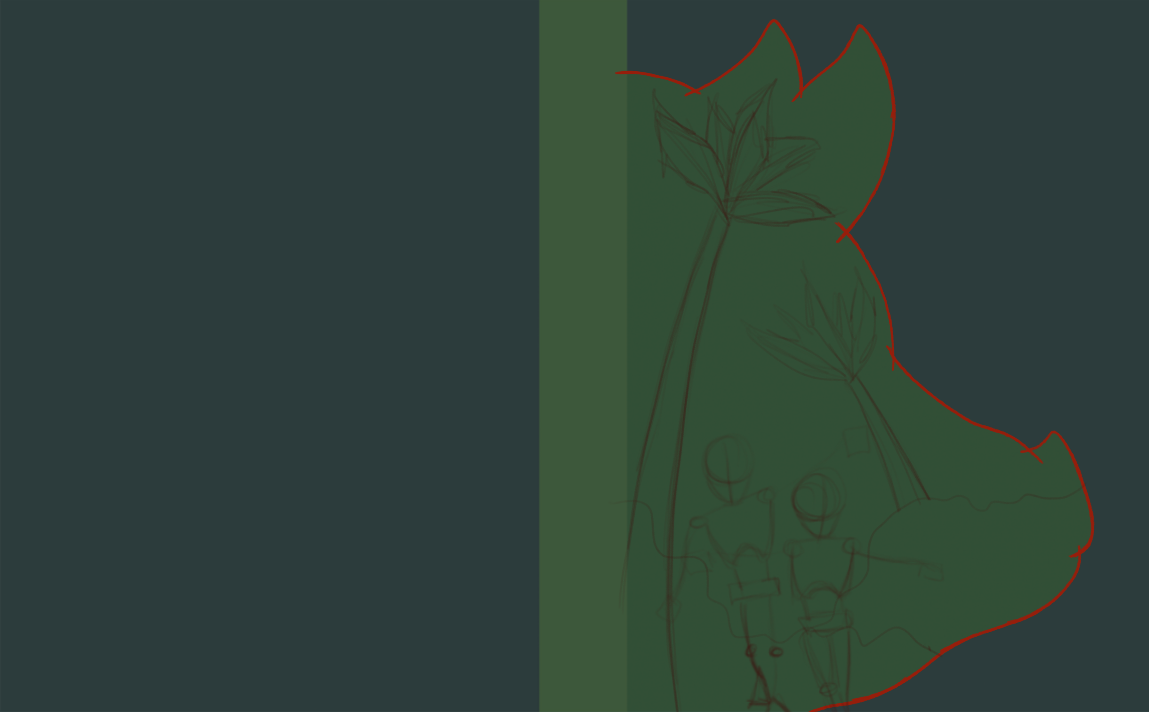
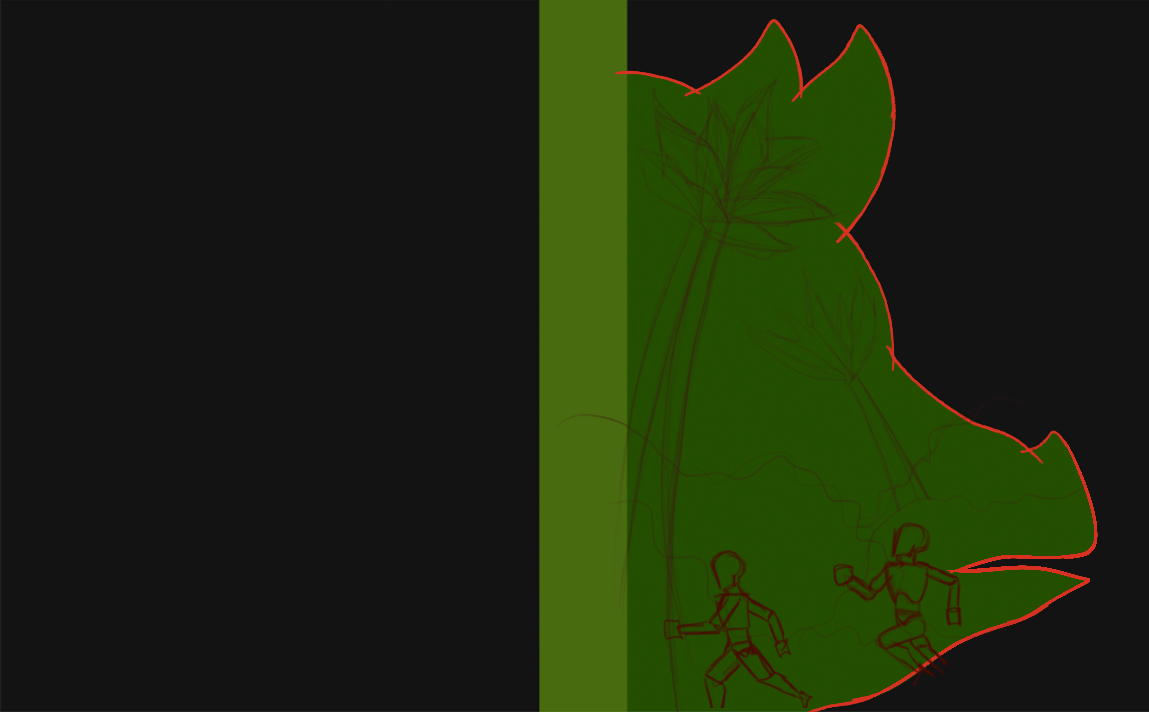
Lord Of The Flies Sketches
|
|
|
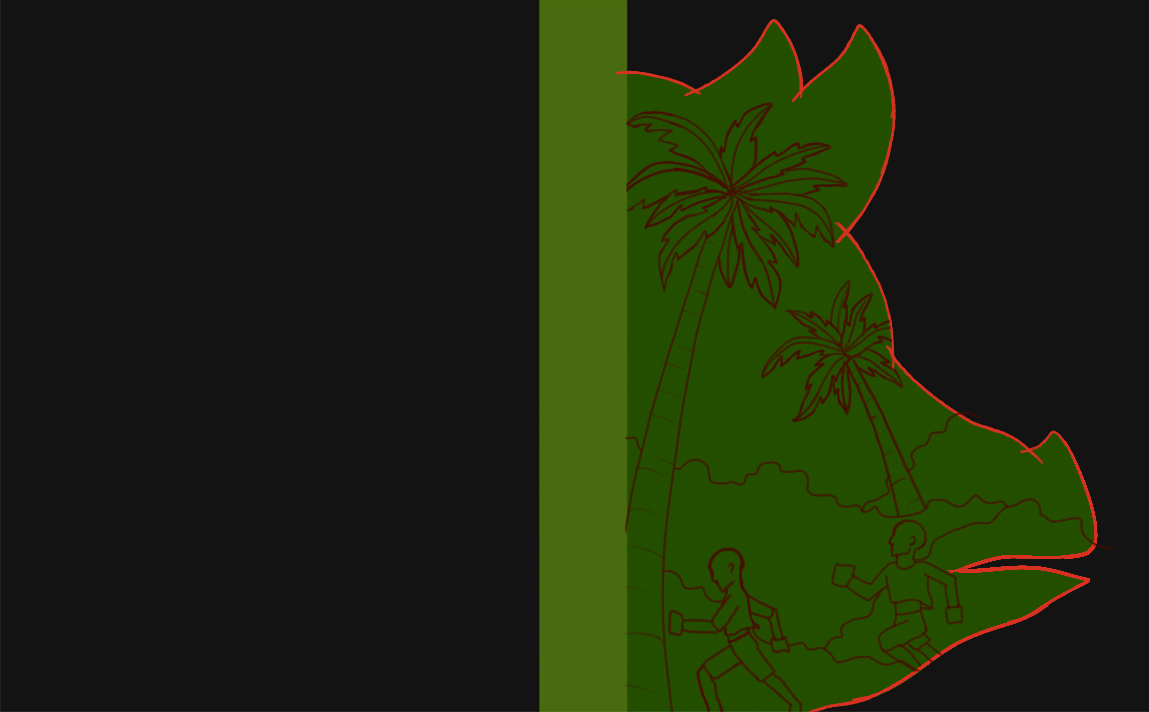
|
Jane Eyre Sketches
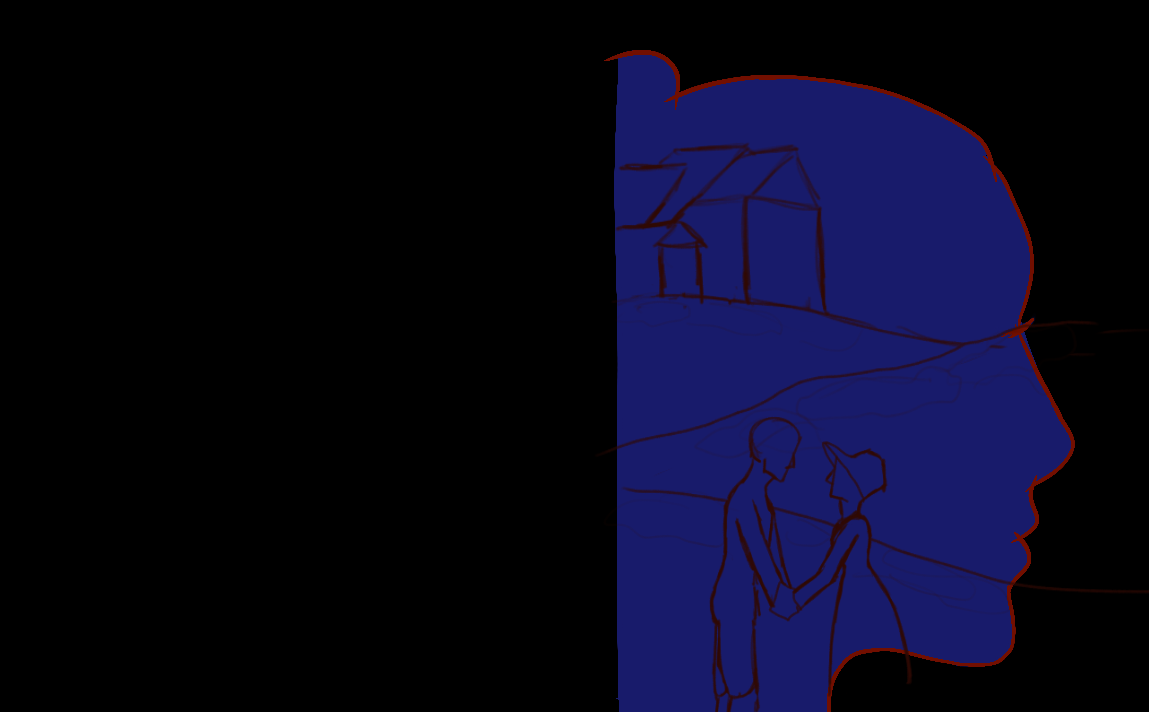
|
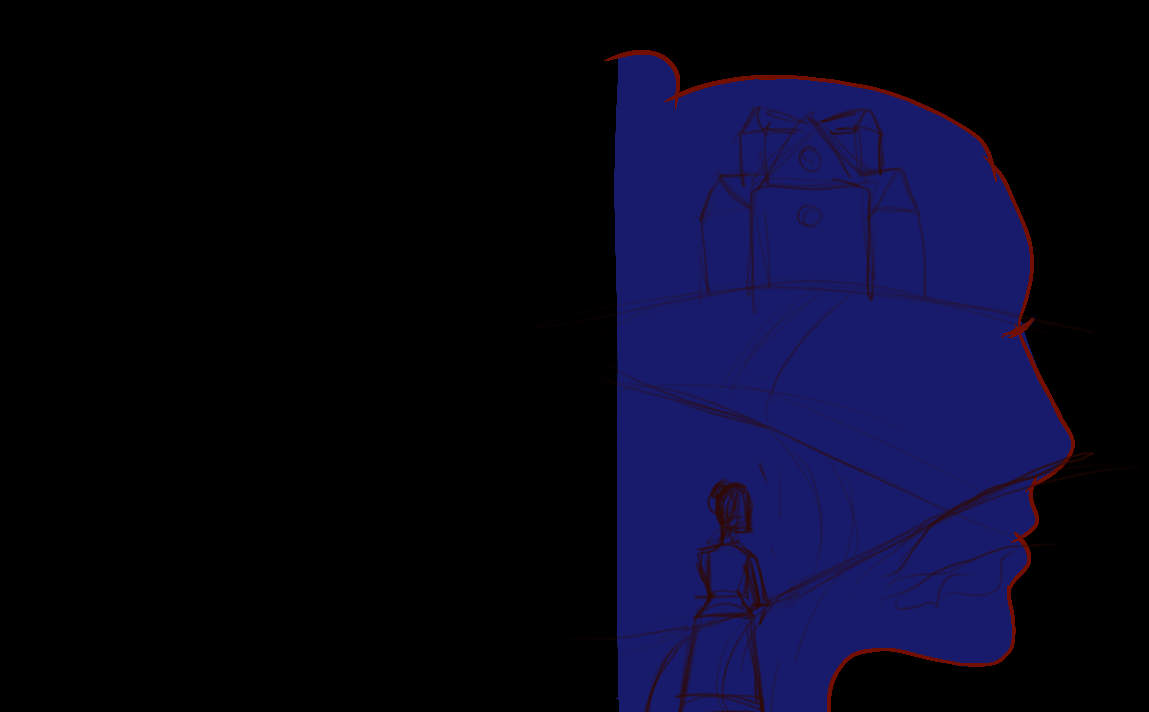
|
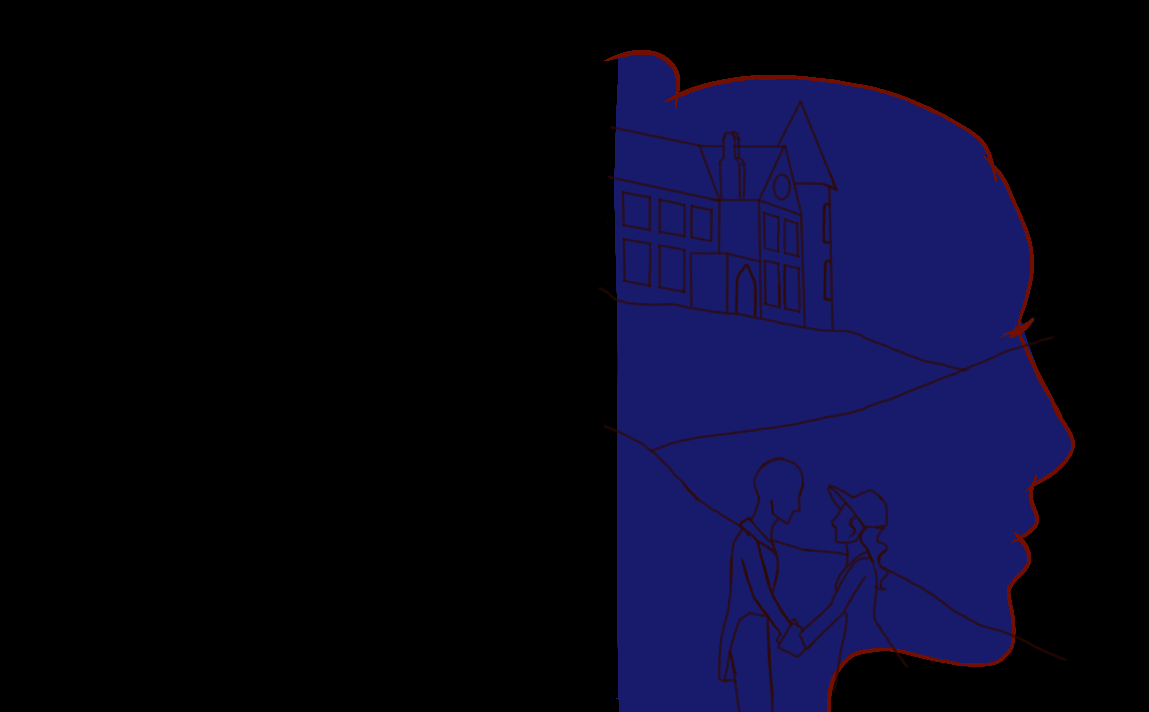
|
Back cover illustrations
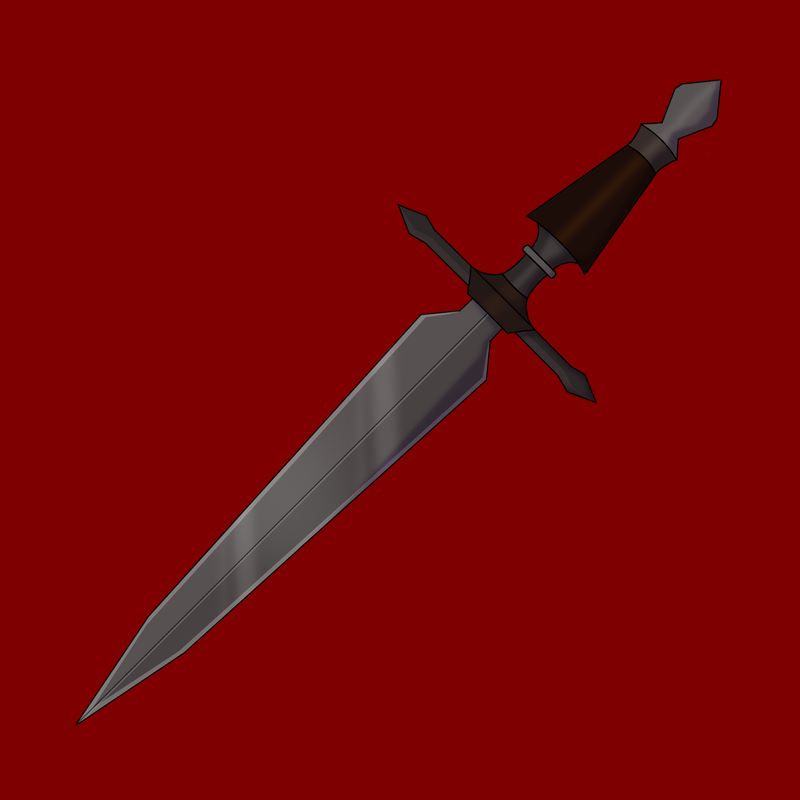
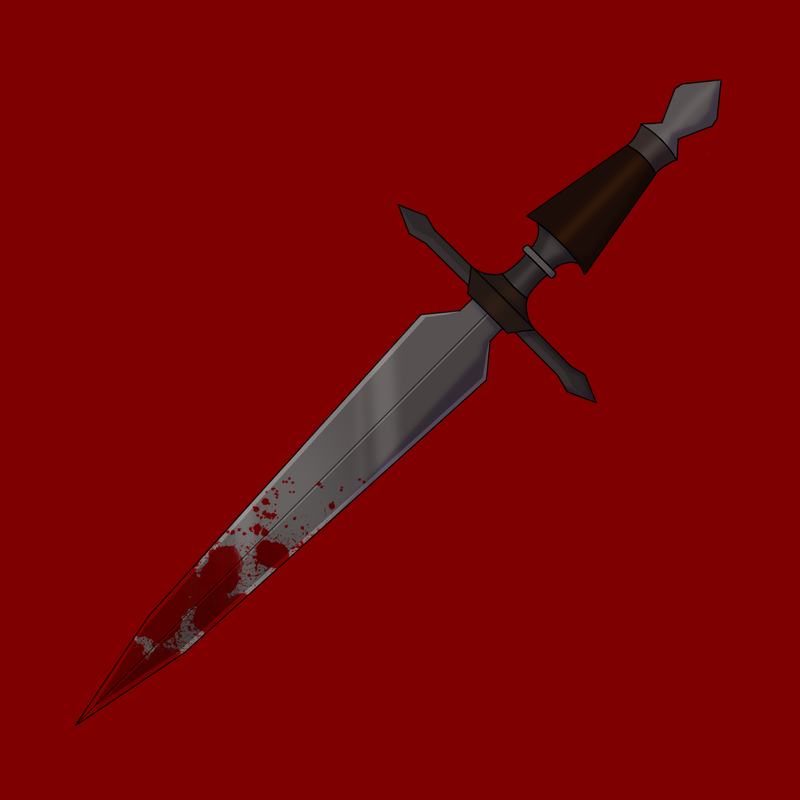
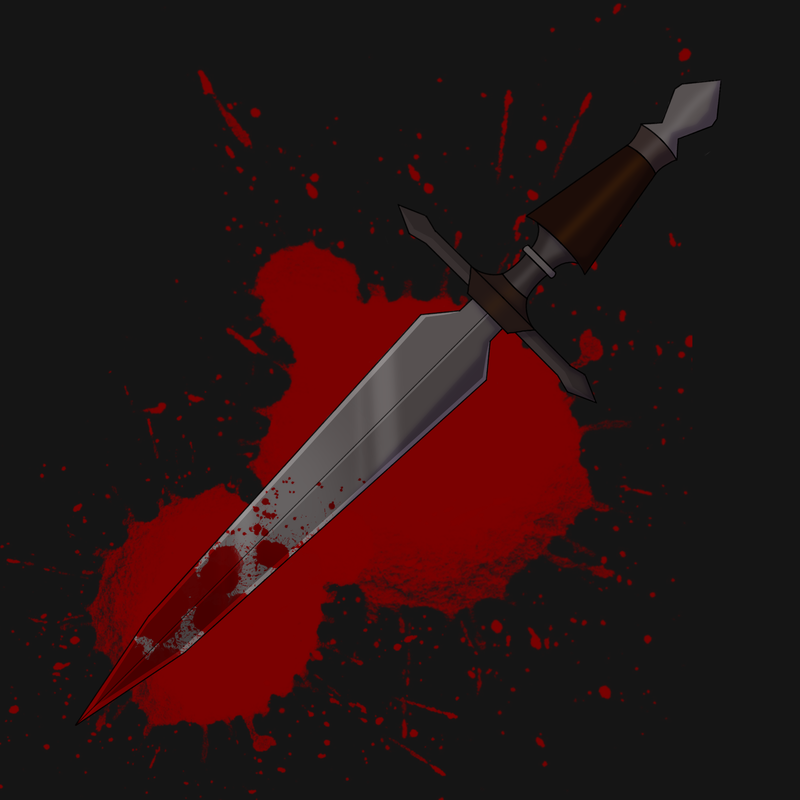
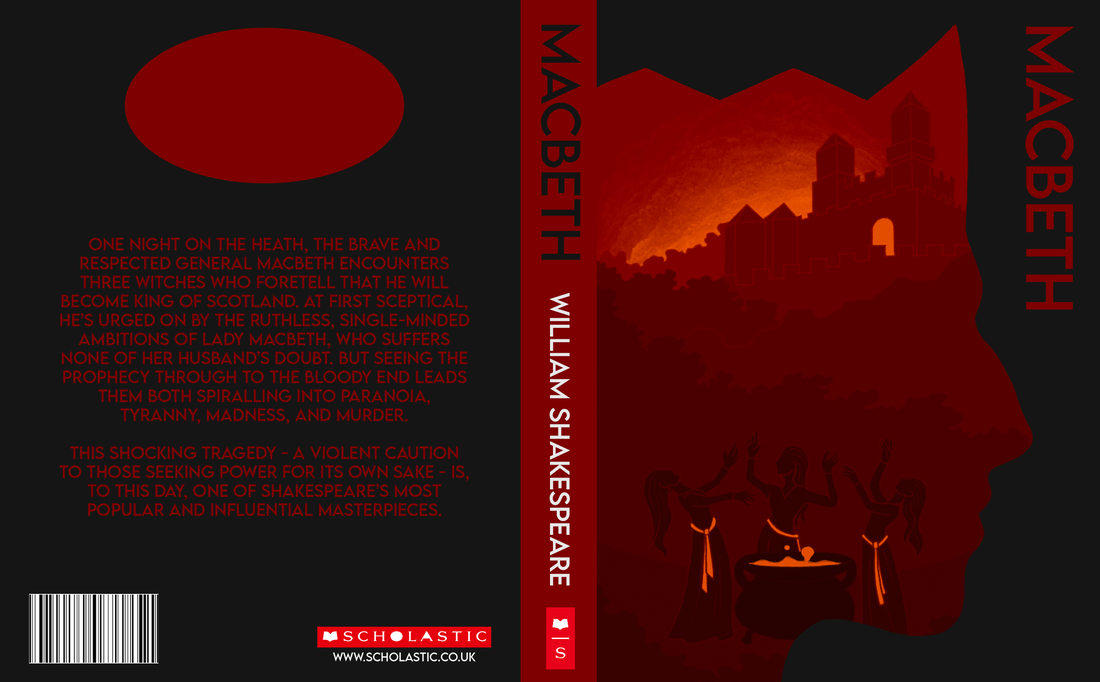
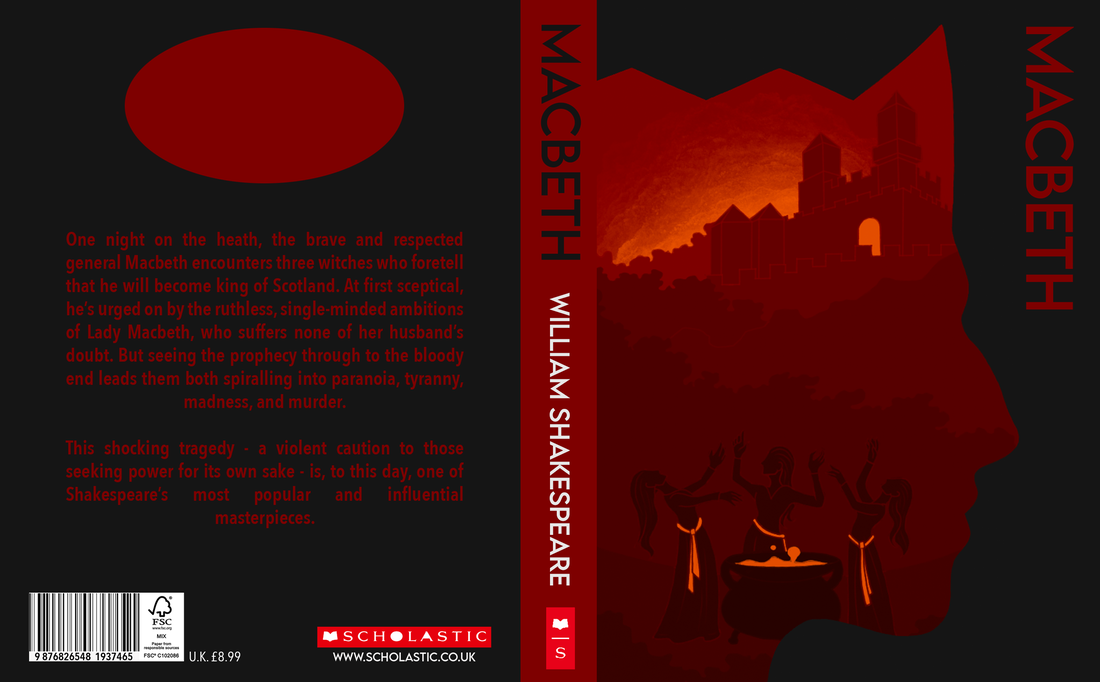
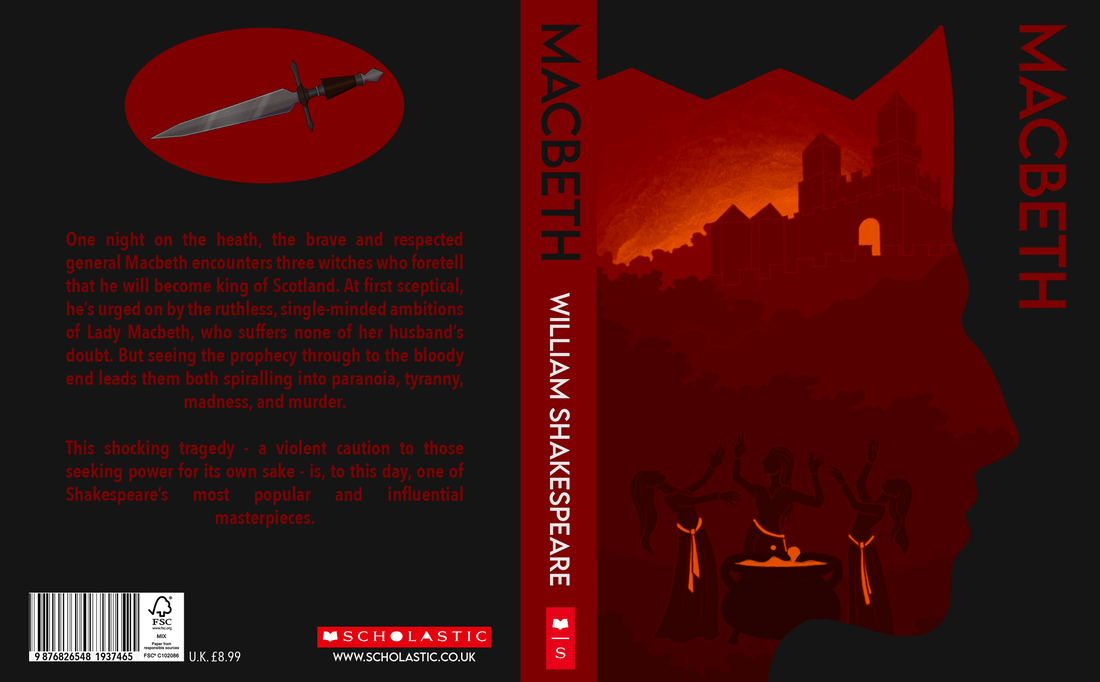
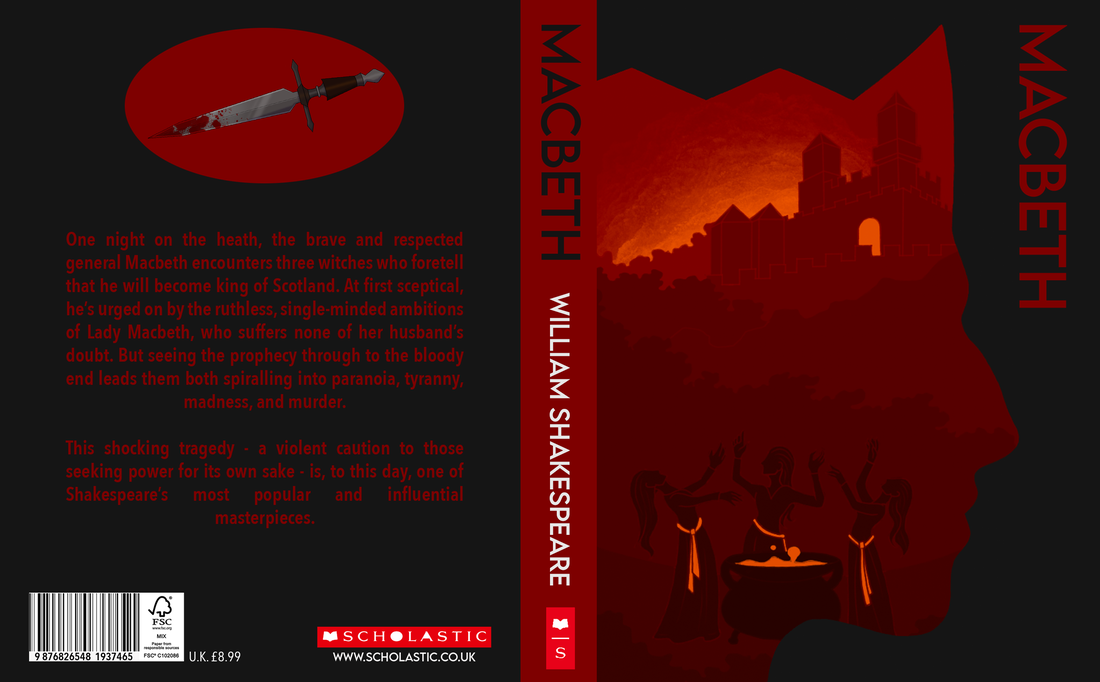
Macbeth - Dagger with blood spatter
|
|
|
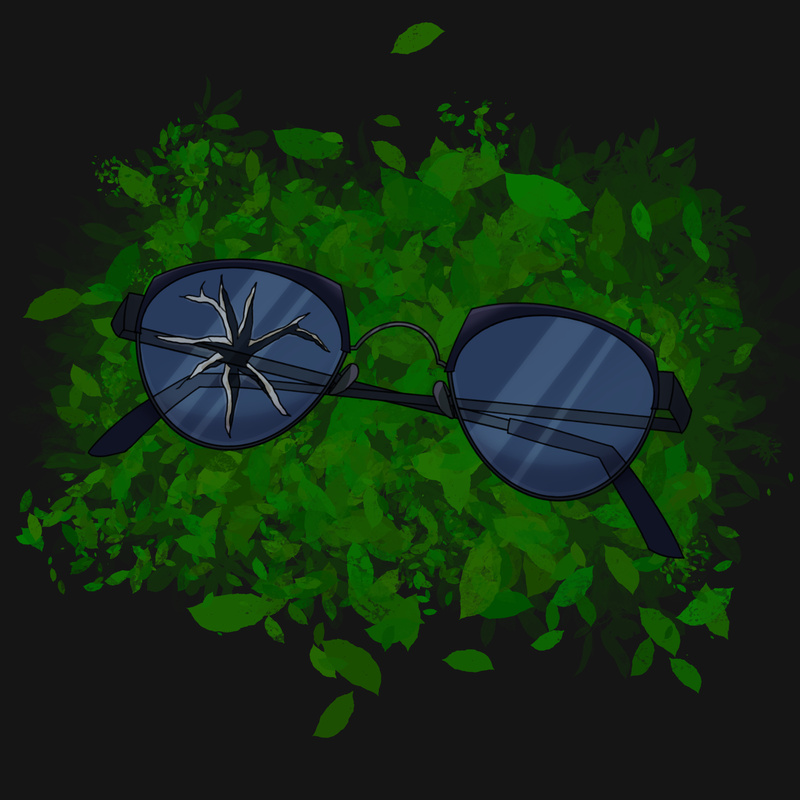
Lord Of The Flies - Glasses with leaves
|
Jane Eyre - Bonnet with pattern

|
Texture for the spine/font

|

|

|
Spot varnish patterns
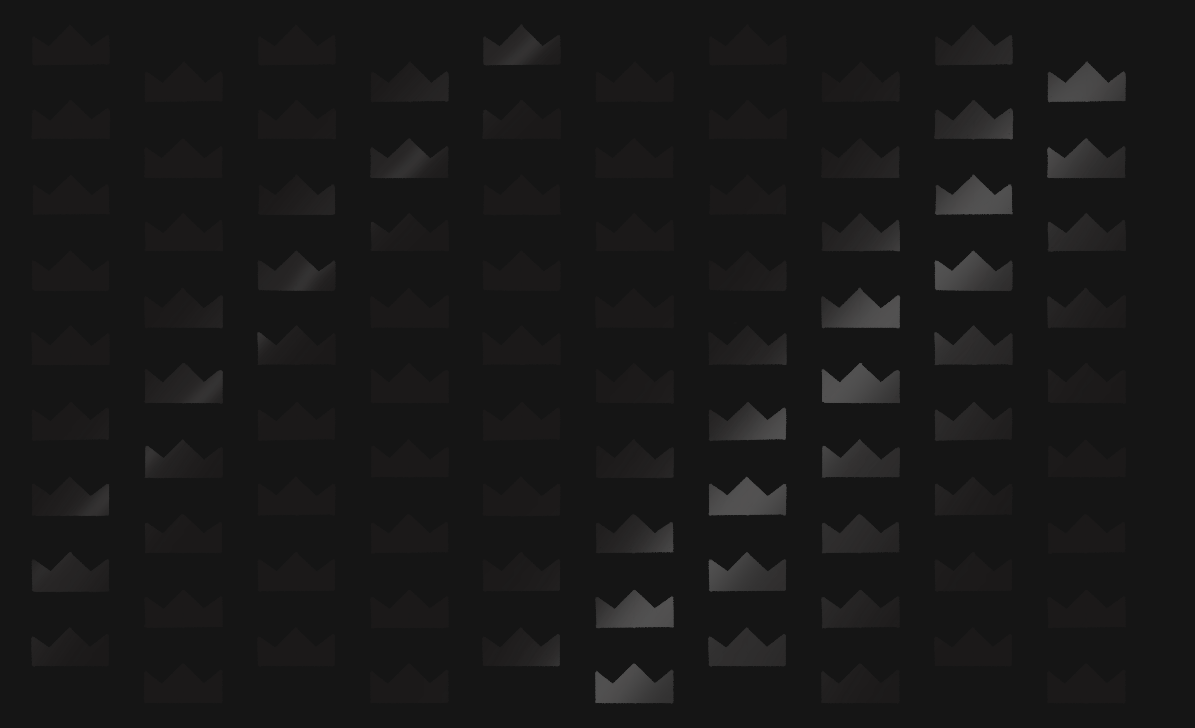
|
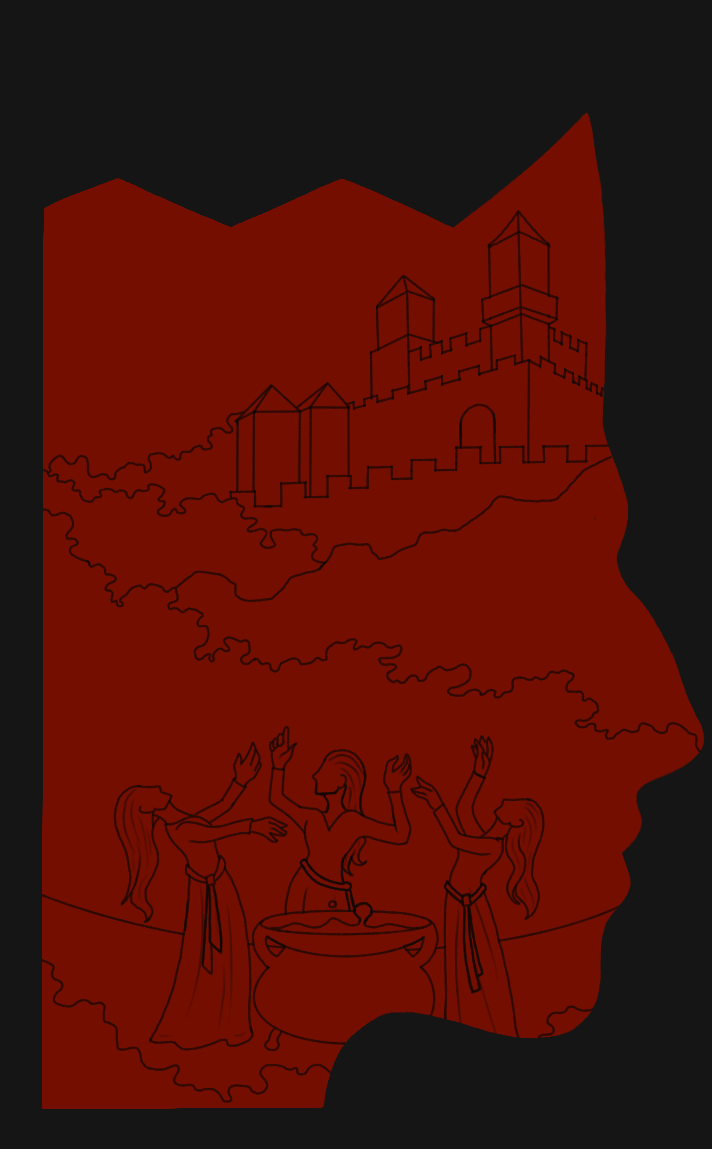
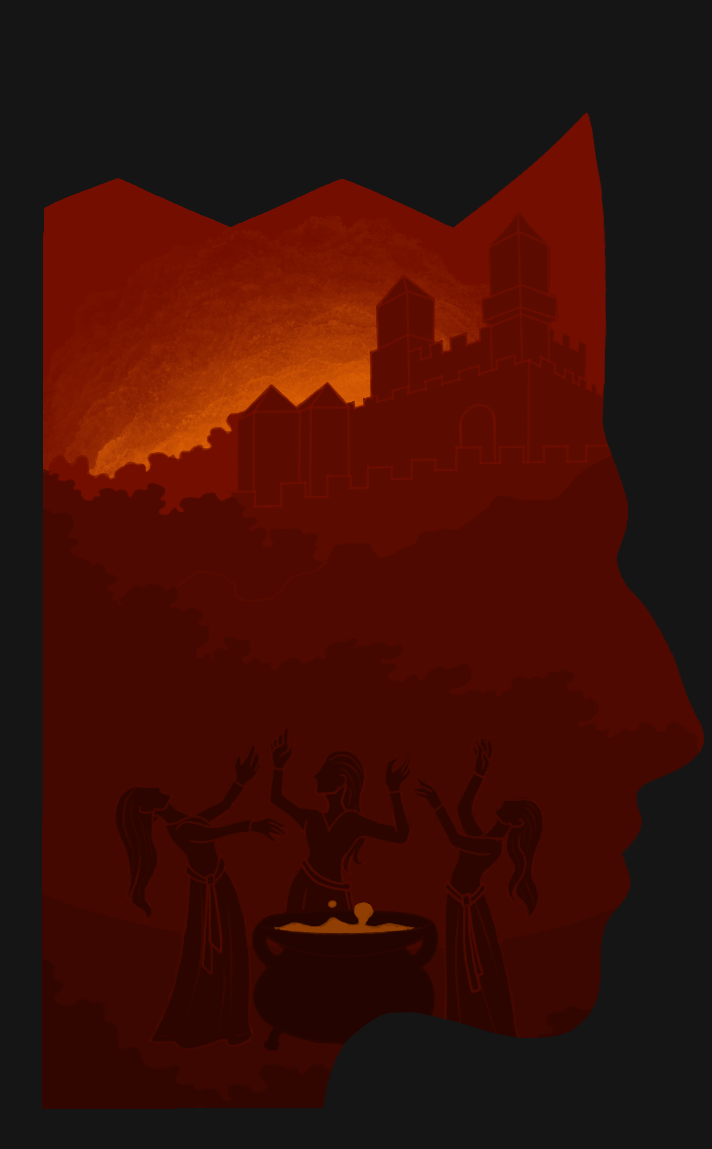
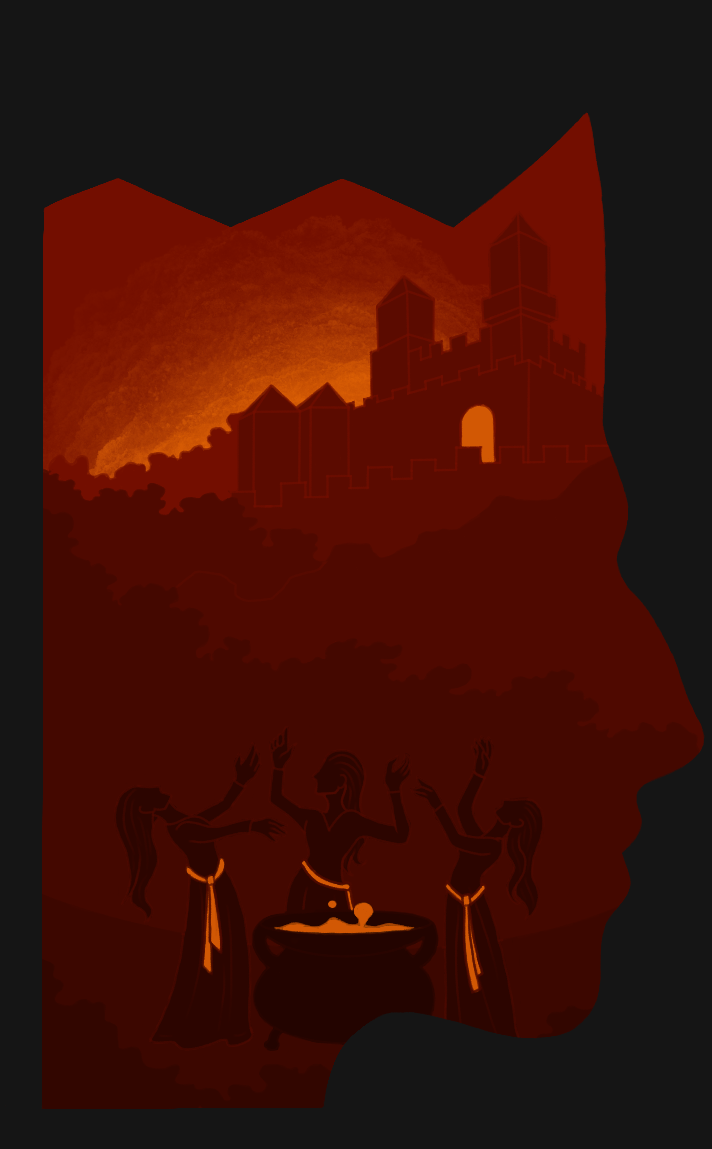
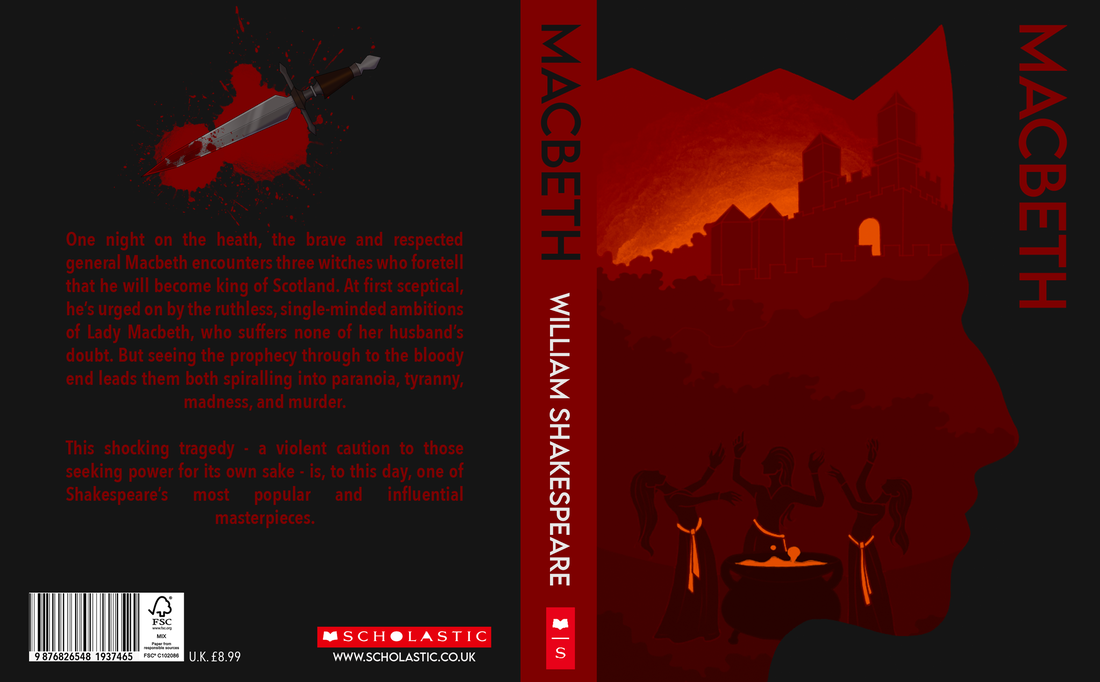
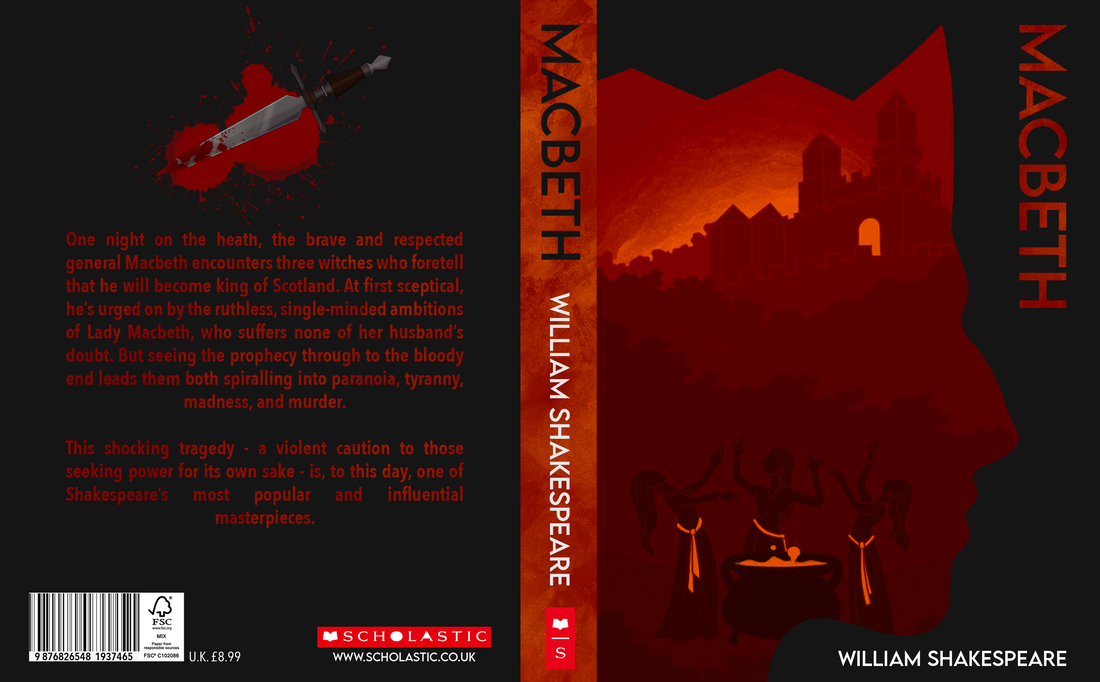
Macbeth
|
|
|
|
|
|
|
|
Final Piece + crown spot varnish
|

|
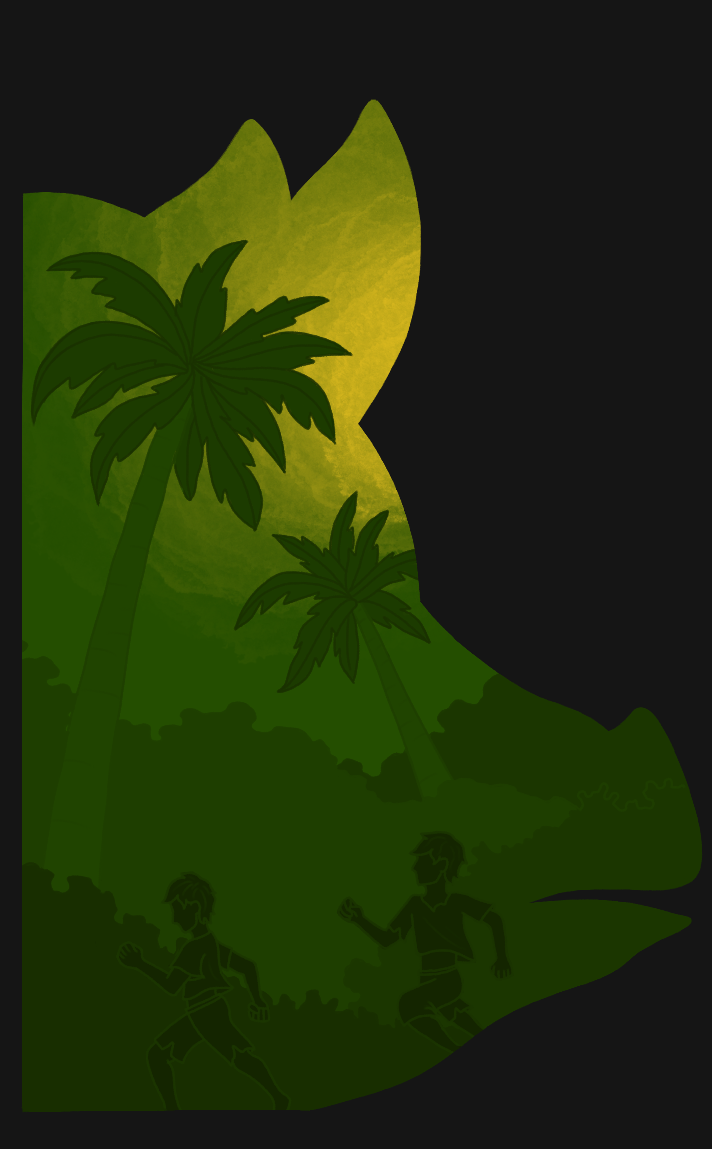
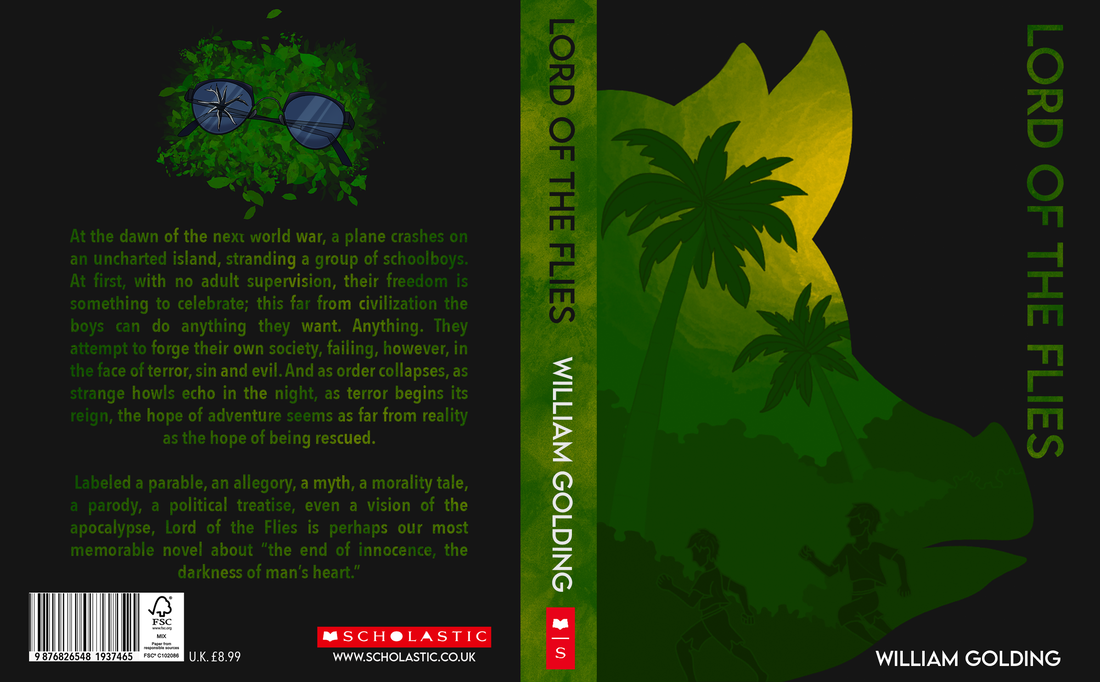
Lord of the Flies
|

|
|
Final Piece + Spot varnish
|
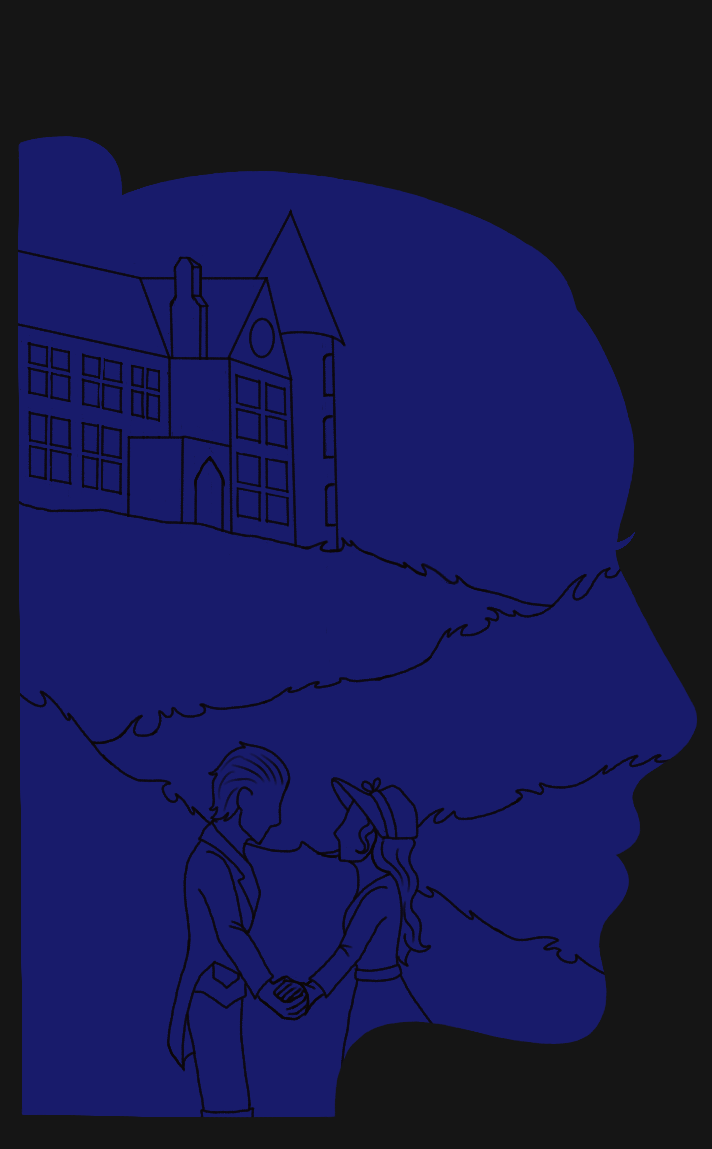
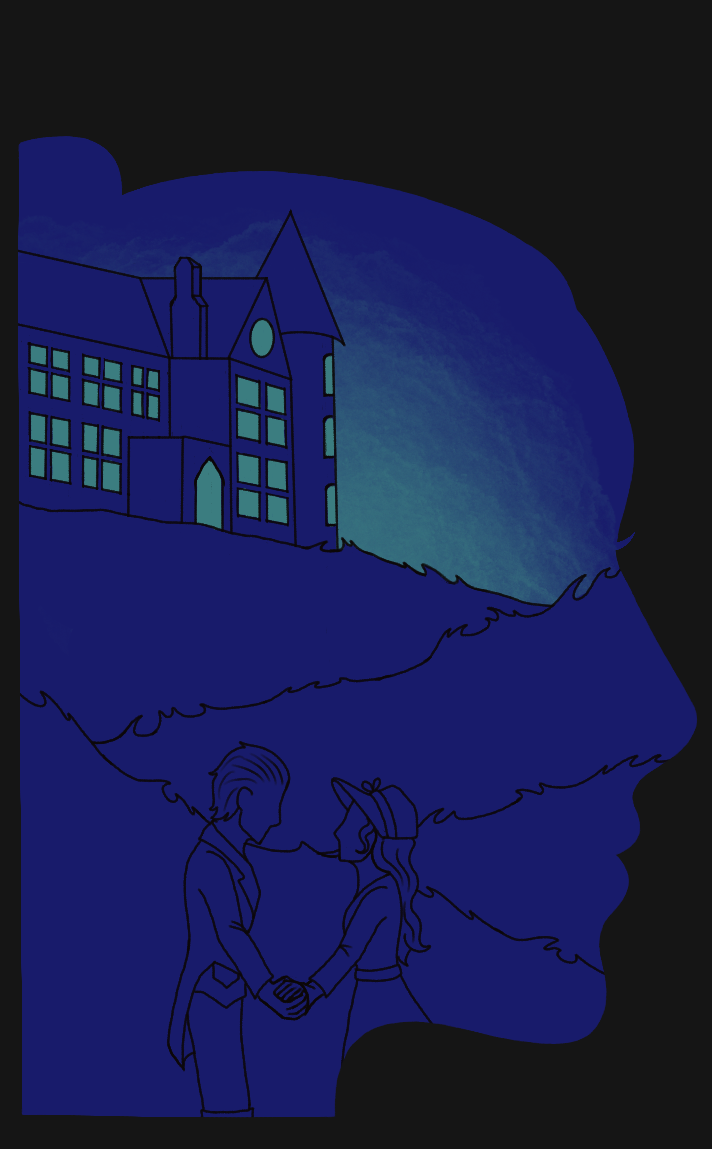
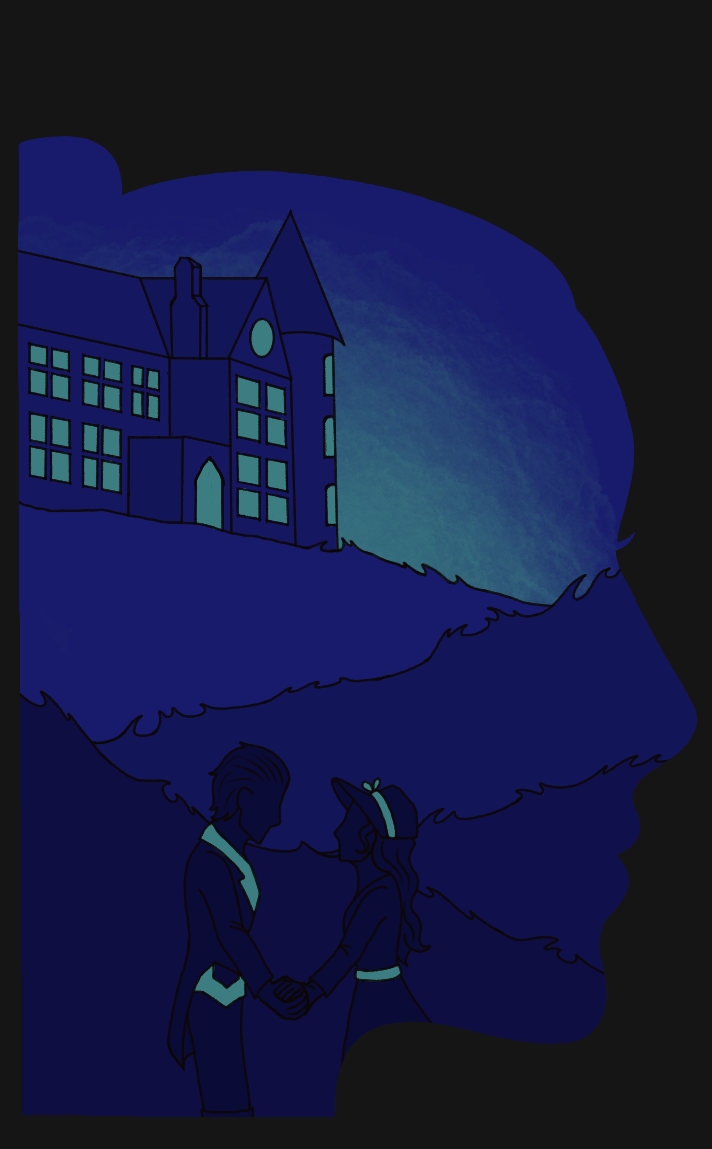
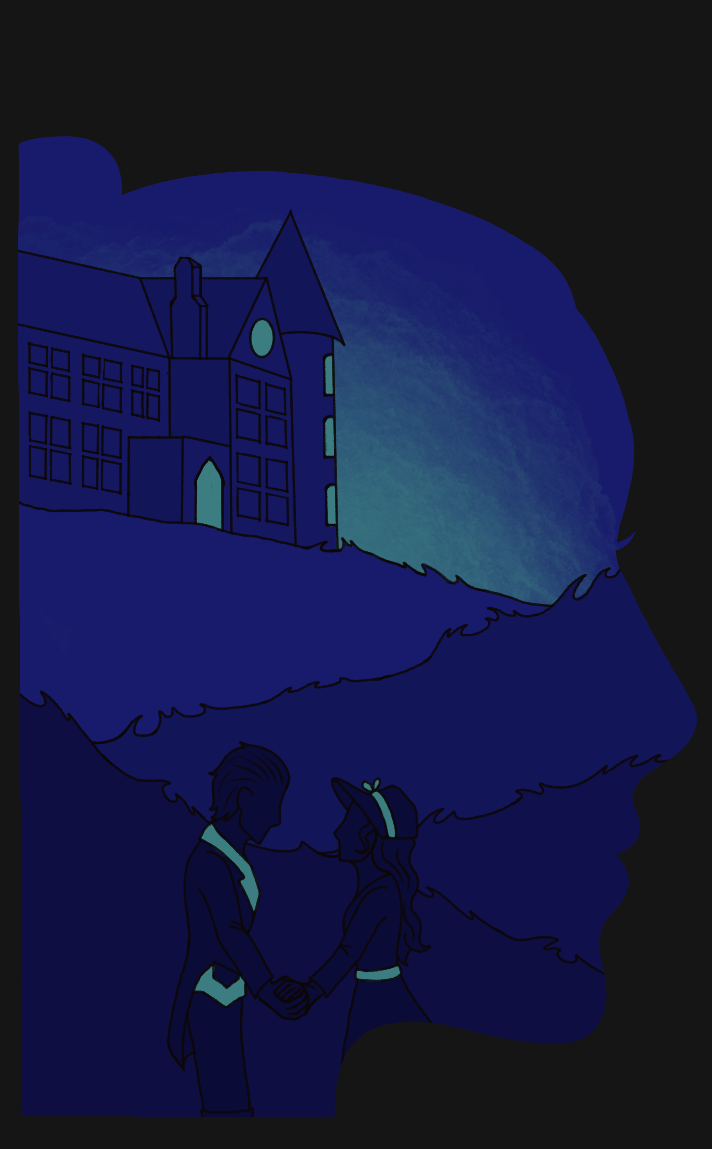
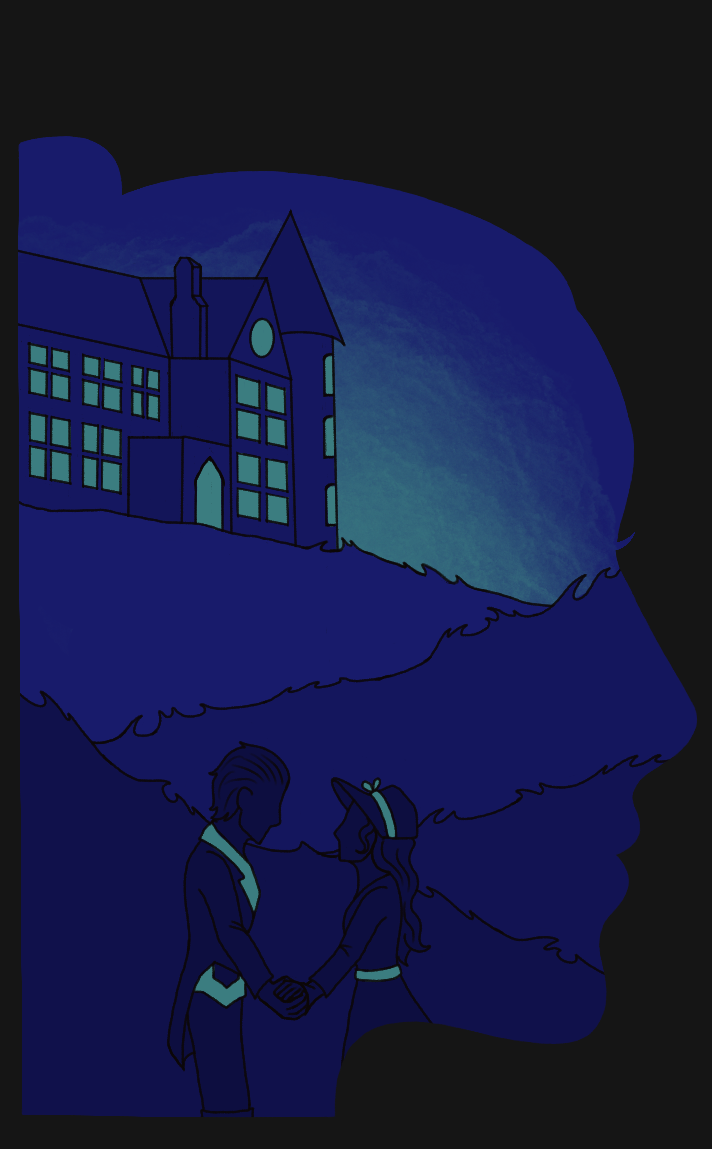
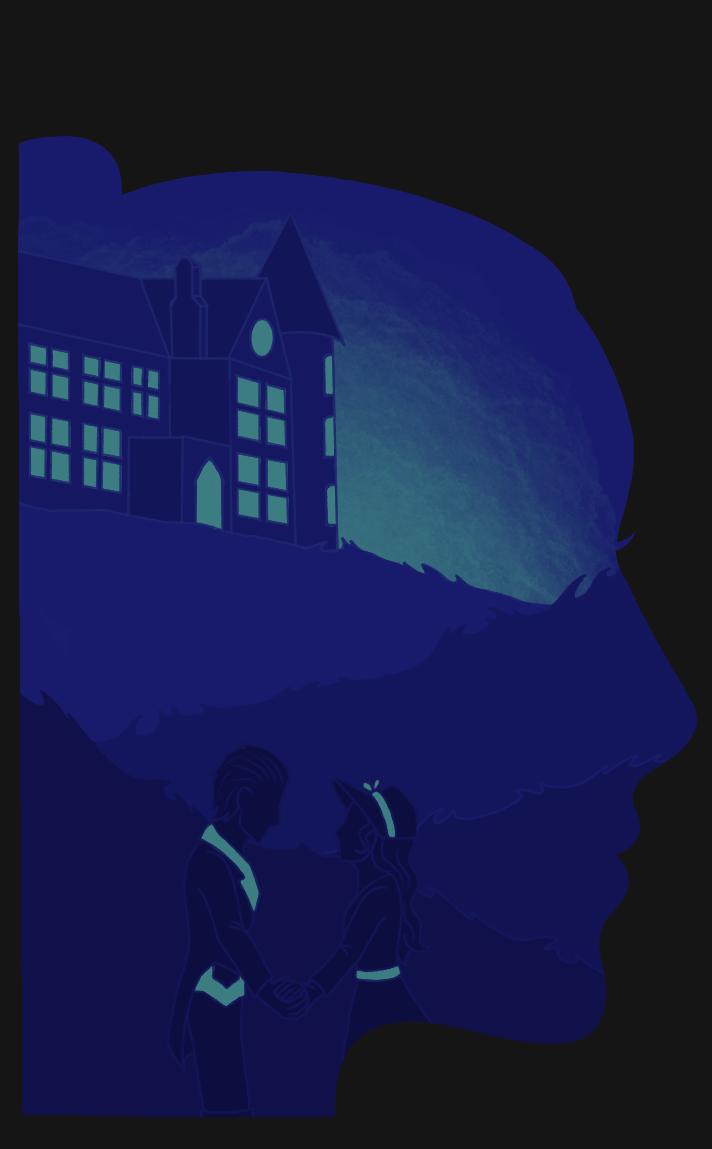
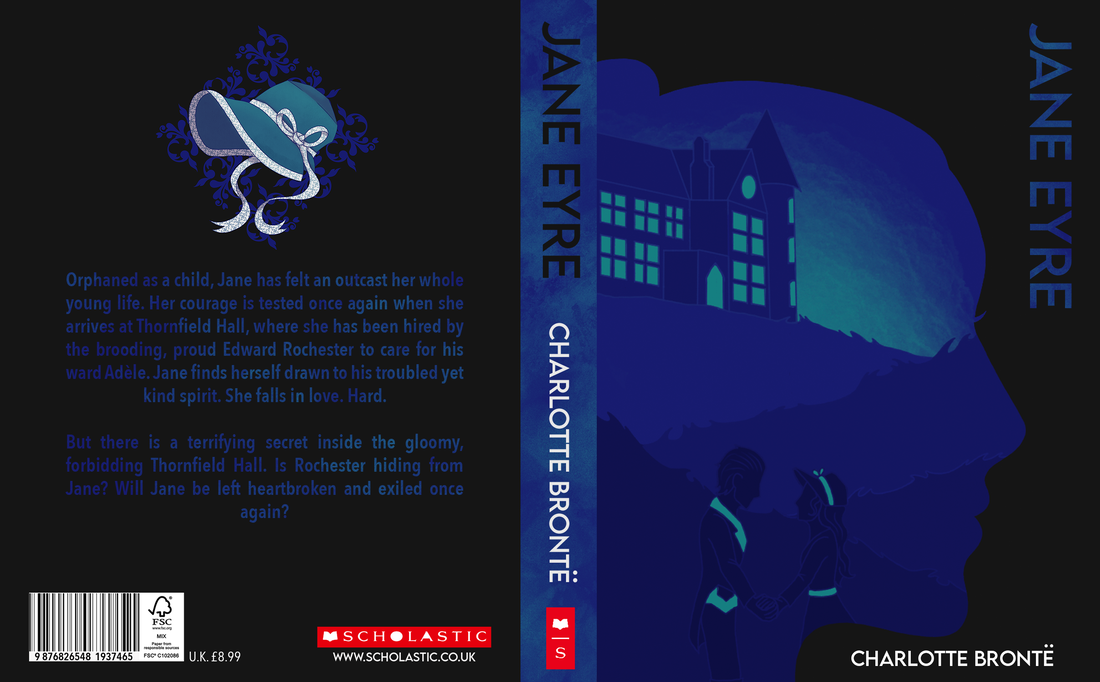
Jane Eyre
|
|
|
|
|
|
Final Piece + Spot varnish
|